

Trying to make sense of your metabolic health can feel complex when traditional checkups only scratch the surface. Health-conscious Americans aiming for better performance often seek more precise answers beyond standard test results. By tapping into biomarker reports that decode molecular, cellular, and physiological markers, you gain an inside look at early risks, nutritional gaps, and unique metabolic patterns often missed in basic screenings. This guide explains how cutting-edge biomarker analysis empowers you to take smarter, more proactive steps toward wellness.
Table of Contents
- What Biomarker Reports Reveal About Health
- Types of Biomarkers Measured in Testing
- How Biomarker Analysis Is Performed
- Interpreting Results: What the Data Means
- Benefits of Biomarker Reports for Health Goals
- Risks, Limitations, and Common Misconceptions
Key Takeaways
| Point | Details |
|---|---|
| Biomarker reports provide deeper health insights | These reports analyze molecular indicators to reveal potential health risks and conditions beyond standard tests. |
| Personalized health strategies | Biomarker analysis enables targeted lifestyle and nutrition plans tailored to individuals’ unique biological profiles. |
| Comprehensive interpretation is critical | Proper analysis of biomarker results requires a holistic view, considering multiple factors and clinical context. |
| Awareness of limitations is essential | Individuals must understand the risks and potential misconceptions associated with biomarker testing for informed decisions. |
What Biomarker Reports Reveal About Health
Biomarker reports represent sophisticated diagnostic tools that offer unprecedented insights into an individual’s internal health landscape. By systematically analyzing molecular indicators, these comprehensive assessments decode complex biological signals that traditional medical screenings might overlook.
These advanced diagnostic reports provide multidimensional perspectives on health by measuring specific molecular, cellular, and physiological markers. Unlike standard blood tests, biomarker reports can reveal nuanced information about immune function, metabolic processes, potential disease risks, and early warning signs of developing health conditions. For instance, researchers have discovered that certain protein configurations can indicate early stages of chronic conditions long before symptomatic manifestations occur.
The power of biomarker reports lies in their ability to transform abstract biological data into actionable health intelligence. By analyzing measurable biological molecules, these reports enable proactive health management strategies. They can highlight nutritional deficiencies, hormonal imbalances, inflammatory markers, and metabolic inefficiencies that might compromise overall wellness. This granular understanding empowers individuals to make targeted lifestyle interventions before minor physiological deviations potentially evolve into more significant health challenges.
Pro tip: Work with healthcare professionals who can help you interpret biomarker results comprehensively and develop personalized optimization strategies based on your unique molecular profile.
Types of Biomarkers Measured in Testing
Biomarkers represent a sophisticated spectrum of molecular indicators that provide comprehensive insights into human health. Regulatory bodies classify biomarkers into seven distinct categories, each serving a unique purpose in medical diagnostics and personalized healthcare management.
These seven primary biomarker types include susceptibility biomarkers, which predict an individual’s likelihood of developing specific health conditions; diagnostic biomarkers, which confirm the presence of a disease; prognostic biomarkers, which forecast potential disease outcomes; and monitoring biomarkers, which track disease progression over time. Additionally, predictive biomarkers help determine potential treatment responses, while pharmacodynamic biomarkers demonstrate how a specific drug affects the body, and safety biomarkers assess potential adverse reactions to medical interventions.
Comprehensive biomarker testing involves measuring an extensive range of biological characteristics, including proteins, genes, metabolites, and physiological traits. These measurements provide a multidimensional view of an individual’s health status, enabling healthcare professionals to develop targeted, personalized strategies for prevention, diagnosis, and treatment. By analyzing these intricate molecular signals, researchers and clinicians can gain unprecedented insights into complex biological processes, identifying potential health risks and opportunities for intervention long before traditional diagnostic methods would detect them.
Pro tip: Request a comprehensive interpretation of your biomarker results from a healthcare professional who can translate complex molecular data into actionable lifestyle and health optimization recommendations.
How Biomarker Analysis Is Performed
Biomarker analysis represents a sophisticated scientific process that transforms complex biological data into actionable health insights. Systematic evidence review and expert consensus form the foundational framework for identifying and validating molecular indicators that provide meaningful health information.

The analytical process typically involves multiple sophisticated stages. Discovery phase begins with advanced omics technologies that screen vast molecular landscapes, followed by rigorous candidate selection through test cohorts. Researchers then employ advanced statistical methods and machine learning to identify statistically significant molecular patterns. These techniques help distinguish meaningful biomarkers from background biological noise, ensuring that only the most reliable and informative molecular signals are considered.
Validation represents the critical phase of biomarker analysis, involving independent cross-cohort studies to confirm reproducibility and clinical relevance. Scientists meticulously evaluate four primary dimensions: analytical validity (measurement accuracy), clinical validity (predictive power), scientific rationale, and potential clinical utility. This comprehensive approach ensures that selected biomarkers meet rigorous scientific standards and can provide genuine insights into health conditions, disease risks, and potential treatment responses. The ultimate goal is transforming complex molecular data into clear, actionable health recommendations that can guide personalized medical strategies.
Pro tip: Request a detailed breakdown of your biomarker analysis methodology to understand the specific techniques and technologies used in your individual health assessment.
Interpreting Results: What the Data Means
Biomarker test results are complex molecular snapshots that require nuanced interpretation beyond simple numerical readings. Proper statistical analysis and contextual understanding are critical for transforming raw data into meaningful health insights that can guide personal wellness strategies.
Interpreting biomarker reports involves multiple critical considerations. Reference ranges provide baseline comparisons, but individual results must be evaluated holistically, considering factors like age, lifestyle, genetic background, and overall health status. Clinicians assess biomarker data by examining not just individual marker levels, but their interrelationships and potential implications. Some biomarkers might indicate subtle physiological changes that precede detectable disease symptoms, making comprehensive interpretation crucial for proactive health management.
Key interpretation strategies include understanding statistical significance, recognizing potential variants of uncertain significance, and contextualizing results within broader health parameters. Advanced biomarker analysis goes beyond simply identifying whether a value is high or low, instead providing insights into underlying metabolic processes, potential health risks, and personalized intervention opportunities. Sophisticated interpretation requires considering multiple data points, longitudinal trends, and the complex interactions between different biological systems that these molecular indicators represent.
Pro tip: Request a comprehensive consultation with a healthcare professional who can walk you through each aspect of your biomarker report, explaining the nuanced meanings behind your specific results.
Benefits of Biomarker Reports for Health Goals
Biomarker reports represent a revolutionary approach to personalized health management, offering unprecedented insights that transform how individuals understand and optimize their wellness journey. Targeted health optimization strategies enable proactive interventions that go far beyond traditional medical assessments.
These sophisticated reports deliver multiple strategic benefits across different health domains. Early disease detection becomes possible by identifying molecular signals that precede clinical symptoms, allowing individuals to implement preventative measures before conditions become more serious. Biomarker analysis enables precise risk stratification, helping individuals understand their genetic predispositions and metabolic tendencies with unprecedented accuracy. This granular perspective empowers people to design personalized nutrition plans, fitness strategies, and lifestyle modifications tailored to their unique biological profile.
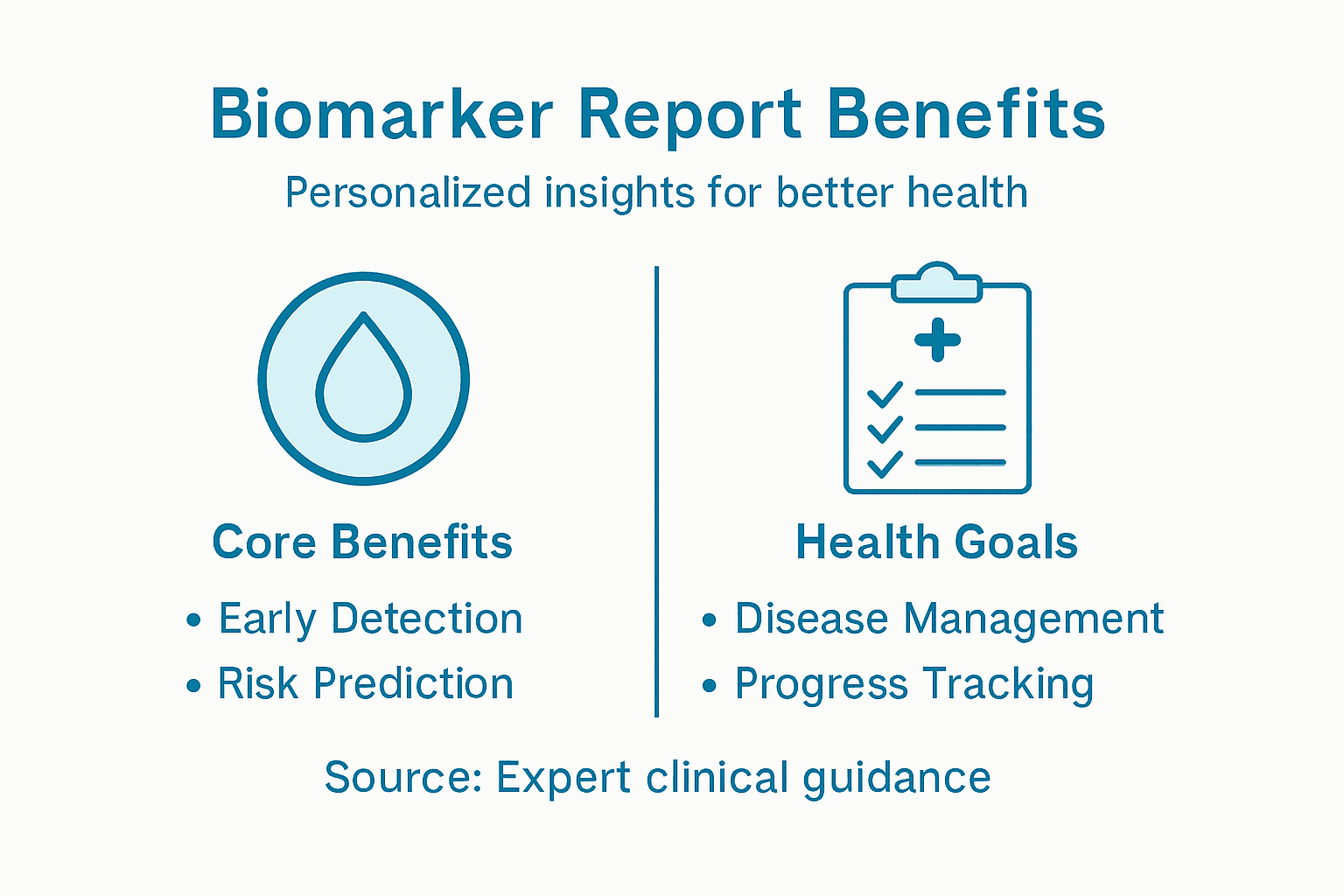
Beyond individual health management, biomarker reports contribute to broader medical understanding by generating comprehensive data that can inform research, treatment protocols, and public health strategies. They provide a nuanced view of an individual’s physiological functioning, revealing complex interactions between different biological systems. By tracking molecular indicators over time, these reports can demonstrate the effectiveness of interventions, monitor metabolic changes, and help individuals make data-driven decisions about their health optimization efforts.
Here is a summary of the main benefits biomarker reports provide for proactive health management:
| Benefit | Real-World Impact | Who Gains Most |
|---|---|---|
| Early risk detection | Enables preventive interventions | All adults |
| Personal wellness tracking | Monitors effect of lifestyle changes | Health-conscious individuals |
| Targeted nutrition planning | Customizes diet for individual needs | Those with health goals |
| Disease progression insight | Helps manage chronic conditions | Patients under treatment |
Pro tip: Request a detailed baseline biomarker report and plan follow-up tests every 6-12 months to track your progress and understand how lifestyle changes impact your internal biological markers.
Risks, Limitations, and Common Misconceptions
Biomarker testing, while revolutionary, is not a perfect science and requires nuanced understanding. Analytical challenges and potential misinterpretations are critical considerations for individuals seeking comprehensive health insights.
Several significant risks and limitations emerge in biomarker analysis. Measurement variability represents a primary concern, as biological indicators can fluctuate based on numerous factors including time of day, recent diet, stress levels, and individual physiological differences. Biomarker reports face challenges related to sensitivity, specificity, and reproducibility. Common misconceptions include assuming that a single biomarker can definitively predict complex health conditions or that correlation between a molecular indicator and a health outcome automatically implies causation. These oversimplifications can lead to unnecessary anxiety or misguided health interventions.
Ethical considerations also play a crucial role in biomarker testing. Data privacy, potential genetic discrimination, and equitable access to advanced diagnostic technologies are ongoing concerns within the scientific and medical communities. Individuals must approach biomarker reports as sophisticated tools that provide insights, not as absolute predictors of health destiny. Responsible interpretation requires consultation with healthcare professionals who can contextualize molecular data within an individual’s broader health profile, personal history, and specific physiological context.
Below is a comparison of common analytical challenges and ethical considerations in biomarker testing:
| Challenge Type | Example | Why It Matters |
|---|---|---|
| Measurement Variability | Fluctuations due to daily factors | May cause misleading results |
| Data Interpretation | Over-reliance on single markers | Can lead to incorrect conclusions |
| Privacy Concerns | Genetic information exposure | Risks personal data misuse |
| Access Inequality | Unequal availability of testing | Impacts fair health opportunities |
Pro tip: Always consult a healthcare professional to help interpret your biomarker results, understanding that these reports are informative guides rather than definitive medical diagnoses.
Unlock Your Health Potential with Precision Biomarker Testing
Understanding complex biomarker reports can be challenging when trying to decode your body’s unique molecular signals to optimize health, performance, and longevity. If you want to move beyond guesswork and gain clear, actionable insights into your vitamins, hormones, metabolism, and more, Biostarks offers a proven solution. With advanced Swiss mass spectrometry techniques, Biostarks transforms sophisticated biological data into personalized health intelligence that empowers you to take control of your wellness journey.
Discover how tailored biomarker analysis supports:
- Early risk detection and prevention
- Customized nutrition and lifestyle plans
- Precise tracking of metabolic and hormonal balance
Take the first step toward proactive health management by exploring the Biostarks Public Collection for at-home testing options designed for health-conscious individuals.
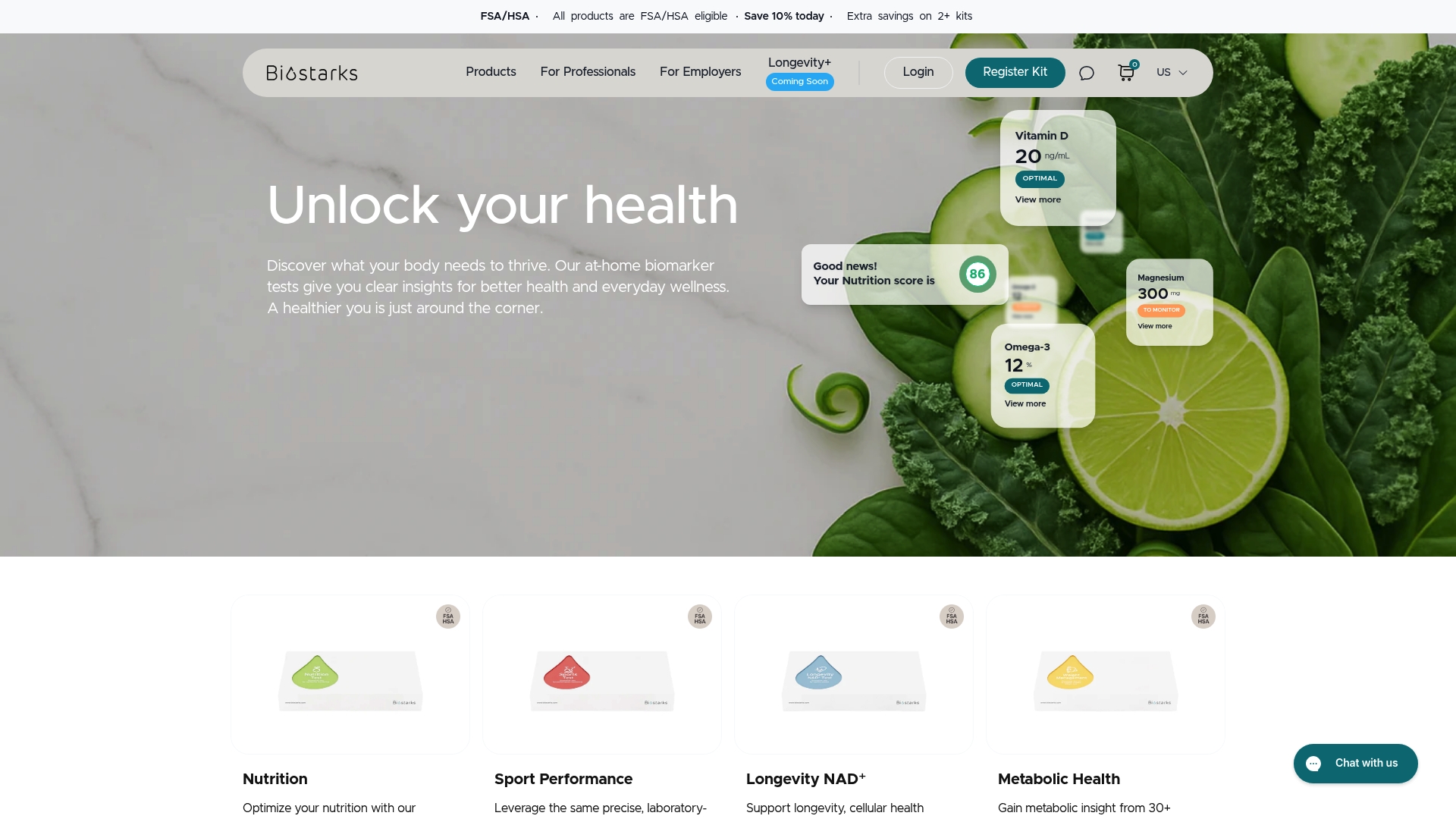
Visit Biostarks now to access your personalized biomarker report and start transforming complex health data into real-world results. For professionals seeking more advanced testing and interpretation, see our Biostarks Pro Collection to enhance your clinical or nutritional practice today.
Frequently Asked Questions
What are biomarker reports and how can they improve my health?
Biomarker reports analyze molecular indicators in your body, providing insights into immune function, metabolism, and potential disease risks. They help individuals implement targeted lifestyle changes for better health outcomes.
How are biomarkers categorized in testing?
Biomarkers are classified into seven types: susceptibility, diagnostic, prognostic, monitoring, predictive, pharmacodynamic, and safety biomarkers, each serving a unique role in understanding health conditions and guiding personalized healthcare.
What should I do with my biomarker test results?
It’s essential to consult with a healthcare professional who can interpret your results accurately. They can provide insights into your health status and suggest personalized strategies for optimization based on your unique molecular profile.
Are there risks associated with biomarker testing?
Yes, there are risks such as measurement variability and potential misinterpretation of results. It’s crucial to view biomarker reports as tools for guidance rather than definitive diagnoses and to discuss them with a healthcare professional.


