

Choosing the right biomarkers for your health can feel overwhelming, especially with so many options available and conflicting advice everywhere you look. If you want your health goals to drive real results, it takes more than just ordering a few popular tests and hoping for the best. You need a focused checklist that brings together the science of biomarkers, your personal health objectives, and best practices from global experts.
This guide breaks down every step of the personalized biomarker process, backed by globally recognized research. Get ready to discover the proven techniques and expert insights that make biomarker tracking truly valuable for managing your health. Each practical step will help you transform complex data into clear, actionable plans for lasting wellbeing.
Table of Contents
- Understand Your Health Goals
- Select the Right Biomarker Panel
- Ensure Proper Sample Collection
- Interpret Key Biomarker Ranges
- Spot Patterns and Deficiencies Early
- Consult Experts for Data-Driven Insights
- Take Personalized Action for Optimization
Quick Summary
| Takeaway | Explanation |
|---|---|
| 1. Establish Clear Health Goals | Defining your health goals personalizes biomarker testing, transforming it into an effective health optimization strategy. |
| 2. Choose the Right Biomarker Panel | Selecting a tailored biomarker panel ensures that the insights gained are relevant to your specific health objectives and conditions. |
| 3. Ensure Accurate Sample Collection | Following proper collection protocols is critical for the reliability of biomarker testing results and their subsequent interpretation. |
| 4. Contextualize Biomarker Ranges | Understanding the context of biomarker ranges is essential, as individual differences can greatly affect what is considered normal. |
| 5. Take Action Based on Insights | Transform biomarker data into practical health improvements through targeted actions that align with your personal health objectives. |
1. Understand Your Health Goals
Defining clear health goals is the critical first step in creating an effective biomarker checklist. Health goals transform biomarker testing from a generic procedure into a personalized health optimization strategy.
Biomarkers serve as precise indicators of your body’s internal processes. By understanding biological indicators, you can proactively track and improve your metabolic health.
Your health goals might vary widely:
- Weight management
- Athletic performance optimization
- Chronic disease prevention
- Longevity enhancement
- Hormonal balance
- Nutritional optimization
Your biomarker journey begins with crystal-clear personal health objectives.
Effective goal setting requires honest self-assessment. Ask yourself: What specific health outcomes do I want to achieve? Are you targeting improved energy levels, better metabolic efficiency, or addressing potential genetic predispositions?
Each goal demands a tailored approach to biomarker selection. For instance athletes might prioritize inflammation markers and testosterone levels while someone focused on longevity might track cellular aging indicators.
Pro tip: Document your health goals specifically and quantifiably before selecting your biomarker panel to ensure maximum testing relevance and actionable insights.
2. Select the Right Biomarker Panel
Selecting the appropriate biomarker panel is a critical decision that determines the precision and relevance of your health insights. Biomarker panels are not one-size-fits-all scientific instruments but targeted diagnostic tools designed to answer specific health questions.
A strategic approach involves understanding clinical utility and validation criteria before choosing your testing panel. Different panels offer distinct health perspectives based on your unique goals.
Key considerations for panel selection include:
- Your specific health objectives
- Current medical history
- Genetic predispositions
- Performance or wellness targets
- Age and lifestyle factors
The right biomarker panel transforms raw data into actionable health intelligence.
Most comprehensive biomarker panels typically assess multiple critical domains such as:
- Metabolic health indicators
- Hormonal balance markers
- Inflammatory response signals
- Nutritional status markers
- Cardiovascular risk indicators
Precision matters. A targeted panel provides more meaningful insights than a generalized screening approach. Think of biomarker panels like precision instruments calibrated to detect specific physiological signals.
Pro tip: Consult with healthcare professionals to design a biomarker panel that aligns precisely with your individual health goals and risk profile.
3. Ensure Proper Sample Collection
Precise biomarker testing begins with immaculate sample collection. Sample integrity determines the reliability and accuracy of your health insights.
Collecting biological samples requires meticulous attention to detail. Rigorous collection standards are fundamental to obtaining valid diagnostic information.
Key factors in sample collection include:
- Time of day for collection
- Fasting status
- Sample handling procedures
- Storage temperature
- Transportation conditions
- Avoiding contamination
Precision in sample collection transforms raw biological material into meaningful health data.
Different biomarkers demand specific collection protocols:
- Blood samples typically require morning fasting
- Saliva samples need minimal oral interference
- Urine samples often require midstream collection
- Hormone tests might need specific timing in menstrual cycle
Preparation is paramount. Before collection consider factors like:
- Recent physical activity
- Medication interactions
- Dietary influences
- Hydration levels
- Stress conditions
Professional labs provide detailed instructions. Following these precisely prevents sample degradation and ensures maximum diagnostic value.
Pro tip: Read collection instructions thoroughly and schedule your sample collection when you can minimize external variables that might impact test results.
4. Interpret Key Biomarker Ranges
Understanding biomarker ranges transforms complex data into meaningful health insights. Biomarker interpretation requires more than just reading numbers it demands comprehensive contextual analysis.
Biomarkers are not absolute indicators but nuanced signals reflecting your unique physiological landscape. Validated reference ranges provide critical context for understanding your health status.
Key considerations in biomarker range interpretation:
- Individual variability matters
- Demographic factors influence results
- Age and gender impact normal ranges
- Lifestyle and medical history are crucial
- Trends matter more than single measurements
Biomarker ranges are navigation tools not definitive diagnoses.
Different biomarker categories require unique interpretation approaches:
- Hormonal markers need cyclical context
- Metabolic indicators reflect broader health patterns
- Inflammatory markers signal systemic responses
- Nutritional levels indicate potential deficiencies
Understanding context is critical. A single biomarker outside standard range does not automatically signal disease. Consider these nuanced factors:
- Temporary fluctuations
- Testing conditions
- Potential laboratory variances
- Recent lifestyle changes
Consult healthcare professionals for comprehensive interpretation. They can provide personalized insights that raw numbers cannot communicate.
Pro tip: Request a detailed explanation of your biomarker results from a healthcare professional who can contextualize your unique physiological profile.
5. Spot Patterns and Deficiencies Early
Biomarkers serve as your body’s early warning system revealing potential health issues before symptoms emerge. Preventive health tracking transforms reactive medical approaches into proactive wellness strategies.
Identifying biochemical imbalances through systematic biomarker screening enables timely interventions that can significantly alter health trajectories.
Common early warning signals include:
- Nutrient deficiency markers
- Hormonal irregularities
- Metabolic dysfunction indicators
- Inflammatory response changes
- Oxidative stress signals
Early detection transforms potential health risks into manageable wellness opportunities.
Strategic patterns to monitor:
- Consistent trending outside normal ranges
- Sudden unexplained shifts in biomarker values
- Cumulative changes across multiple markers
- Subtle variations indicating emerging metabolic stress
Tracking trends matters more than single measurements. Regular biomarker assessments create a comprehensive health narrative revealing:
- Potential nutritional gaps
- Metabolic efficiency
- Systemic inflammation levels
- Hormonal balance
- Cellular health indicators
Consistent monitoring allows you to make targeted lifestyle adjustments before minor imbalances escalate into significant health challenges.
Pro tip: Create a personal health timeline tracking your biomarker results to visualize long-term trends and discuss meaningful changes with healthcare professionals.
6. Consult Experts for Data-Driven Insights
Translating complex biomarker data requires specialized expertise that goes beyond basic interpretation. Professional health guidance bridges the gap between raw data and meaningful health strategies.
Experts provide critical context through evidence-based interpretation frameworks that transform numerical results into actionable health insights.
When to seek expert consultation:
- Complex or unusual biomarker patterns
- Multiple markers showing interconnected shifts
- Persistent unexplained health symptoms
- Planning major lifestyle interventions
- Developing personalized wellness strategies
Expert insights transform data points into comprehensive health narratives.
Types of professionals who can help:
- Functional medicine physicians
- Endocrinology specialists
- Metabolic health nutritionists
- Clinical biochemistry experts
- Integrative health practitioners
Professional interpretation adds crucial context. Experts can help you:
- Understand subtle marker interactions
- Identify emerging health risks
- Design targeted intervention strategies
- Create personalized optimization plans
- Navigate complex biochemical relationships
Beyond basic reading experts provide nuanced insights that generic reports cannot capture transforming your biomarker data into a roadmap for optimal health.
Pro tip: Request a comprehensive consultation that explores not just your current biomarker results but potential future health trajectories and preventive strategies.
7. Take Personalized Action for Optimization
Transforming biomarker insights into tangible health improvements requires strategic and intentional action. Personalized optimization means creating targeted interventions that address your unique biochemical landscape.
Your biomarker data is a roadmap not a destination. Health optimization strategies translate complex data into practical lifestyle modifications.
Key areas for personalized action include:
- Targeted nutritional supplementation
- Precision exercise programming
- Metabolic efficiency improvements
- Stress management techniques
- Sleep quality enhancement
- Hormonal balance interventions
Your biomarkers reveal potential your actions unlock potential.
Effective personalization follows a systematic approach:
- Review biomarker results comprehensively
- Identify specific improvement targets
- Design targeted intervention strategy
- Implement measured changes
- Retest and recalibrate approach
Sustainable changes drive meaningful results. Small targeted modifications compound over time creating significant health transformation. Consider working with professionals who can help design a holistic optimization plan tailored to your specific biomarker profile.
Remember that optimization is an ongoing journey of incremental improvements not a destination.
Pro tip: Create a 90-day personalized action plan with specific measurable goals based on your biomarker insights and track your progress systematically.
Below is a summary table outlining key points and strategies for health optimization discussed in the article.
| Step | Description | Outcome |
|---|---|---|
| Understand Health Goals | Define personal health objectives to guide biomarker selection, focusing on areas like weight management, longevity, and athletic performance. | Personalized and meaningful health goal alignment. |
| Select Biomarker Panels | Choose panels tailored to your health needs, emphasizing testing relevance and clinical utility. | Targeted health insights and improved diagnostics. |
| Ensure Sample Collection | Follow strict protocols for biological sample collection based on biomarker type to ensure accuracy. | Valid and precise diagnostic results free from contamination. |
| Interpret Biomarker Ranges | Analyze results considering context, trends, and personal factors to guide health decisions. | Insight into physiological trends and health markers. |
| Spot Patterns Early | Monitor biomarker trends to detect early signs of potential health issues and address them proactively. | Preventive health maintenance and wellness optimization. |
| Consult Health Experts | Work with professionals to achieve deeper insights into biomarker data for refined health strategies. | Enhanced guidance and tailored health plans. |
| Take Personalized Action | Establish actionable plans for health improvement, measurable goals, and iterative adjustments. | Incremental and sustainable wellness and optimization. |
Take Control of Your Health with a Complete Biomarker Checklist
Everyone seeking to optimize their health faces the challenge of navigating complex biomarker data and understanding personalized health signals. This article highlights how defining clear health goals, selecting the right biomarker panels, and ensuring precise sample collection are the keys to actionable and meaningful insights. If you want to overcome uncertainty and catch early warning signs before symptoms appear, choosing a testing solution that offers precision and clarity is critical.
Biostarks specializes in advanced at-home biomarker testing using Swiss mass spectrometry techniques to deliver high-resolution analytics on vitamins, hormones, amino acids, and metabolic markers. Our comprehensive Biostarks | Collection empowers you with detailed, easy-to-interpret reports tailored to your unique health objectives — whether focusing on metabolic health, performance, longevity, or hormonal balance.
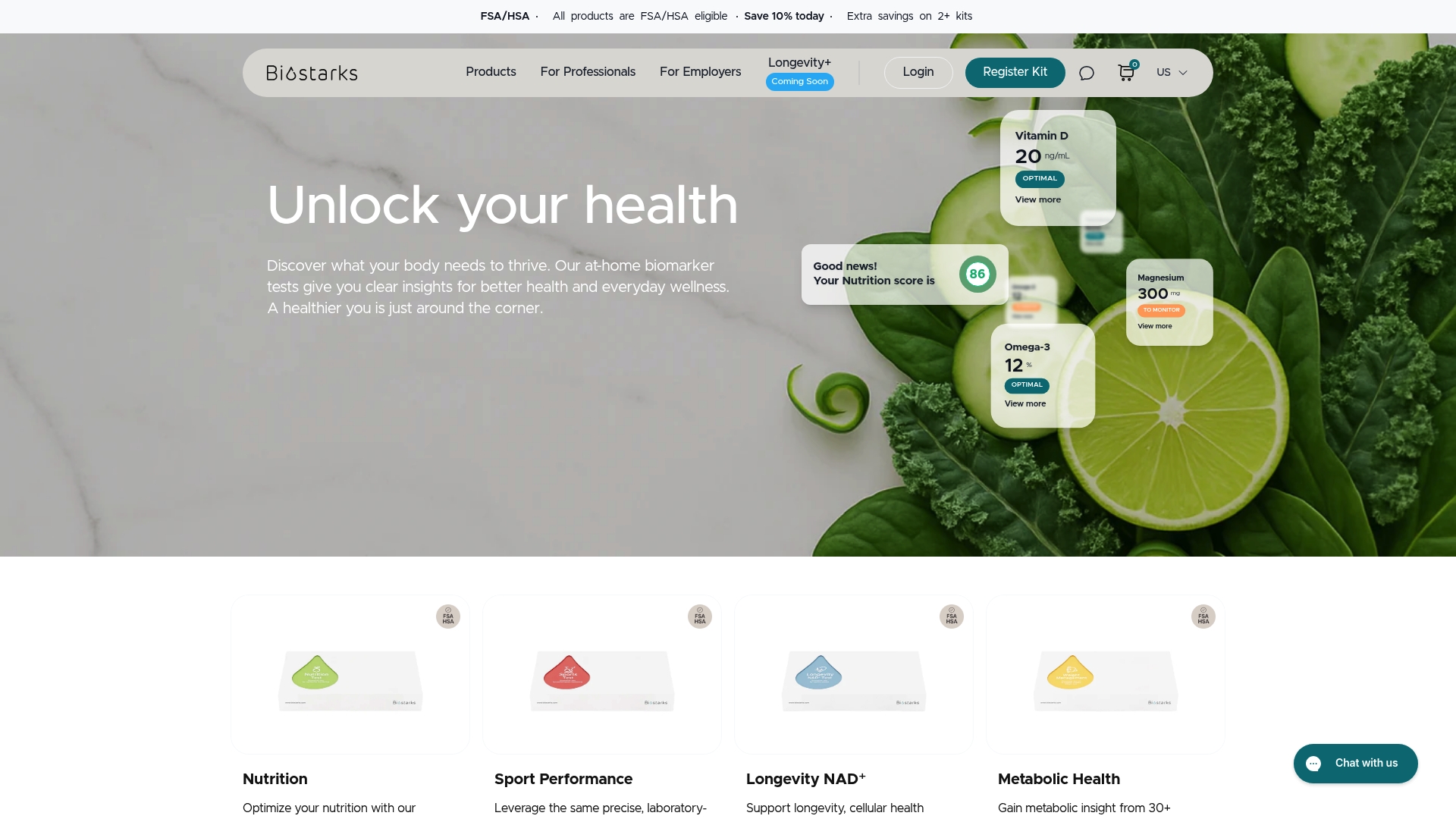
Don’t wait for health challenges to emerge. Start your personalized health journey today with Biostarks, where advanced diagnostics meet user-friendly sample collection and expert-backed data interpretation. Visit our Biostarks | Collection to explore testing options designed to pinpoint exactly what your body needs. Take action now and transform your biomarker checklist into a powerful roadmap for optimal wellness.
Frequently Asked Questions
How do I define my health goals for biomarker testing?
Begin by clearly outlining specific health outcomes you want to achieve, such as weight management or improved energy levels. Document these goals in a way that is both specific and quantifiable to guide your biomarker selection process.
What criteria should I consider when selecting a biomarker panel?
Consider your individual health objectives, current medical history, and lifestyle factors when choosing a biomarker panel. This ensures the panel is tailored to your unique health questions and provides relevant insights.
What steps should I follow to ensure proper sample collection?
To ensure accurate biomarker testing, follow specific sample collection protocols, including timing, fasting status, and handling procedures. Schedule your collection when you can minimize external factors that may affect results.
How can I interpret my biomarker ranges effectively?
Understanding biomarker ranges involves contextualizing your results with demographic factors and lifestyle influences. Consult a healthcare professional for a comprehensive analysis of your results, focusing on trends rather than single measurements.
What actions can I take based on my biomarker results?
Transform your biomarker data into actionable health improvements by creating a personalized action plan. Set specific measurable goals, implement changes, and reassess your progress, aiming to adjust strategies within 90 days.
When should I consult experts for biomarker analysis?
Seek expert consultation if you notice complex patterns in your biomarker data or experience unexplained health symptoms. Engaging a healthcare professional can provide deeper insights and tailored intervention strategies to optimize your health.
Recommended
- Master Biomarker Data Interpretation Workflow… | Biostarks
- 7 Best Practices for Biomarker Analysis Success | Biostarks
- 7 Essential Types of Biomarkers for Personal … | Biostarks
- 7 Key Biomarker Testing Benefits for Athletes… | Biostarks
- Vitamine B12 tekort test uitvoeren en resultaten begrijpen - Mijn Voedsel Intolerantie Test


