

TL;DR:
- Consistent foundational habits like exercise, sleep, nutrition, stress management, and biomarker monitoring are essential for health optimization in 2026. Tracking key biomarkers and making incremental daily improvements drive meaningful, lasting longevity benefits. Prioritizing these evidence-backed fundamentals yields more sustainable results than chasing trendy biohacks or short-term fixes.
Health optimization is defined as the systematic improvement of measurable biological and behavioral metrics through validated lifestyle strategies, clinical protocols, and data-driven monitoring. The health optimization tips 2026 that matter most are not trendy biohacks. They are evidence-backed fundamentals: consistent exercise, quality sleep, targeted nutrition, stress reduction, and biomarker-guided supplementation. Tools like the Oura Ring, continuous glucose monitors (CGMs), and at-home biomarker testing from platforms like Biostarks now make it possible to track these metrics with clinical precision. This guide delivers ten specific, research-supported strategies to help you build measurable, lasting vitality.
1. What is the optimal exercise routine for health in 2026?
The most effective exercise protocol for longevity combines zone 2 aerobic training, VO2 max intervals, and strength training in a structured weekly split. According to the RecoveryStack longevity protocol, zone 2 training requires 180 to 300 minutes per week at a conversational pace. That volume builds mitochondrial density and fat-oxidation capacity, two markers that directly predict metabolic health over decades.
VO2 max is the strongest single predictor of all-cause mortality, which means improving it is not optional for anyone serious about longevity. One to two weekly high-intensity interval sessions targeting VO2 max are sufficient to move the needle without overtraining. Strength training three times per week addresses sarcopenia, the age-related muscle loss that begins around age 40 at approximately 1% per year.
- Zone 2 cardio: 180 to 300 minutes per week at a pace where you can hold a conversation
- VO2 max intervals: 1 to 2 sessions weekly, such as 4x4 minute efforts at near-maximal output
- Strength training: 3 sessions weekly targeting major muscle groups with progressive overload
- Daily movement: A target of 10,000 steps with incremental weekly increases of 1,000 steps
Pro Tip: If you only have time for one type of training, prioritize zone 2 cardio. It builds the aerobic base that makes every other form of exercise more effective.
2. How to optimize sleep for recovery and health outcomes
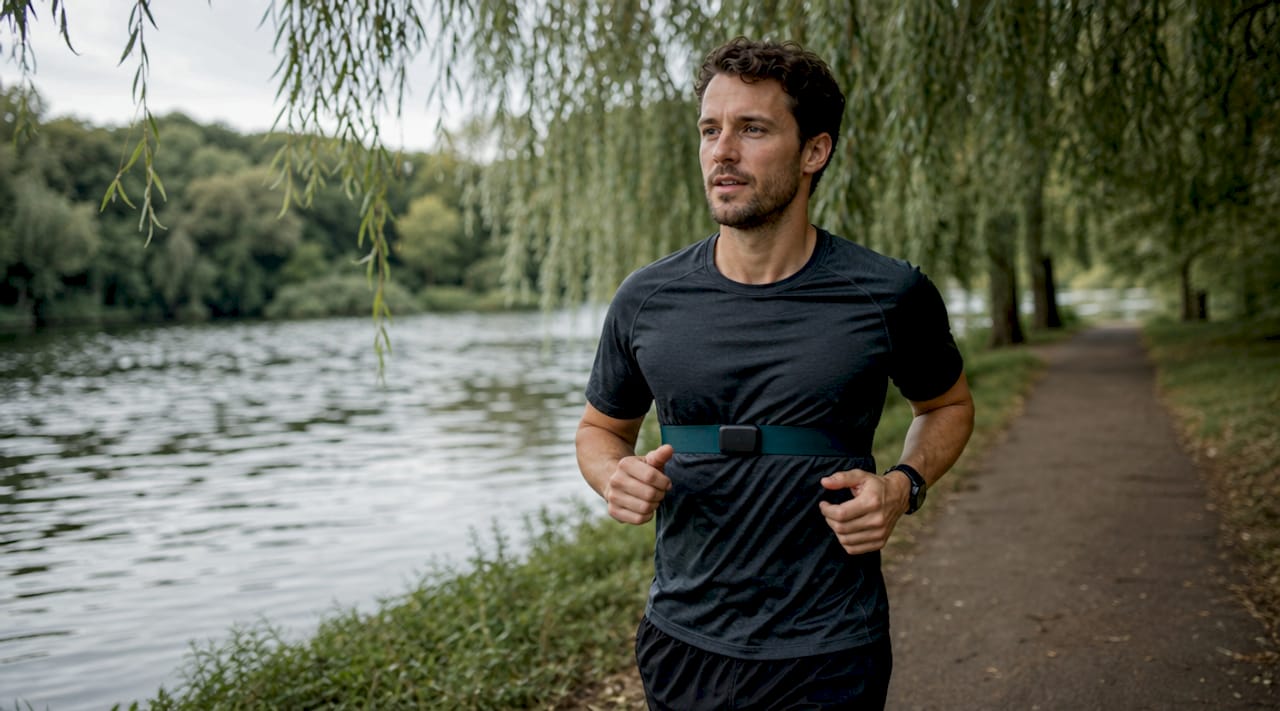
Sleep architecture is the foundation of every other health improvement strategy. The RecoveryStack protocol specifies 7.5 to 8.5 hours of sleep nightly with a bedtime variance of less than 30 minutes. That consistency preserves circadian rhythm integrity, which governs cortisol, insulin sensitivity, and immune function simultaneously.
Bedroom temperature between 60 and 67°F (16 to 19°C) is the range that supports the core body temperature drop required for deep, restorative sleep. During deep sleep, the brain’s glymphatic system clears metabolic waste including amyloid beta, a protein associated with cognitive decline. Poor sleep does not just make you tired. It directly impairs glucose metabolism, raises inflammatory markers, and suppresses growth hormone release.
- Set a fixed wake-up time seven days a week, including weekends
- Keep your bedroom at 60 to 67°F using a fan, air conditioning, or a product like Eight Sleep
- Eliminate blue light exposure for 60 minutes before bed using blue-light-blocking glasses or screen settings
- Build a 20-minute wind-down routine: light stretching, reading, or breathwork
- Avoid caffeine after 1:00 PM and alcohol within three hours of bedtime
Pro Tip: Track your sleep stages with an Oura Ring or Garmin device for two weeks before making changes. Objective data reveals whether your problem is sleep duration, timing, or quality.
3. What nutritional strategies support longevity and muscle health?
Nutrition for health optimization in 2026 centers on three non-negotiable pillars: adequate protein at every meal, micronutrient sufficiency, and the elimination of ultra-processed foods. Protein intake at 1.6 to 2.2 grams per kilogram of body weight per day is the validated range for preserving muscle mass during aging. Spreading that intake across meals, rather than concentrating it at dinner, maximizes muscle protein synthesis throughout the day.
Vitamin D is the most commonly deficient micronutrient in adults who do not live near the equator. Optimal vitamin D levels sit between 40 and 60 ng/mL, a range that supports immune regulation, bone density, and mood stability. Annual testing is the only reliable way to know where you stand, since symptoms of deficiency are nonspecific and easy to miss.
Anti-inflammatory dietary patterns reduce the chronic low-grade inflammation that underlies multiple age-related diseases. The practical translation: eat diverse plant foods, fatty fish twice weekly for omega-3 EPA and DHA, whole grains, and legumes. Limit alcohol and avoid ultra-processed foods as a default, not an occasional rule.
| Nutritional strategy | Why it matters |
|---|---|
| Protein 1.6 to 2.2g/kg/day | Preserves muscle mass and supports metabolic rate during aging |
| Vitamin D 40 to 60 ng/mL | Reduces deficiency risk and supports immune and bone health |
| Diverse plant foods | Delivers fiber, polyphenols, and micronutrients that reduce inflammation |
| Omega-3 fatty acids (EPA+DHA) | Lowers cardiovascular risk and supports brain function |
| Eliminate ultra-processed foods | Reduces caloric excess, additives, and inflammatory seed oils |
Pro Tip: Use a nutrient tracking checklist for 30 days to identify gaps before spending money on supplements. Most people discover they are low in protein and vitamin D before anything else.
4. How stress management and social connection shape your health
Chronic stress is a direct biological threat, not a productivity inconvenience. Elevated cortisol over weeks and months suppresses immune function, raises fasting insulin, and accelerates cellular aging through telomere shortening. Managing stress is therefore a clinical priority, not a lifestyle preference.
An 8-decade Harvard study tracking over 700 subjects identified strong social relationships as the single most significant factor for a longer, happier life. That finding outranked diet, exercise, and genetics in predictive power. Loneliness, by contrast, produces inflammatory responses comparable to smoking 15 cigarettes per day.
“The clearest message from 80 years of research is this: good relationships keep us healthier and happier.” — Harvard Study of Adult Development
Practical stress management for 2026 does not require meditation retreats. It requires daily micro-practices:
- Breathwork: 5 minutes of box breathing (4 counts in, 4 hold, 4 out, 4 hold) lowers heart rate and cortisol within minutes
- Digital boundaries: No phone for the first 30 minutes after waking and the last 30 minutes before sleep
- Time in nature: Even 20-minute walks in green spaces reduce cortisol and improve mood measurably
- Social investment: Schedule one meaningful social interaction per week as a non-negotiable appointment
Alvarado Therapy’s self-care framework aligns with WHO guidance confirming that self-care practices directly complement professional medical care in maintaining long-term health.
5. What role do supplements and biomarker monitoring play?
Supplements are refinements, not foundations. The largest longevity benefits come from sleep, exercise, and nutrition in that order. Supplements become relevant only after those pillars are established and only when blood data confirms a genuine gap.
Three supplements have the strongest evidence base for most adults:
- Creatine monohydrate (5g/day): Supports muscle strength, cognitive function, and cellular energy production. One of the most studied compounds in sports science.
- Omega-3 (2g EPA+DHA daily): Reduces triglycerides, lowers systemic inflammation, and supports brain health. Dose based on dietary fish intake.
- Vitamin D3 (dose based on blood levels): Target the 40 to 60 ng/mL range confirmed by testing, not a generic 1,000 IU capsule.
Biomarker monitoring transforms guesswork into precision. The three most predictive markers for cardiovascular and metabolic risk are ApoB, fasting insulin, and hs-CRP. ApoB measures the number of atherogenic particles in circulation, making it a more accurate cardiovascular risk predictor than LDL cholesterol alone. Fasting insulin reveals insulin resistance years before blood glucose becomes abnormal. hs-CRP quantifies systemic inflammation.
Data-driven optimization increasingly relies on tools like CGMs for real-time glucose feedback and heart rate variability (HRV) monitoring to assess recovery status. These technologies, combined with annual biomarker panels, allow you to personalize every recommendation in this article to your actual physiology.
Pro Tip: Test ApoB, fasting insulin, vitamin D, and hs-CRP before starting any new supplement protocol. The results will tell you exactly where to focus your money and effort.
6. How to build sustainable health improvement strategies
The most common failure mode in health optimization is attempting a complete lifestyle overhaul in January and abandoning it by March. Small, consistent changes compound over time. A 1% weekly improvement in a single health metric can translate to a 67% annual gain in metabolic health. That math makes incremental progress the most rational strategy available.
SMART goal-setting (Specific, Measurable, Achievable, Relevant, Time-bound) applied to health produces better outcomes than vague intentions. “Exercise more” fails. “Complete three 45-minute zone 2 sessions per week for 8 weeks” succeeds because it is trackable and time-limited. Research confirms that 5 to 10% weight loss within six months is achievable through combined dietary and physical activity changes using this structured approach.
- Habit stacking: Attach new behaviors to existing ones. Take a 10-minute walk immediately after every lunch. Do five minutes of breathwork directly after brushing your teeth at night.
- Incremental movement: Add 1,000 steps per week to your baseline until you reach 10,000 daily. This is more sustainable than jumping to a daily step target cold.
- Weekly review: Spend five minutes every Sunday reviewing one health metric. Sleep score, step count, or protein intake. One metric per week prevents overwhelm.
- Identity-based framing: “I am someone who prioritizes sleep” produces more durable behavior than “I should sleep more.”
Pro Tip: Start with the single habit that will have the most downstream effect for you personally. For most people, that is sleep. Fix sleep first, and exercise and nutrition compliance improve automatically.
Key takeaways
Health optimization in 2026 requires consistent execution across five measurable pillars: exercise, sleep, nutrition, stress management, and biomarker-guided supplementation.
| Point | Details |
|---|---|
| Exercise protocol | Combine zone 2 cardio, VO2 max intervals, and strength training weekly for longevity. |
| Sleep consistency | Target 7.5 to 8.5 hours with less than 30-minute bedtime variance and a cool bedroom. |
| Nutrition fundamentals | Hit 1.6 to 2.2g protein per kg daily and keep vitamin D between 40 and 60 ng/mL. |
| Biomarker monitoring | Track ApoB, fasting insulin, and hs-CRP annually to personalize your health strategy. |
| Sustainable habits | Apply the 1% weekly improvement rule and use habit stacking to prevent burnout. |
What I have learned from years of tracking health data
The wellness space generates more noise than signal. Every year brings new protocols, devices, and supplements claiming to unlock peak performance. After years of working with health data and watching people try to optimize everything at once, the pattern is clear: the people who improve the most are the ones who do the boring fundamentals consistently, not the ones chasing the newest biohack.
What surprises most people is how much stress management matters relative to nutrition and exercise. You can eat perfectly and train hard, but if your cortisol is chronically elevated and your social connections are weak, your biomarkers will reflect it. The Harvard data on social connection is not soft science. It is one of the most replicated findings in longevity research.
My honest observation is that the wellness optimization strategies that stick are the ones people actually enjoy. If you hate running, zone 2 on a rowing machine works just as well. If meal prepping feels like a chore, cooking simple whole-food meals at home three nights a week is enough to shift your dietary pattern. The goal is healthspan, not perfection. Trust the process, measure what matters, and adjust based on data rather than anxiety.
— Romain
Start measuring what actually matters with Biostarks
If this article confirmed one thing, it is that data separates guesswork from genuine progress. Biostarks, an AMR Labs SA company, offers at-home biomarker testing using advanced Swiss mass spectrometry to measure the markers that predict your health trajectory: vitamin D, ApoB, fasting insulin, hs-CRP, omega-3 index, and more.
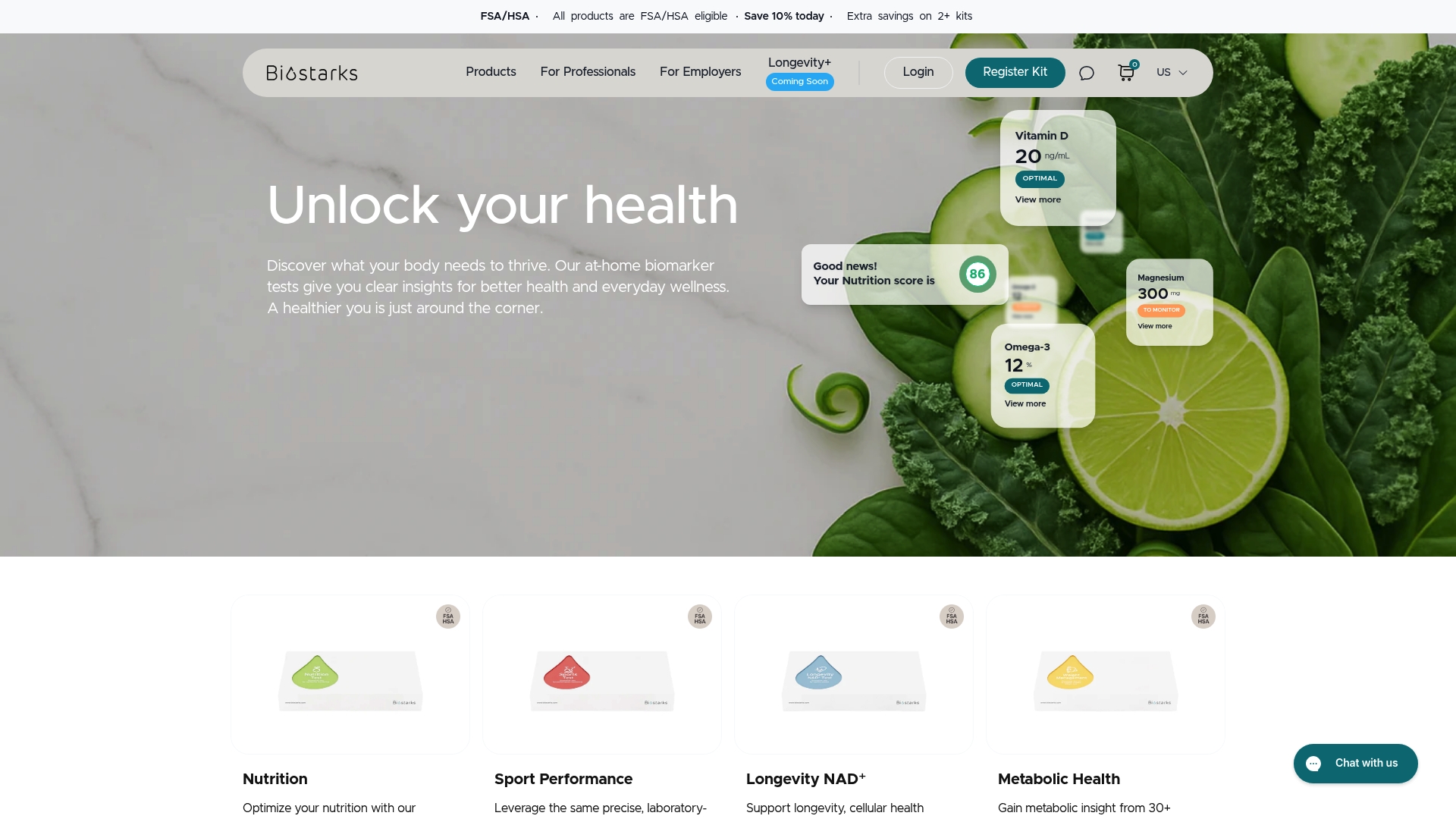
You do not need a clinic visit or a doctor’s referral to know where you stand. Biostarks delivers a comprehensive, personalized report that translates complex lab results into clear, prioritized actions. Whether you want to check your vitamin D levels before supplementing or get a full metabolic panel to guide your 2026 health strategy, Biostarks gives you the precision data to make every decision in this article specific to your biology. Visit Biostarks to explore testing options.
FAQ
What are the most important health optimization tips for 2026?
The five highest-impact strategies are consistent zone 2 exercise, 7.5 to 8.5 hours of quality sleep, protein-centered nutrition, daily stress management, and annual biomarker testing. These foundational habits produce the largest measurable gains in longevity and metabolic health.
How often should I test my biomarkers?
Annual testing of ApoB, fasting insulin, vitamin D, and hs-CRP is the minimum for most healthy adults. If you are actively changing your diet, exercise, or supplementation, testing every six months gives you faster feedback on what is working.
What supplements have the strongest evidence for health optimization?
Creatine monohydrate (5g/day), omega-3 EPA+DHA (2g/day), and vitamin D3 dosed to blood levels have the most consistent research support. All three should be added after foundational habits are established, not instead of them.
How long does it take to see results from health improvement strategies?
Most people notice measurable changes in sleep quality, energy, and body composition within 6 to 12 weeks of consistent habit changes. Biomarker improvements in fasting insulin and hs-CRP typically appear within 3 to 6 months of sustained dietary and exercise changes.
Can small daily changes really make a significant health difference?
A 1% weekly improvement in a single health metric compounds to a 67% annual gain, making incremental changes more powerful than periodic overhauls. Consistency over intensity is the defining principle of sustainable health improvement.
This content is for educational purposes only and does not constitute medical advice. Always consult with a healthcare professional before making changes to your health regimen.


