

Your metabolism does more than burn calories. It determines how efficiently you produce energy, recover from workouts, and maintain long-term health. Recent research reveals that exercise-induced adaptations distinctly shape metabolome patterns, meaning endurance athletes develop different metabolic profiles than strength trainers. Understanding these differences unlocks personalized strategies for optimizing performance and longevity. Whether you’re an athlete chasing marginal gains or someone focused on metabolic health, the right biomarker insights combined with targeted interventions can transform your results. This guide breaks down the science and shows you how to apply it.
Table of Contents
- How Metabolic Function Influences Health And Performance
- The Role Of Metabolic Flexibility And Personalized Biomarker Insights
- Nutrition, Training Adaptations, And Managing Metabolic Health
- Challenges And Future Directions In Metabolic Health Optimization
- Enhance Your Metabolic Health With Personalized Biomarker Testing
- Frequently Asked Questions
Key takeaways
| Point | Details |
|---|---|
| Exercise type shapes metabolism | Endurance and strength training produce distinct metabolic adaptations that affect fuel use and recovery patterns. |
| Metabolic flexibility drives endurance | Switching efficiently between fat and carbohydrate fuels prevents early glycogen depletion and sustains performance. |
| AI and biomarkers personalize strategies | Advanced testing reveals individual metabolic profiles, enabling tailored nutrition and training interventions. |
| Periodized nutrition beats static diets | Timing carbohydrate intake around training affects metabolic responses more effectively than constant restriction. |
| Common training mistakes impair metabolism | Chronic fasted training and prolonged low-carb diets can reduce metabolic flexibility instead of improving it. |
How metabolic function influences health and performance
Metabolic function governs how your body converts nutrients into usable energy. This process involves complex biochemical pathways that determine everything from daily energy levels to athletic performance and disease risk. When functioning optimally, your metabolism supports efficient fuel utilization, rapid recovery, and healthy aging.
Exercise triggers specific metabolic adaptations based on training type. Coordinated catabolic-anabolic cycles regulated by AMPK and mTOR orchestrate these changes during workouts and recovery periods. Endurance athletes develop enhanced fat oxidation capacity, while strength trainers build greater capacity for rapid energy production through glycolytic pathways. These adaptations aren’t interchangeable.
Understanding your metabolic profile helps you match nutrition and training to your body’s actual needs. Generic advice fails because individual responses vary dramatically. Some people naturally oxidize fat efficiently, while others rely heavily on carbohydrates even at moderate intensities. Recognizing these differences prevents wasted effort on strategies that don’t align with your physiology.
Metabolic dysfunction appears long before obvious symptoms emerge. Poor glucose regulation, impaired fat oxidation, and chronic inflammation develop gradually. By the time you notice decreased performance or weight gain, metabolic problems have often persisted for months or years. Early detection through metabolic health optimization biomarkers enables proactive intervention.
Key metabolic markers that reveal function include:
- Glucose and insulin levels indicating carbohydrate metabolism efficiency
- Lipid profiles showing fat utilization and cardiovascular risk
- Lactate thresholds reflecting anaerobic capacity and recovery ability
- Amino acid patterns revealing protein metabolism and muscle health
- Hormone levels affecting energy regulation and body composition
Pro Tip: Supporting your metabolic cycles through proper sleep, stress management, and nutrient timing optimizes both recovery and performance gains.
The role of metabolic flexibility and personalized biomarker insights
Metabolic flexibility represents your body’s ability to switch between burning fat and carbohydrates based on availability and demand. This adaptability proves critical for endurance performance. Athletes with poor metabolic flexibility experience early glycogen depletion and hit the wall sooner during long events.
Traditional assessments measure metabolic function through indirect calorimetry or lactate testing. While useful, these methods provide only snapshots of current state. They miss underlying biochemical imbalances that predict future problems. Modern biomarker panels offer deeper insight by measuring dozens of metabolic markers simultaneously.
AI systems integrate multimodal data from biomarker tests, wearables, and training logs to identify patterns invisible to human analysis. These systems detect subtle metabolic shifts before they impact performance. For example, declining amino acid ratios might signal overtraining weeks before fatigue becomes obvious. Early detection enables course correction.
Comprehensive metabolic panels like those testing 160+ markers reveal connections between seemingly unrelated systems. Low vitamin D might impair glucose metabolism. Elevated inflammatory markers could reduce fat oxidation capacity. These relationships only become apparent through broad testing.
Personalized insights transform generic advice into targeted interventions. Instead of following standard macronutrient ratios, you adjust based on your actual fuel utilization patterns. Rather than guessing at supplement needs, you address specific deficiencies revealed through testing. This precision eliminates wasted effort and accelerates progress.
Pro Tip: Combine baseline biomarker testing with periodic retesting to track how interventions affect your metabolic profile over time.
| Metric | Before Intervention | After 12 Weeks | Change |
|---|---|---|---|
| Fasting glucose (mg/dL) | 98 | 87 | -11% |
| Fat oxidation rate (g/min) | 0.32 | 0.51 | +59% |
| Lactate threshold (% VO2max) | 68 | 74 | +6 points |
| HbA1c (%) | 5.6 | 5.2 | -0.4 |
Regular tracking of metabolic health biomarkers provides objective feedback on whether your current approach works. Subjective feelings mislead. You might feel fine while developing insulin resistance or losing metabolic flexibility. Data removes ambiguity and enables evidence-based adjustments.
Understanding your role of biomarkers in health optimization empowers informed decisions about nutrition, training, and lifestyle factors. You stop guessing and start measuring. This shift from intuition to data-driven strategy separates those who plateau from those who continuously improve.
Nutrition, training adaptations, and managing metabolic health
Specialized training creates distinct metabolic signatures. Endurance athletes develop enhanced mitochondrial density and fat oxidation capacity. Strength athletes build greater phosphocreatine stores and glycolytic enzyme activity. These adaptations reflect the specific demands each training type places on energy systems.

Nutrition timing matters more than most realize. Periodized carbohydrate intake influences metabolic flexibility and running economy more effectively than constant high or low carbohydrate approaches. Strategically manipulating carb availability around key workouts trains your body to utilize multiple fuel sources efficiently.
Common misconceptions about metabolic optimization lead athletes astray. Many believe chronic fasted training or permanent low-carb diets maximize fat adaptation. Research shows this approach often backfires. Misunderstanding metabolic flexibility leads to impaired high-intensity performance and reduced training capacity over time.
Proper fueling strategies support rather than compromise metabolic flexibility. The goal isn’t becoming purely fat-adapted or carb-dependent. You want the ability to efficiently use whatever fuel source best matches current demands. This requires exposing your metabolism to varied conditions through periodized nutrition.
Steps to structure nutrition and training for metabolic optimization:
- Establish baseline metabolic function through comprehensive biomarker testing and metabolic assessments
- Identify your primary training goals and match periodization strategy to those objectives
- Implement strategic carbohydrate manipulation around key workouts while maintaining overall energy balance
- Monitor response through regular testing of glucose regulation, fat oxidation capacity, and performance markers
- Adjust macronutrient timing and total intake based on objective data rather than subjective feelings
- Progressively challenge metabolic systems through varied training stimuli and nutritional conditions
Pro Tip: Avoid outdated diet fads promoting permanent metabolic states. True metabolic health requires flexibility, not rigidity.
| Approach | Fat Oxidation (g/min) | Carb Oxidation (g/min) | Performance Impact |
|---|---|---|---|
| Chronic LCHF | 0.68 | 0.42 | Reduced high-intensity capacity |
| Periodized carbs | 0.54 | 0.89 | Maintained across intensities |
| High-carb constant | 0.31 | 1.24 | Strong high-intensity, poor endurance |
The comparison reveals that periodized approaches maintain metabolic flexibility across fuel sources. Chronic restriction in either direction creates metabolic inflexibility. Your body adapts to whatever fuel you consistently provide, losing the ability to efficiently use alternatives.
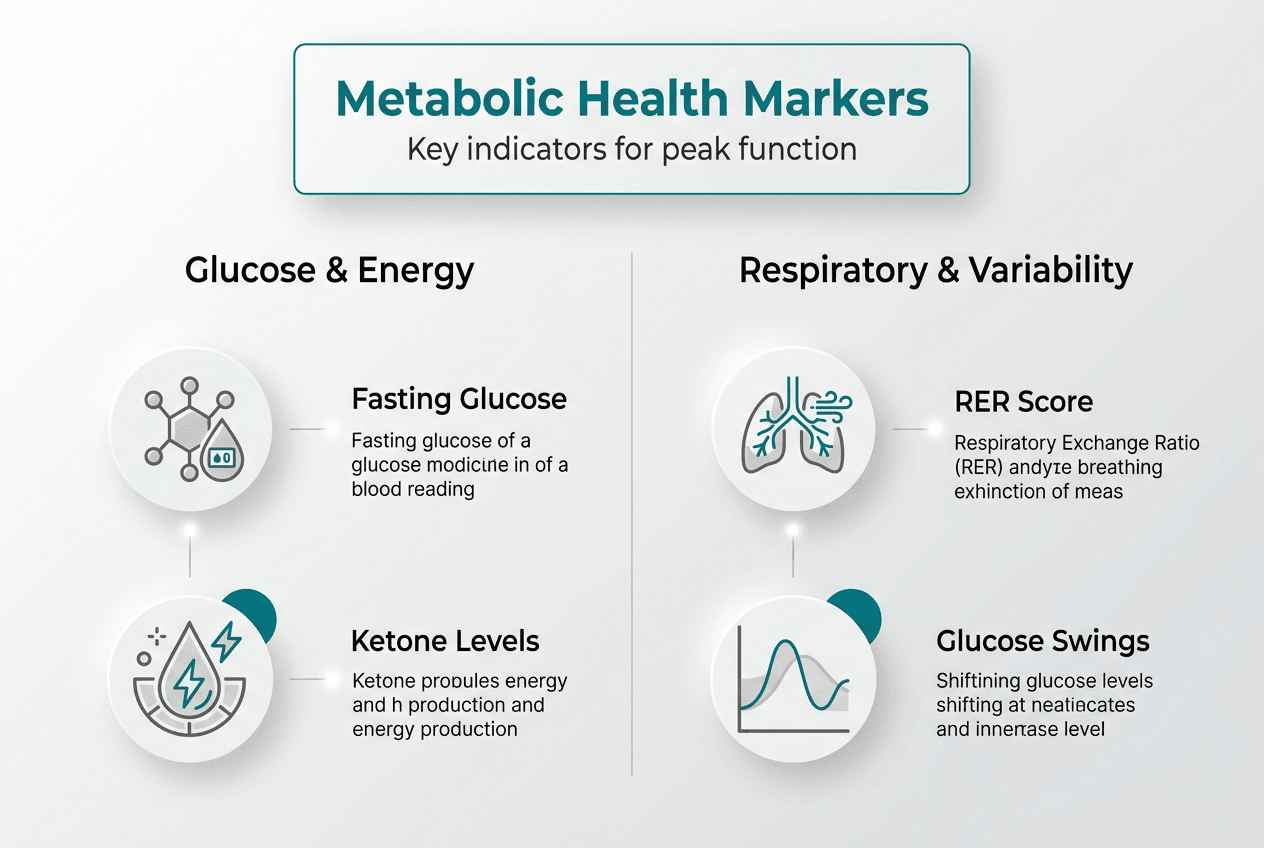
Examples of metabolic markers that optimize health include glucose variability, ketone production capacity, respiratory exchange ratio at various intensities, and recovery of metabolic markers post-exercise. Tracking these indicators reveals whether your current approach builds or erodes metabolic flexibility.
Challenges and future directions in metabolic health optimization
Current measurement technologies face significant limitations. Sensor noise and calibration drift reduce accuracy of continuous glucose monitors and other wearable metabolic devices. Challenges persist in data quality and model transparency for AI-driven metabolic health solutions. These technical issues constrain the reliability of personalized recommendations.
Limited diverse datasets restrict applicability of current models. Most metabolic research involves predominantly white, affluent populations in developed countries. Algorithms trained on this narrow data perform poorly for underrepresented groups. Genetic, cultural, and environmental factors affecting metabolism vary widely across populations.
Equity in access to personalized metabolic tools remains a major concern. Advanced biomarker testing, continuous monitoring devices, and AI-powered analysis platforms cost hundreds or thousands of dollars. This creates a two-tier system where wealthy individuals optimize health through precision medicine while others rely on generic guidance.
The Metabolic Overdrive Model provides new framework for understanding maladaptive metabolic states. This systems-level approach reveals how metabolic dysregulation becomes self-reinforcing. Once established, metabolic lock-in states resist correction through standard interventions. Breaking these patterns requires targeted, multi-faceted approaches.
Emerging research connects epigenetics and redox regulation to metabolic health. Gene expression changes induced by diet and exercise affect metabolic function for months or years. Oxidative stress and antioxidant balance influence mitochondrial function and cellular energy production. These discoveries open new intervention targets.
Key challenges limiting metabolic health optimization:
- Measurement validity issues reducing confidence in wearable device data
- Algorithm bias from non-representative training datasets
- High costs creating access barriers for most populations
- Lack of standardization across testing methodologies and biomarker panels
- Insufficient long-term studies tracking metabolic interventions over years
- Privacy concerns around sharing detailed metabolic and genetic data
Addressing these challenges requires collaborative efforts across researchers, clinicians, technology developers, and policymakers to democratize access to metabolic health optimization while maintaining scientific rigor and protecting individual privacy.
Future advances will likely integrate real-time metabolic monitoring with predictive AI models. Imagine systems that detect declining metabolic flexibility days before performance suffers, automatically adjusting nutrition and training recommendations. Such tools could prevent overtraining, optimize recovery, and maximize adaptation from each workout.
Tracking metabolic health at home will become more accessible as technology costs decline and accuracy improves. Point-of-care testing devices may soon provide lab-quality results within minutes. This democratization enables proactive metabolic management for broader populations.
Enhance your metabolic health with personalized biomarker testing
Understanding your unique metabolic profile removes guesswork from health optimization. While the science discussed above provides valuable context, applying it to your specific situation requires individualized data. That’s where comprehensive biomarker testing creates tangible value.

Biostarks offers personalized testing that analyzes vitamins, hormones, amino acids, lipids, minerals, and metabolic markers using Swiss mass spectrometry. These detailed insights reveal exactly how your metabolism functions right now. You discover which interventions your body actually needs rather than following generic protocols.
Combining biomarker data with AI-enhanced analysis enables precision nutrition and training strategies. Instead of trial and error, you implement targeted changes backed by your biochemistry. This approach accelerates progress while avoiding interventions that don’t match your physiology. Regular monitoring through metabolic health optimization biomarkers tracks improvements objectively.
Pro Tip: Establish a baseline with comprehensive testing, then retest every 12 weeks to measure how lifestyle changes affect your metabolic function.
Convenient at-home sample collection makes regular monitoring practical. Track your metabolic health without disrupting your training schedule or daily routine. Expert guidance helps interpret results and translate data into actionable strategies.
Biomarker testing reveals the path to better performance and health, but walking that path still requires consistent effort and smart training.
Frequently asked questions
What is metabolic function and why does it matter?
Metabolic function encompasses all biochemical processes that convert nutrients into energy and building blocks for cellular repair. It determines your energy levels, athletic performance, body composition, and disease risk. Poor metabolic function leads to fatigue, weight gain, and increased risk of diabetes and cardiovascular disease.
How can biomarker testing improve metabolic health optimization?
Biomarker testing reveals your individual metabolic profile by measuring glucose regulation, lipid metabolism, hormone levels, and nutrient status. These insights enable personalized nutrition and training strategies that match your body’s actual needs. Regular testing tracks whether interventions work, allowing evidence-based adjustments rather than guesswork.
What is metabolic flexibility and why is it important?
Metabolic flexibility is your body’s ability to efficiently switch between burning fat and carbohydrates based on availability and demand. High metabolic flexibility prevents early glycogen depletion during endurance events and supports stable energy throughout the day. Poor flexibility forces reliance on a single fuel source, limiting performance and metabolic health.
Can nutrition strategies like carb periodization enhance metabolic function?
Carb periodization strategically varies carbohydrate intake around training to enhance metabolic flexibility and fuel utilization efficiency. Research shows it affects metabolic responses and running economy more than direct performance improvements. This approach trains your body to efficiently use multiple fuel sources rather than becoming dependent on constant high or low carbohydrate availability.
What challenges exist in optimizing metabolic function with AI and testing?
Data quality issues from sensor noise and calibration drift reduce accuracy of metabolic monitoring devices. Limited diverse datasets cause AI models to perform poorly for underrepresented populations. High costs create access barriers, while lack of standardization across testing methods complicates result interpretation. Privacy concerns also limit willingness to share detailed metabolic data for model improvement.


