

Over 50 hormones regulate your metabolism, mood, immune function, and aging process, yet most people only associate hormones with reproduction. Understanding how these chemical messengers interact creates a foundation for optimizing wellness, preventing chronic disease, and extending healthspan. This guide reveals the comprehensive impact of hormone balance on your health and how personalized biomarker insights can transform your approach to longevity.
Table of Contents
- Understanding Hormone Balance: Foundations And Importance
- How Hormone Imbalance Affects Health, Performance, And Longevity
- Lifestyle And Environmental Factors Influencing Hormone Balance
- Personalizing Hormone Balance Through Biomarker Insights
- Common Misconceptions And Medical Gaps In Hormone Health
- Practical Strategies For Optimizing Hormone Balance
- Support Your Hormone Health Journey With Biostarks
- Frequently Asked Questions
Key takeaways
| Point | Details |
|---|---|
| Hormones control metabolism, mood, immunity, and longevity | Over 50 hormones interact in complex networks affecting every body system beyond reproduction. |
| Imbalances trigger diverse symptoms and chronic diseases | Fatigue, mood swings, weight changes, and sleep issues often signal hormonal dysfunction linked to diabetes and obesity. |
| Personalized biomarker testing enables precise optimization | AI-powered analysis of hormone levels creates customized interventions for improved metabolic health and quality of life. |
| Lifestyle factors significantly influence hormone regulation | Stress, diet, toxins, and sleep quality directly impact cortisol, insulin, and reproductive hormone balance. |
| Evidence-based strategies support sustainable balance | Gradual changes in nutrition, exercise, and stress management effectively restore hormonal equilibrium. |
Understanding hormone balance: foundations and importance
Hormones regulate metabolism, mood, reproduction, immune function, and more, making their balance essential for overall health. Hormone balance means maintaining optimal levels and natural rhythms of multiple chemical messengers that coordinate cellular communication throughout your body. When these messengers function in harmony, you experience steady energy, stable mood, efficient metabolism, and robust immune defense.
Key hormones impacting your daily wellness include:
- Cortisol governs stress response and influences inflammation, blood sugar, and sleep cycles
- Insulin regulates glucose metabolism and affects weight management and energy storage
- Estrogen and testosterone support reproductive health, bone density, cognitive function, and muscle maintenance
- Thyroid hormones control metabolic rate, body temperature, and cellular energy production
- Growth hormone facilitates tissue repair, muscle growth, and metabolic efficiency
Imbalances disrupt this intricate network, creating cascading effects across multiple systems. Your body might struggle to regulate blood sugar, leading to energy crashes and weight gain. Mood instability can emerge when neurotransmitter production falters due to hormonal dysfunction. Sleep disturbances often result from disrupted cortisol and melatonin rhythms.
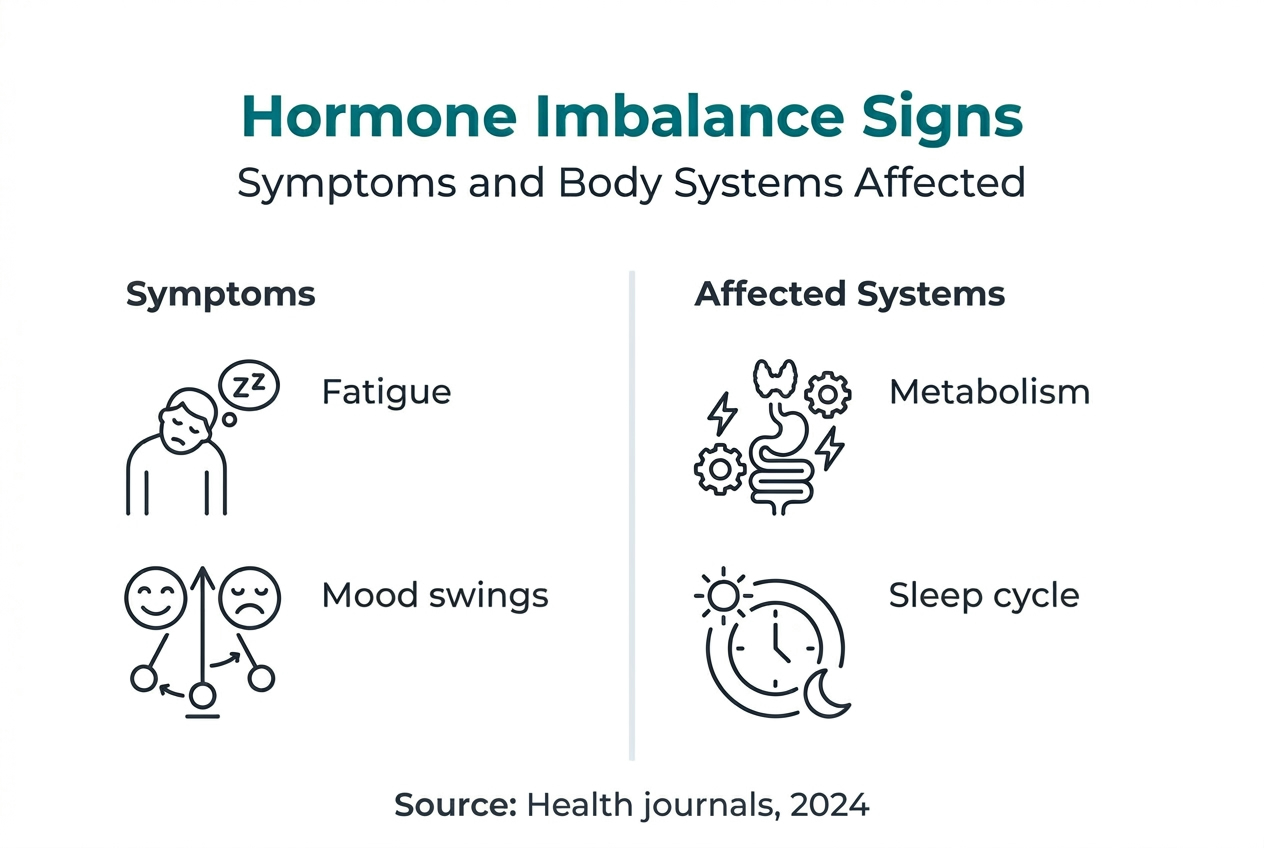
Common symptoms signaling imbalance include persistent fatigue despite adequate rest, unexplained weight changes, brain fog, irritability, reduced libido, and irregular sleep patterns. These warning signs deserve attention because they often precede more serious metabolic dysfunction. Recognizing these early indicators allows you to address root causes before chronic conditions develop.
How hormone imbalance affects health, performance, and longevity
Hormonal imbalances cause fatigue, mood swings and contribute to chronic diseases such as diabetes and obesity. When hormones fall out of optimal ranges, your metabolism slows, energy production becomes inefficient, and mental clarity diminishes. These effects compound over time, accelerating aging and increasing disease risk.
Insulin resistance exemplifies how hormone dysfunction creates widespread health consequences. Cells become less responsive to insulin signals, forcing your pancreas to produce more insulin to manage blood sugar. This vicious cycle promotes fat storage, inflammation, and eventually type 2 diabetes in susceptible individuals. Nearly 37 million Americans now live with diabetes, many developing the condition through preventable hormonal imbalances.
Mental health suffers dramatically when hormones lose equilibrium. Cortisol excess from chronic stress depletes neurotransmitter reserves, contributing to anxiety and depression. Thyroid dysfunction slows cognitive processing and impairs memory formation. Estrogen and testosterone fluctuations influence mood stability, motivation, and emotional resilience.
Performance impacts extend beyond mental fog:
- Reduced exercise capacity and longer recovery times
- Decreased muscle mass and increased body fat percentage
- Impaired immune function leading to frequent illness
- Lower stress tolerance and diminished resilience
- Accelerated cellular aging and shortened telomeres
Optimizing hormone levels reverses many aging markers. Balanced hormones support mitochondrial function, reduce oxidative stress, maintain lean muscle mass, and preserve cognitive abilities. Your cells repair more efficiently, inflammation decreases, and metabolic flexibility improves. This optimization becomes foundational for disease prevention and extended healthspan rather than merely extending lifespan.
Lifestyle and environmental factors influencing hormone balance
Chronic stress raises cortisol, deranging adrenal function and disrupting hormone balance. When cortisol remains elevated, it suppresses thyroid function, impairs insulin sensitivity, and reduces reproductive hormone production. Your body prioritizes immediate survival over long-term health, diverting resources from repair and regeneration.

Dietary choices profoundly influence hormonal equilibrium. Processed foods high in refined carbohydrates spike insulin repeatedly throughout the day, gradually reducing cellular insulin sensitivity. Trans fats interfere with cell membrane function, impairing hormone receptor signaling. Inadequate protein intake limits amino acid availability for hormone synthesis. Nutrient deficiencies in vitamin D, magnesium, and omega-3 fatty acids compromise hormone production and regulation.
Exposure to endocrine-disrupting chemicals like BPA and phthalates can mimic estrogen and cause hormonal imbalance. These synthetic compounds found in plastics, cosmetics, pesticides, and household products bind to hormone receptors, triggering inappropriate cellular responses. Your body cannot distinguish between natural hormones and these chemical imposters, leading to dysfunction across multiple systems.
Sleep quality represents another critical factor. During deep sleep, your body produces growth hormone, regulates cortisol rhythms, and balances reproductive hormones. Insufficient or poor-quality sleep disrupts these processes, creating hormonal chaos. Even one night of poor sleep can reduce insulin sensitivity by up to 25 percent.
Pro Tip: Practice daily stress management through breathwork or meditation for just 10 minutes to lower cortisol and support healthy hormone rhythms. Consistency matters more than duration when building resilience.
These lifestyle factors interact synergistically. Chronic stress increases cravings for processed foods, which further destabilize blood sugar and mood. Poor sleep amplifies stress responses and reduces willpower for healthy choices. Toxin exposure compounds existing imbalances. Addressing multiple factors simultaneously creates the most powerful optimization effects. Biomarker insights help you identify which factors most significantly impact your unique hormonal profile.
Personalizing hormone balance through biomarker insights
Personalized biomarker testing powered by AI can tailor hormone therapies for improved metabolic outcomes and quality of life. Advanced testing measures specific hormone levels at optimal times, revealing patterns invisible through symptom assessment alone. Key biomarkers include cortisol awakening response, fasting insulin, estradiol, progesterone, total and free testosterone, thyroid panel, and DHEA.
AI algorithms analyze these biomarkers alongside your symptoms, lifestyle factors, and health goals to generate personalized recommendations. Machine learning identifies subtle patterns across thousands of data points that human analysis might miss. This technology transforms raw lab values into actionable insights tailored to your physiology.
Bioidentical vs synthetic hormone therapy represents an important distinction:
| Aspect | Bioidentical Hormones | Synthetic Hormones |
|---|---|---|
| Structure | Molecularly identical to human hormones | Chemically altered structures |
| Source | Plant-derived, customized formulations | Pharmaceutical compounds |
| Side effects | Generally fewer, body recognizes as natural | More common, foreign to body |
| Customization | Tailored to individual biomarker results | Standardized dosing protocols |
| Metabolism | Processed like endogenous hormones | May create unusual metabolites |
Personalized data bridges the gap between laboratory results and practical interventions. Your hormone analysis guide translates complex biomarker patterns into specific dietary adjustments, supplement protocols, exercise modifications, and stress management techniques. This precision approach eliminates guesswork and accelerates results.
Pro Tip: Time your biomarker testing to capture hormone fluctuations accurately. Test cortisol within 30 minutes of waking, and schedule female reproductive hormone testing on specific cycle days for meaningful results.
Benefits for biohackers and health-conscious individuals include:
- Objective baseline data for tracking optimization progress
- Early detection of subclinical imbalances before symptoms worsen
- Validation of lifestyle intervention effectiveness
- Personalized supplement and medication dosing
- Reduced trial-and-error experimentation
Biomarker interpretation requires understanding reference ranges versus optimal ranges. Standard lab ranges represent population averages, not necessarily values associated with peak performance and longevity. Working with professionals who understand functional ranges helps you target truly optimal levels. Biomarker testing benefits extend beyond hormone optimization to comprehensive metabolic health assessment.
Common misconceptions and medical gaps in hormone health
Hormone balance is not solely about female reproductive hormones; many OTC products lack scientific validation; women remain underrepresented in hormone research leading to misdiagnosis. These knowledge gaps create confusion and potentially harmful self-treatment approaches.
Popular myths that mislead health decisions include:
- Myth: Only women need to worry about hormone balance. Reality: Men experience significant hormone-related health issues, particularly testosterone decline and cortisol dysregulation affecting metabolism and vitality.
- Myth: Natural hormones are always safer than synthetic versions. Reality: “Natural” labeling is poorly regulated; bioidentical hormones require proper dosing and monitoring just like conventional therapies.
- Myth: You can feel when hormones are imbalanced. Reality: Many hormonal problems remain asymptomatic until significant dysfunction develops, making testing essential for early detection.
- Myth: Hormone replacement therapy is only for menopause. Reality: Hormone optimization benefits various life stages and conditions, from thyroid dysfunction to adrenal fatigue to metabolic syndrome.
- Myth: Over-the-counter hormone supplements work like prescriptions. Reality: Most supplements contain precursors or weak compounds that rarely produce meaningful hormonal changes.
Historical research bias particularly affects women’s hormone health understanding. Clinical trials predominantly featured male subjects, assuming findings would apply universally. Female hormone fluctuations were considered confounding variables rather than essential study parameters. This approach created enormous knowledge gaps about how hormones influence women’s cardiovascular health, brain function, and metabolic regulation across the lifespan.
Diagnostic errors frequently occur when providers rely solely on standard reference ranges or dismiss symptoms as psychological. Subclinical hypothyroidism often goes untreated despite causing significant metabolic impairment. Cortisol dysregulation gets overlooked when testing only captures single-point measurements rather than diurnal patterns. These gaps delay appropriate treatment and allow preventable health decline.
Practical strategies for optimizing hormone balance
Gradual lifestyle changes in diet, exercise, and sleep regulate mood, energy, metabolism, and reproductive health, supporting hormone balance sustainably. Evidence-based interventions create lasting improvements when implemented consistently and monitored through biomarker tracking.
Key lifestyle habits supporting hormonal equilibrium:
- Stress management through mindfulness practices, nature exposure, and social connection reduces cortisol excess
- Balanced nutrition emphasizing whole foods, adequate protein, healthy fats, and fiber stabilizes insulin and supports hormone synthesis
- Quality sleep with consistent timing, darkness, and temperature optimization enables proper hormone rhythms
- Regular exercise combining strength training and metabolic conditioning improves insulin sensitivity and hormone receptor function
- Toxin reduction by choosing clean personal care products, filtering water, and minimizing plastic exposure protects endocrine function
Implement sustainable hormone optimization through this stepwise plan:
- Establish baseline biomarker testing to identify specific imbalances and prioritize interventions
- Address foundational factors first: sleep quality, stress management, and blood sugar stability create the most significant impact
- Introduce dietary modifications gradually, focusing on nutrient density and eliminating processed foods over several weeks
- Add targeted supplements or therapies based on biomarker results and professional guidance
- Retest biomarkers after 8-12 weeks to assess intervention effectiveness and adjust protocols
- Maintain successful strategies long-term while periodically monitoring for changing needs
Pro Tip: Start with one manageable change and track its effects for two weeks before adding another intervention. This approach prevents overwhelm and helps you identify which strategies produce the most noticeable improvements.
Interpreting biomarker data effectively requires understanding context. Single measurements provide snapshots, while trends over time reveal response patterns. Your age, sex, medications, and health conditions influence optimal target ranges. Professional guidance ensures interventions match your unique physiology rather than generic protocols.
Collaboration with healthcare or wellness professionals amplifies results. Functional medicine practitioners, endocrinologists, or specialized nutritionists interpret complex hormone interactions and design comprehensive treatment plans. They adjust therapies based on your response, avoiding common pitfalls of self-treatment. The role of biomarkers extends beyond diagnosis to ongoing optimization tracking.
Habit synergy creates exponential benefits. Quality sleep enhances stress resilience, which improves dietary choices, which stabilizes blood sugar, which supports better sleep. This positive feedback loop accelerates hormone restoration and builds metabolic flexibility. Sustainable optimization focuses on creating these reinforcing cycles rather than relying on willpower alone.
Support your hormone health journey with Biostarks
Taking control of your hormone balance requires precise data and personalized insights. Biostarks delivers advanced biomarker testing specifically designed for hormone optimization, using Swiss mass spectrometry technology that provides laboratory-grade accuracy from the convenience of home. Our AI-driven analysis transforms complex hormone panels into clear, actionable recommendations tailored to your unique physiology and wellness goals.
Explore the Biostarks Pro collection for professional-grade testing kits that measure key hormone biomarkers alongside vitamins, minerals, and metabolic markers. Our comprehensive reports connect lab values to practical lifestyle strategies, supplement protocols, and therapeutic options. Use our detailed hormone analysis guide to understand your results and implement evidence-based optimization strategies. Biostarks serves as your trusted partner for data-driven wellness, empowering you to achieve lasting hormone balance and extended healthspan.
Frequently asked questions
Why is hormone balance important for overall health?
Hormone balance coordinates communication between all body systems, affecting metabolism, immune function, mood regulation, and cellular repair. When hormones function optimally, your body efficiently manages energy, fights disease, maintains stable emotions, and repairs damage. Imbalances disrupt these processes, accelerating aging and increasing chronic disease risk across multiple organ systems.
What are the common signs of hormone imbalance?
Fatigue despite adequate rest, unexplained weight changes, mood swings, brain fog, sleep disturbances, reduced libido, and digestive issues frequently signal hormonal dysfunction. Symptoms vary widely based on which hormones are affected and individual physiology. Women may experience irregular cycles or severe PMS, while men often notice decreased muscle mass and motivation.
How can personalized biomarker testing improve hormone health?
Personalized testing reveals precise imbalances invisible through symptom assessment alone, enabling targeted interventions rather than generic approaches. AI-driven insights analyze your unique hormone patterns alongside lifestyle factors to recommend specific dietary changes, supplements, and therapies. Regular testing tracks intervention effectiveness, allowing protocol adjustments for optimal results. This precision approach accelerates progress while minimizing trial-and-error experimentation.
What lifestyle changes help maintain hormone balance?
Stress reduction through meditation or breathwork, quality sleep with consistent timing, balanced nutrition emphasizing whole foods and adequate protein, and regular exercise combining strength and metabolic training effectively support hormone equilibrium. Avoiding endocrine disruptors in plastics and personal care products protects hormone function. Gradual adoption with biomarker tracking ensures sustainable benefits and allows you to identify which interventions produce the most significant improvements for your physiology.


