

Many nutritionists see biomarker analysis as routine lab work, missing its power to transform client outcomes. Misinterpretation of biomarker results is common due to biological variability and lack of context, leading to inaccurate nutrition advice. This guide clarifies biomarker types, interpretation strategies, technological advances, and practical integration frameworks to help you deliver truly personalized nutrition plans.
Table of Contents
- Introduction To Biomarkers In Nutrition
- Understanding Nutritional Biomarkers: Types And Roles
- Why Biomarker Analysis Matters For Nutritionists
- Key Biomarkers Nutritionists Use And Interpret
- Common Misconceptions And Interpretation Challenges
- Technological Advances Supporting Biomarker Analysis
- Applications Of Biomarker Analysis In Personalized Nutrition
- Conclusion And Integration Into Nutrition Practice
- Explore Advanced Biomarker Testing And Interpretation Solutions
Key Takeaways
| Point | Details |
|---|---|
| Biomarker classification | Exposure, status, and functional biomarkers enable targeted nutrition assessment for different intervention points. |
| Objective advantage | Biomarker data surpasses traditional dietary recall methods by providing measurable, precise nutrient status indicators. |
| Technology enhancement | Metabolomics and AI tools improve biomarker discovery, measurement sensitivity, and personalized nutrition recommendations. |
| Interpretation challenges | Biological variability and contextual complexity require integrated assessment approaches beyond single marker readings. |
| Clinical applications | Biomarker analysis strengthens chronic disease management and enables dynamic adjustment of personalized nutrition plans. |
Introduction to Biomarkers in Nutrition
Nutritional biomarkers are measurable biological indicators that objectively assess dietary intake, nutrient status, or physiological function related to nutrition. Unlike subjective food diaries or recall methods, nutritional biomarkers provide quantifiable data you can trust when designing client interventions.
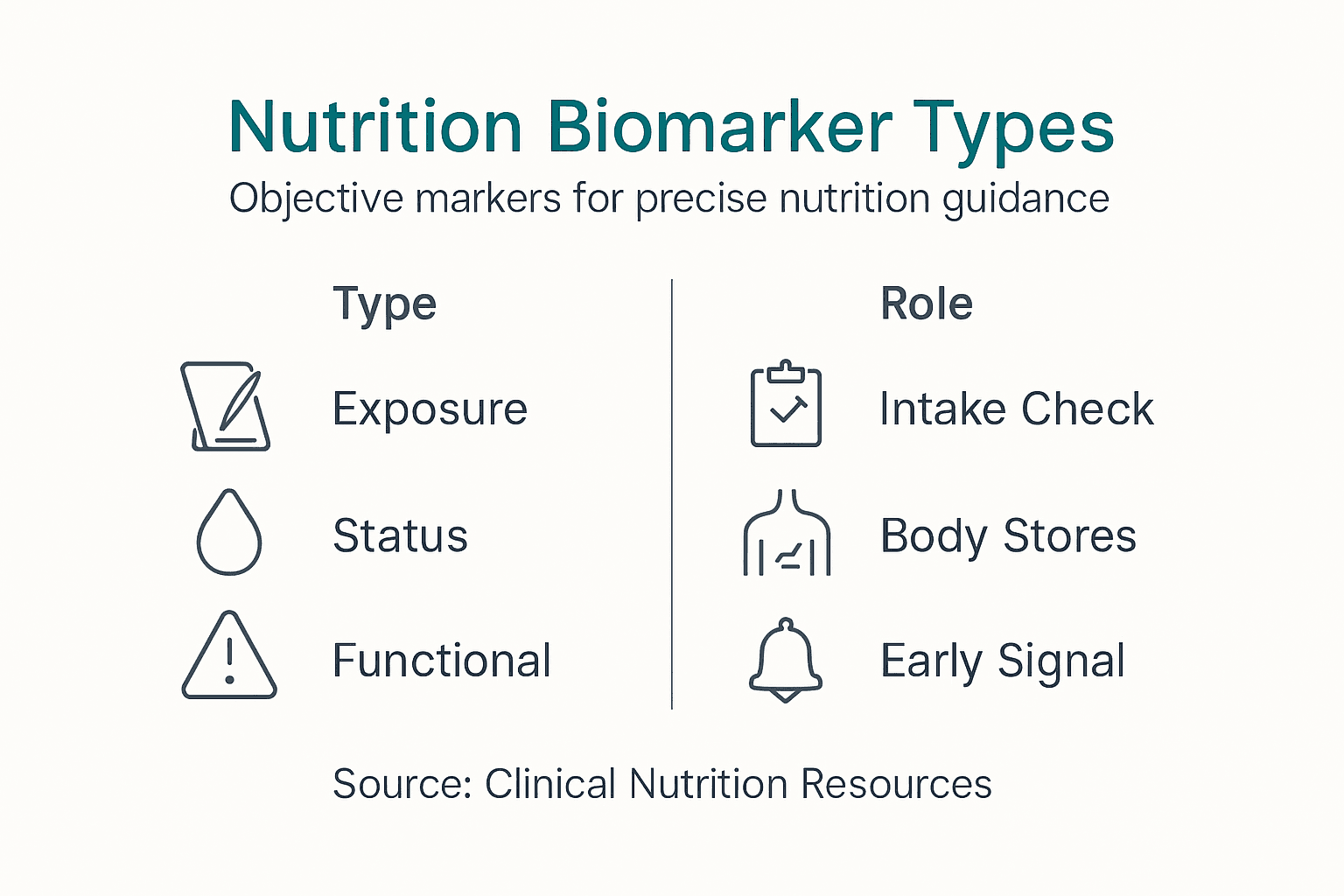
These markers fall into three broad classes. Exposure biomarkers measure recent dietary intake of specific nutrients or food compounds. Status biomarkers reflect body stores and concentrations of nutrients like vitamins or minerals. Functional biomarkers reveal physiological or metabolic responses indicating how well nutrients are being utilized at the cellular level.
This classification matters because each type informs different intervention strategies. Exposure markers help verify compliance and dietary patterns. Status markers identify deficiencies or excesses requiring supplementation adjustments. Functional markers detect subclinical problems before symptoms appear, enabling preventive action.
Common applications include assessing vitamin D levels through serum 25(OH)D, iron stores via ferritin, omega-3 status using red blood cell fatty acid profiles, and inflammation through C-reactive protein. Understanding types of biomarkers empowers you to select appropriate tests for each client situation.
Biomarkers form the foundation for moving nutrition practice from generalized recommendations to precision interventions. They bridge the gap between dietary theory and measurable health outcomes, giving you concrete targets to monitor and adjust throughout the client journey.
Understanding Nutritional Biomarkers: Types and Roles
Grasping the distinctions between biomarker categories sharpens your assessment accuracy and intervention timing. Each type serves unique purposes in building comprehensive nutrition strategies.
Exposure biomarkers capture recent dietary intake, acting as verification tools for nutritional compliance. Examples include urinary nitrogen reflecting protein intake or plasma carotenoids indicating fruit and vegetable consumption. These markers help confirm whether clients follow recommended eating patterns.
Status biomarkers measure nutrient concentrations in blood, tissues, or other biological samples, revealing body stores. Serum 25-hydroxyvitamin D for vitamin D status and plasma zinc concentrations exemplify this category. Biomarkers of exposure, status, and function each provide distinct data critical for nutritional assessment.
Functional biomarkers detect physiological changes resulting from nutrient adequacy or deficiency. These include enzyme activities, immune responses, or metabolic byproducts that signal how nutrients affect cellular processes. Hemoglobin and hematocrit reveal functional iron status beyond simple ferritin measurement. Homocysteine levels indicate functional vitamin B12 and folate status affecting cardiovascular health.
The power of functional markers lies in early detection. They identify subclinical deficiencies before obvious symptoms emerge, allowing you to intervene proactively rather than reactively. This prevents progression to clinical disease states.
Pro tip: Combine multiple biomarker types for layered assessment. Pair exposure markers with status markers to understand both intake patterns and body stores, then add functional markers to confirm physiological impact. This triangulation approach reduces interpretation errors and builds confidence in your nutrition recommendations.
Each biomarker type answers different clinical questions. Exposure markers ask “Is the client eating what they report?” Status markers ask “Does the client have adequate stores?” Functional markers ask “Are nutrients working properly at the cellular level?” Knowing which question matters most guides your nutritional biomarker types selection.
Why Biomarker Analysis Matters for Nutritionists
Integrating biomarker analysis elevates your practice from educated guessing to evidence-based precision. The contrast with traditional methods is striking.
Dietary recall and food frequency questionnaires suffer from memory bias, underreporting, and social desirability responses. Clients forget meals, misjudge portions, or report what they think you want to hear. Biomarker data provides objective nutrition status measures surpassing limitations of self-reports, delivering reliable snapshots of actual nutrient status regardless of reporting accuracy.
Biomarkers detect metabolic imbalances invisible to symptom-based assessment. Subclinical vitamin D insufficiency, marginal zinc status, or elevated inflammatory markers often exist without obvious signs. Catching these issues early prevents progression and optimizes client outcomes before problems compound.
Precision improves dramatically when you base recommendations on measured data rather than population averages. Two clients with similar diets may have vastly different biomarker profiles due to genetics, absorption efficiency, or metabolic rate. Biomarker-guided plans account for this biological individuality.
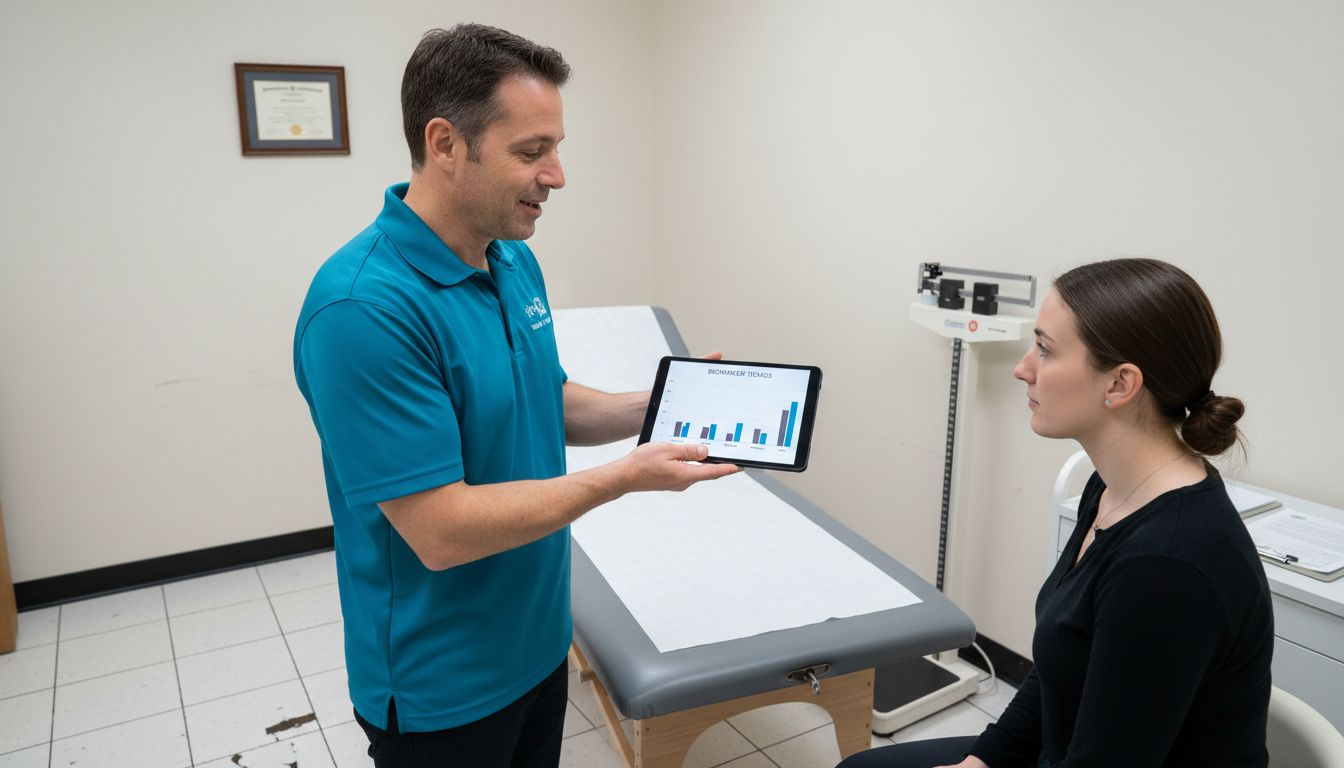
Pro tip: Request comprehensive panels rather than single markers. Isolated measurements miss interactions and can mislead. For example, assessing iron status requires ferritin, transferrin saturation, and hemoglobin together because one marker alone presents incomplete pictures. Panel approaches improve biomarker interpretation reliability.
Benefits extend to chronic disease management:
- Track inflammation markers like CRP to assess cardiovascular risk and intervention effectiveness
- Monitor blood lipid profiles guiding heart-healthy dietary modifications
- Measure HbA1c for diabetes risk assessment and glycemic control evaluation
- Assess oxidative stress markers indicating cellular damage and antioxidant needs
- Evaluate hormone markers influencing metabolism and body composition
Biomarker analysis also strengthens client communication. Showing measurable improvements through follow-up testing motivates adherence better than subjective “feel better” reports. Clients value concrete proof their nutrition changes work, building trust in your expertise and biomarker benefits for nutritionists in practice growth.
Key Biomarkers Nutritionists Use and Interpret
Certain biomarkers appear frequently in nutrition practice due to their clinical validity and actionable insights. Understanding reference ranges and interpretation nuances ensures accurate application.
| Biomarker | Sample Type | Reference Range | Clinical Interpretation |
|---|---|---|---|
| 25-Hydroxyvitamin D | Serum | 30-50 ng/mL optimal | <20 ng/mL deficiency; 20-30 ng/mL insufficiency; >50 ng/mL adequate |
| Ferritin | Serum | 30-200 ng/mL | <30 ng/mL indicates depleted iron stores; <12 ng/mL severe deficiency |
| Plasma Zinc | Plasma | 70-120 μg/dL | <70 μg/dL suggests deficiency; affected by inflammation and fasting status |
| HbA1c | Whole blood | <5.7% normal | 5.7-6.4% prediabetes; ≥6.5% diabetes; reflects 3-month glucose average |
| hs-CRP | Serum | <1.0 mg/L low risk | 1.0-3.0 mg/L moderate; >3.0 mg/L high cardiovascular risk |
Serum 25-hydroxyvitamin D, ferritin, and plasma zinc are validated biomarkers with clinical cutoffs guiding nutrition interventions. However, numbers alone tell incomplete stories.
Biological variability impacts readings. Zinc levels drop during acute inflammation regardless of true deficiency. Ferritin rises with infection or liver disease independent of iron status. Always interpret biomarkers within clinical context, considering symptoms, health history, medications, and lifestyle factors.
Timing matters too. Some markers fluctuate daily or seasonally. Vitamin D levels peak after summer sun exposure and decline in winter. Fasting status affects glucose and lipid measurements. Standardize testing conditions when tracking changes over time.
Additional relevant biomarkers include:
- Homocysteine for B vitamin status and cardiovascular risk
- Red blood cell folate for long-term folate status
- Magnesium (RBC or serum) for muscle function and metabolic health
- Omega-3 index for cardiovascular protection assessment
- Thyroid markers (TSH, T3, T4) affecting metabolism
Fitting biomarker results into assessment workflows requires systematic approaches. Start with comprehensive panels establishing baseline status. Identify deficiencies or imbalances requiring intervention. Design targeted nutrition plans addressing specific findings. Retest after appropriate intervals to confirm improvements and adjust strategies.
Common nutrition biomarkers provide objective anchors for your clinical reasoning, transforming abstract recommendations into measurable targets.
Common Misconceptions and Interpretation Challenges
Even experienced nutritionists encounter pitfalls when analyzing biomarker data. Recognizing these issues prevents errors and improves client outcomes.
Frequent misconceptions include:
- Assuming biomarkers replace comprehensive clinical assessment rather than complement it
- Believing all biomarker tests offer equal reliability and validity across populations
- Thinking interpretation complexity makes biomarker analysis impractical for daily practice
- Expecting single measurements to provide complete nutritional pictures
- Treating reference ranges as absolute rather than population-based guidelines
Biomarker levels can vary biologically and technically; interpretation must consider context to avoid misdiagnosis. Biological variability stems from genetics, age, sex, ethnicity, circadian rhythms, and health status. Technical variability arises from sample collection methods, storage conditions, and laboratory assay differences.
This variability explains why identical biomarker values may indicate different nutritional states in different clients. A ferritin level of 40 ng/mL might be adequate for one person but insufficient for an endurance athlete with higher iron turnover. Population reference ranges provide starting points, not absolute answers.
“Interpreting biomarkers without clinical context is like reading a single chapter and claiming to understand the entire book. Multiple data points paint the complete picture.”
Overcoming challenges requires:
- Using multiple biomarkers assessing the same nutrient from different angles
- Considering client-specific factors like inflammation, medications, and chronic conditions
- Tracking trends over time rather than relying on single snapshots
- Consulting updated literature on emerging biomarker research and validation studies
- Collaborating with physicians when findings suggest medical intervention needs
Another challenge involves distinguishing correlation from causation. Biomarkers may reflect disease processes rather than cause them. Elevated CRP indicates inflammation but doesn’t specify the source. Low vitamin D might result from illness rather than dietary insufficiency. Critical thinking separates markers requiring nutrition intervention from those needing medical investigation.
Common biomarker interpretation mistakes often stem from oversimplification. Embrace complexity by building interpretation frameworks that account for biological individuality and contextual factors.
Technological Advances Supporting Biomarker Analysis
Emerging technologies are revolutionizing how nutritionists discover, measure, and interpret biomarkers, making sophisticated analysis more accessible and actionable.
Metabolomics uses mass spectrometry to simultaneously measure hundreds or thousands of metabolites in biological samples. This comprehensive approach identifies novel biomarkers reflecting complex dietary patterns and metabolic states. Unlike single-marker assays, metabolomic profiles capture interactions between nutrients, revealing personalized metabolic signatures.
Mass spectrometry-based metabolomics and AI tools are advancing biomarker identification and personalized nutrition recommendation accuracy. These technologies detect subtle metabolic shifts indicating early nutritional imbalances before conventional markers show abnormalities.
Artificial intelligence and machine learning algorithms process complex biomarker datasets, identifying patterns invisible to human analysis. AI tools integrate multiple markers with genetic data, lifestyle factors, and health outcomes, generating personalized nutrition recommendations based on thousands of similar cases. This computational power transforms raw data into actionable insights.
Key technological innovations include:
- High-resolution mass spectrometry enabling precise measurement of trace metabolites
- Wearable sensors providing continuous biomarker monitoring beyond single blood draws
- Point-of-care testing devices delivering rapid results in clinical settings
- Cloud-based platforms integrating biomarker data with electronic health records
- Predictive algorithms forecasting health risks from biomarker trajectories
These advances improve detection sensitivity, catching nutritional issues at earlier stages. They also enhance personalization by accounting for genetic variations affecting nutrient metabolism. For example, AI can identify individuals with genetic polymorphisms requiring higher vitamin D supplementation despite normal dietary intake.
Challenges remain, including cost barriers limiting widespread adoption and data integration complexities across different laboratory platforms. Standardization efforts aim to make advanced biomarker analysis more affordable and accessible for routine nutrition practice.
Staying current with technological advances in biomarker analysis positions you at the forefront of nutrition innovation, offering clients cutting-edge assessment tools.
Applications of Biomarker Analysis in Personalized Nutrition
Biomarker-guided interventions deliver superior outcomes compared to generic nutrition plans by targeting individual metabolic needs precisely.
| Approach | Traditional Nutrition Plan | Biomarker-Guided Plan |
|---|---|---|
| Assessment basis | Dietary recall, symptoms | Objective lab measurements |
| Intervention precision | Population-based guidelines | Individual metabolic data |
| Monitoring method | Subjective feedback | Quantifiable biomarker changes |
| Adjustment triggers | Symptom persistence | Measured marker improvements |
| Outcome confidence | Moderate, relies on reporting | High, data-driven validation |
Biomarker analysis enables precise dietary supplementation and chronic disease risk management by nutritionists. This precision extends across multiple applications.
Biomarker-guided supplementation tailors dosing to measured deficiencies rather than using one-size-fits-all protocols. A client with 25(OH)D of 15 ng/mL needs aggressive vitamin D repletion, while someone at 35 ng/mL requires only maintenance. Testing confirms when therapeutic targets are reached, preventing both under- and over-supplementation.
Chronic disease management applications include:
- Cardiovascular risk reduction by normalizing lipid profiles and inflammation markers through targeted dietary fats and antioxidants
- Diabetes prevention and control using HbA1c and fasting glucose to guide carbohydrate quality and timing interventions
- Metabolic syndrome reversal tracked through insulin sensitivity markers and anthropometric changes
- Inflammatory condition management monitored via CRP and cytokine profiles responding to anti-inflammatory nutrition protocols
- Cognitive health optimization using omega-3 index and homocysteine to guide brain-supporting nutrients
Case examples demonstrate impact. A client with elevated CRP and suboptimal omega-3 index received targeted fatty fish and supplement recommendations. Follow-up testing three months later showed CRP reduction from 4.2 to 1.8 mg/L and omega-3 index improvement from 4% to 7%, correlating with reduced joint pain and better cardiovascular markers.
Another client with HbA1c of 6.1% received biomarker-informed carbohydrate modification and chromium supplementation based on low serum chromium levels. Six-month retest revealed HbA1c decline to 5.4% and normalized chromium status, preventing progression to diabetes.
Biomarker monitoring enables dynamic plan adjustments. Rather than waiting for symptoms to worsen or scheduling arbitrary follow-ups, you retest when interventions should show measurable effects. Rising markers signal inadequate responses requiring strategy changes. Improving markers confirm effective interventions worth maintaining.
Long-term health improvements become visible through biomarker trends. Declining inflammation markers, optimizing nutrient status panels, and improving metabolic health indicators provide concrete evidence your nutrition strategies work. This builds client confidence and demonstrates professional value.
Biomarker-driven nutrition applications transform abstract health goals into measurable milestones, creating clear paths from current status to optimal wellness.
Conclusion and Integration into Nutrition Practice
Biomarker analysis represents a paradigm shift in nutrition practice, moving from subjective assessment to objective, measurable, personalized interventions. Understanding biomarker types, interpretation principles, technological tools, and clinical applications equips you to deliver superior client outcomes.
Integrating biomarker data into your workflow follows a systematic framework:
- Establish client baseline through comprehensive biomarker panels assessing nutritional status, metabolic health, and disease risk markers
- Interpret results within clinical context, considering symptoms, health history, medications, and lifestyle factors alongside laboratory values
- Design targeted nutrition interventions addressing specific biomarker findings with evidence-based dietary modifications and supplementation
- Set measurable goals with timeframes for biomarker improvements aligned with intervention mechanisms and expected response rates
- Schedule follow-up testing at appropriate intervals to confirm improvements and identify needs for plan adjustments
- Communicate findings and progress to clients using clear explanations that build understanding and motivation for adherence
- Document biomarker trends over time, creating longitudinal records demonstrating intervention effectiveness and health trajectory
Ethical considerations include respecting client autonomy in testing decisions, maintaining data privacy, and recognizing scope of practice boundaries. Refer abnormal findings requiring medical diagnosis or treatment to appropriate healthcare providers. Biomarkers inform nutrition interventions but don’t replace comprehensive medical care.
Interpretation challenges persist despite best practices. Biological variability, technical limitations, and evolving scientific understanding mean uncertainty remains inherent in biomarker analysis. Embrace this reality by maintaining intellectual humility, staying current with research, and viewing biomarkers as tools enhancing rather than replacing clinical judgment.
The future of biomarker-based nutrition looks promising. Expanding metabolomics databases, improving AI interpretation algorithms, and declining testing costs will make sophisticated biomarker analysis increasingly accessible. Personalized nutrition will shift from niche service to standard practice as evidence demonstrating superior outcomes accumulates.
Adopt biomarker analysis as a core competency to differentiate your practice and optimize client results. Start with established, validated markers before exploring emerging biomarkers. Build interpretation skills through continuing education and collaboration with experienced practitioners. Invest in quality laboratory partnerships ensuring accurate, reliable results.
Your clients deserve nutrition guidance grounded in their unique biological reality rather than population averages. Biomarker analysis provides that precision, transforming your recommendations from educated estimates to data-driven solutions.
Explore Advanced Biomarker Testing and Interpretation Solutions
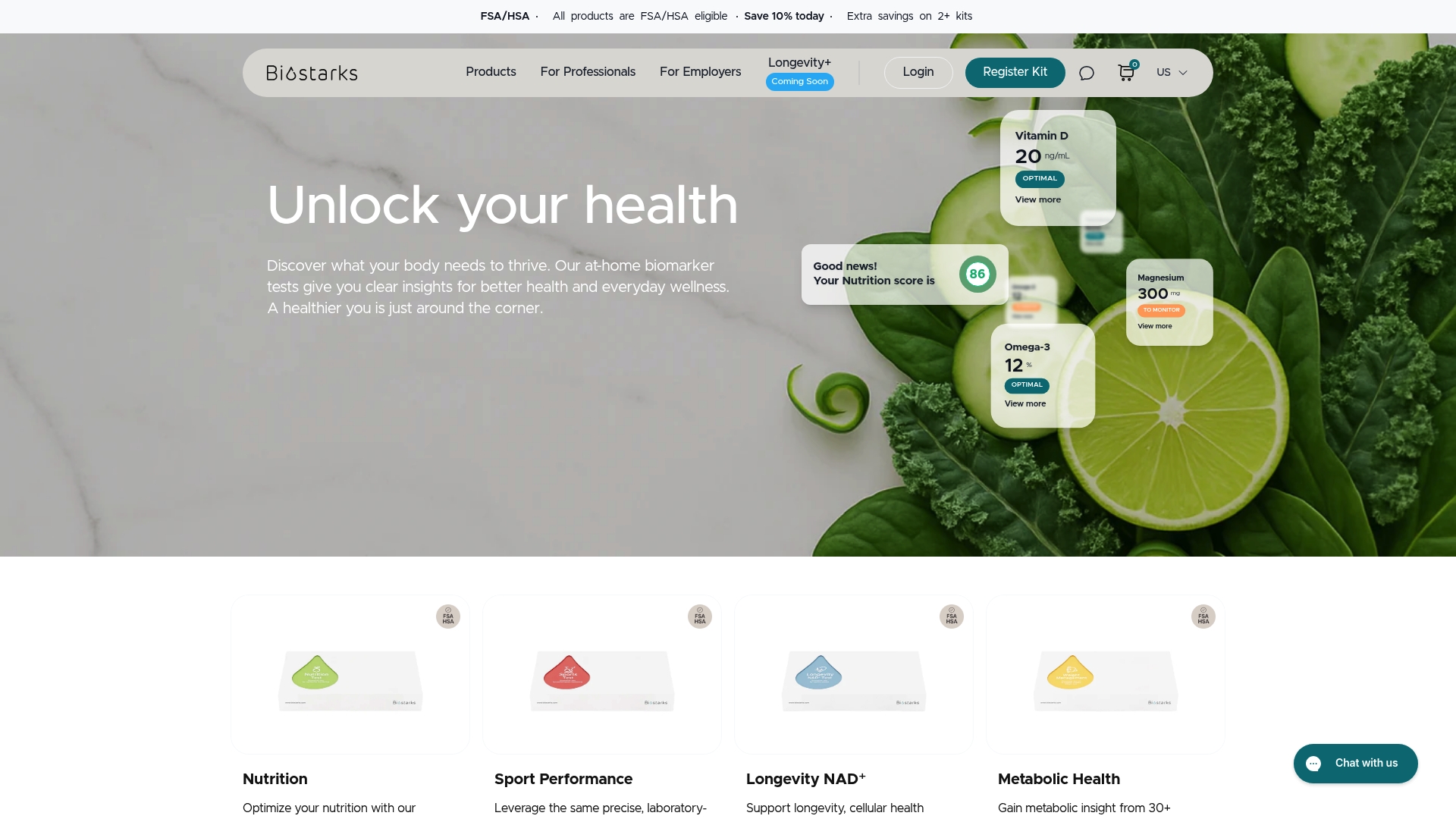
Elevating your nutrition practice requires access to sophisticated testing and interpretation resources that translate complex laboratory data into actionable client insights. Biostarks offers comprehensive biomarker testing services designed specifically for health professionals seeking precision nutrition tools. Our Swiss mass spectrometry technology delivers detailed analysis across vitamins, hormones, metabolic markers, and inflammatory indicators.
Streamline your workflow with our biomarker interpretation workflow guide, providing step-by-step frameworks for integrating test results into personalized nutrition plans. Access advanced lab testing solutions that bridge diagnostic complexity and practical application, empowering you to confidently implement biomarker-guided interventions. Transform your practice by leveraging professional-grade tools that simplify data integration while maintaining scientific rigor.
Frequently Asked Questions
What types of nutritional biomarkers should nutritionists prioritize?
Prioritize clinically validated biomarkers with established reference ranges and clear intervention pathways. Start with foundational status markers like vitamin D, iron (ferritin), and key metabolic indicators (HbA1c, lipid panel). Add functional markers based on client symptoms and health goals, such as inflammation markers for cardiovascular risk or homocysteine for B vitamin status. Combining multiple biomarker types provides holistic assessment superior to isolated measurements.
How can nutritionists manage biological variability in biomarker results?
Use multiple testing points over time rather than basing decisions on single measurements. Standardize testing conditions including fasting status, time of day, and recent supplement intake to minimize technical variability. Interpret results within full clinical context, considering inflammation, medications, chronic conditions, and other factors affecting biomarker levels. Track trends and patterns rather than fixating on absolute values, recognizing individual baselines vary.
What technological tools assist biomarker data interpretation?
Mass spectrometry-based metabolomics platforms enable comprehensive profiling of hundreds of metabolites simultaneously, revealing complex nutritional patterns. AI and machine learning algorithms integrate large biomarker datasets with genetic information and health outcomes, generating personalized nutrition recommendations. Emerging software tools provide decision support by comparing client biomarker profiles against extensive databases, identifying optimal intervention strategies. Cloud-based platforms facilitate data sharing between nutritionists and clients, improving communication and adherence.
How do biomarker analyses improve chronic disease management in nutrition?
Biomarkers identify specific risk factors like inflammation, oxidative stress, or metabolic dysfunction that nutrition interventions can target directly. Tracking marker changes confirms intervention effectiveness, allowing evidence-based plan adjustments rather than guessing. Regular monitoring enables proactive management by catching deteriorating markers before clinical symptoms develop. Personalized supplementation and dietary modifications guided by biomarker data address root causes rather than managing symptoms alone, improving long-term outcomes for conditions like cardiovascular disease, diabetes, and metabolic syndrome.


