

Sorting out what’s true about metabolic health can feel confusing when old ideas focus only on weight or appearance. For many health-minded individuals, the real story is much deeper, shaped by the way the body manages energy and responds to daily habits. Understanding metabolic biomarkers and taking advantage of accurate home testing opens the door to practical insights that drive better performance and lasting wellness.
Table of Contents
- Defining Metabolic Health And Misconceptions
- Metabolic Biomarkers: Types And Functions
- How Biomarker Testing Works At Home
- Real-World Benefits: Longevity And Performance
- Risks Of Poor Metabolic Health And Early Detection
- Personalized Data: Making Actionable Lifestyle Changes
Key Takeaways
| Point | Details |
|---|---|
| Metabolic Health is Multifaceted | True metabolic health goes beyond body weight, incorporating energy processing, internal balance, and lifestyle factors. |
| Importance of Biomarkers | Metabolic biomarkers, like glucose levels and lipid profiles, offer vital insights into one’s health status and risk factors. |
| Home Testing Revolution | At-home biomarker testing provides convenient access to health data, allowing for proactive management of metabolic health. |
| Personalized Approach | Tailoring lifestyle changes based on individual metabolic data can optimize health outcomes and long-term wellness. |
Defining Metabolic Health and Misconceptions
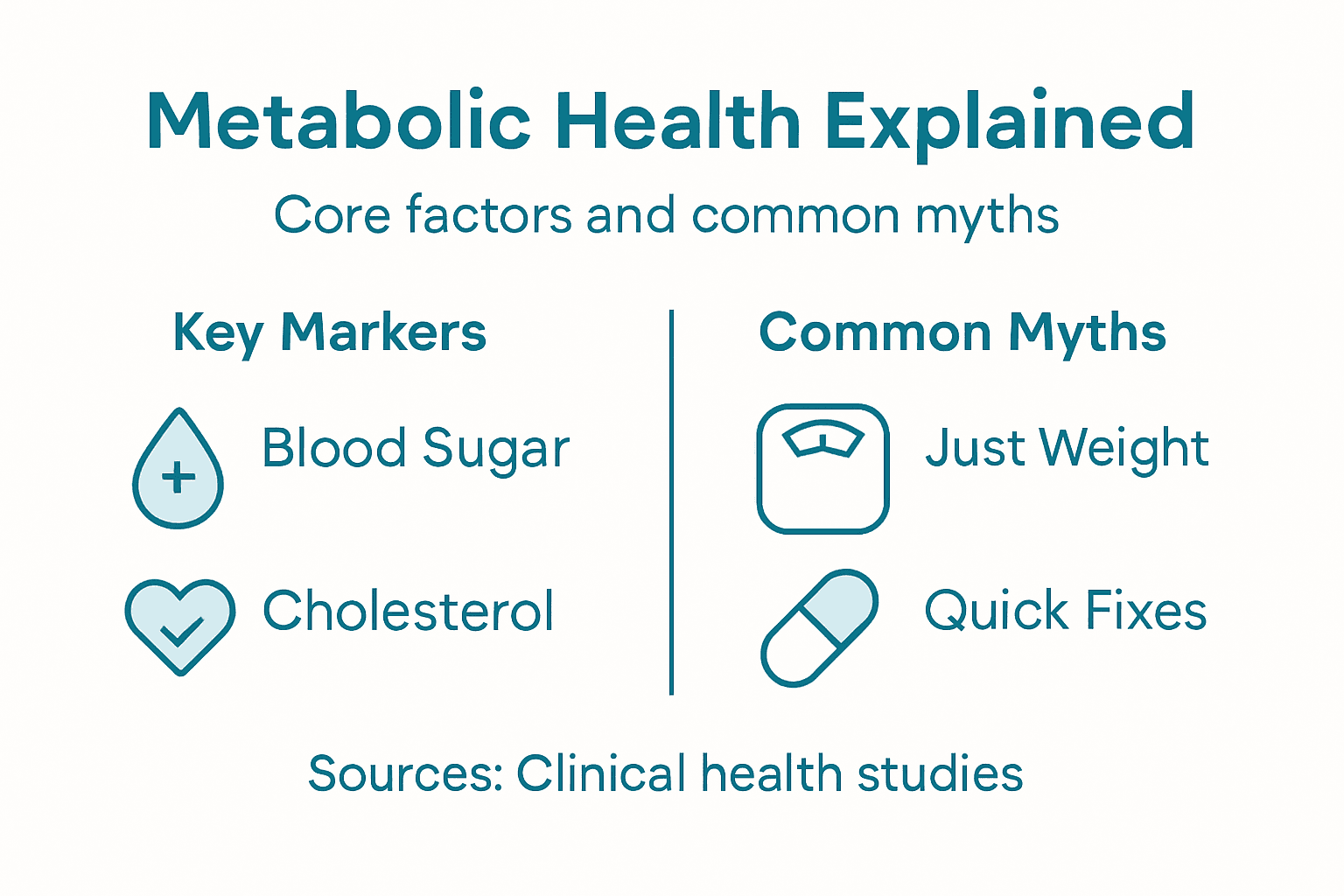
Metabolic health represents a complex, multifaceted state of physiological balance that extends far beyond traditional weight measurements. While many people assume metabolic wellness is simply about body mass, research reveals a much more nuanced reality. Metabolic health fundamentally describes how efficiently your body processes energy, converting nutrients into cellular fuel while maintaining optimal internal functioning.
Contrary to popular belief, metabolic health is not exclusively tied to body weight. Metabolic syndrome encompasses a cluster of interconnected conditions that significantly increase health risks, including:
- Elevated blood pressure
- Abnormal blood glucose levels
- Irregular cholesterol profiles
- Excessive abdominal fat
- Insulin resistance
Scientific studies demonstrate that metabolic health definitions vary across different research contexts, highlighting the complexity of this biological marker. One critical insight is that many individuals with seemingly normal body weight can still exhibit metabolic dysfunction, challenging traditional health assumptions.
The primary misconception is viewing metabolic health through a simplistic lens of weight and appearance. In reality, internal biochemical processes, genetic factors, lifestyle choices, and environmental influences all play crucial roles in determining metabolic wellness. Blood glucose regulation, lipid metabolism, and hormonal balance are far more indicative of true metabolic health than external physical characteristics.
Pro tip: Request comprehensive metabolic panel testing to gain precise insights into your body’s internal performance beyond surface-level health metrics.
Metabolic Biomarkers: Types and Functions
Metabolic biomarkers represent critical biological indicators that provide profound insights into our body’s internal functioning and overall health status. Metabolic biomarkers encompass a wide range of measurable substances that reveal essential information about how efficiently our body processes energy, manages inflammation, and maintains critical physiological balance.
The primary categories of metabolic biomarkers include:
-
Glucose Regulation Markers
- Fasting blood glucose
- Hemoglobin A1c
- Insulin levels
-
Lipid Profile Markers
- Total cholesterol
- LDL and HDL cholesterol
- Triglycerides
-
Inflammatory Markers
- C-reactive protein
- Interleukins
- Tumor necrosis factor
Metabolic syndrome is characterized by a complex interplay of these biomarkers, with specific inflammatory and metabolic indicators signaling potential health risks. Key markers like adiponectin and leptin play crucial roles in understanding energy metabolism, fat distribution, and potential metabolic dysfunctions.
Understanding these biomarkers goes beyond simple numeric measurements. They represent intricate signals of how lifestyle, genetics, and environmental factors interact within our body’s metabolic ecosystem. Tracking these markers provides a comprehensive view of metabolic health, allowing for early detection and proactive management of potential metabolic disorders.
Here’s a summary of key metabolic biomarkers and their typical clinical significance:
| Biomarker Category | Example Marker | What It Indicates | Typical Clinical Use |
|---|---|---|---|
| Glucose Regulation | Hemoglobin A1c | Long-term glucose control | Diabetes risk assessment |
| Lipid Profile | HDL cholesterol | Cardioprotective lipid level | Heart disease prevention |
| Inflammatory Marker | C-reactive protein | Systemic inflammation status | Chronic disease monitoring |
| Hormonal Regulation | Adiponectin | Insulin sensitivity level | Metabolic syndrome evaluation |
Pro tip: Request a comprehensive metabolic panel that includes multiple biomarker categories to gain a holistic understanding of your metabolic health.
How Biomarker Testing Works At Home
At-home health testing has revolutionized personal wellness by bringing sophisticated diagnostic technologies directly to individuals. Modern biomarker testing eliminates the need for traditional clinical visits, allowing people to collect precise health data from the comfort of their own homes using advanced collection kits and user-friendly protocols.
The typical at-home biomarker testing process involves several key steps:
-
Sample Collection
- Finger-prick blood sample
- Saliva swab
- Dried blood spot collection
-
Sample Preparation
- Careful handling of biological material
- Following precise kit instructions
- Ensuring proper storage and transportation
-
Laboratory Analysis
- Advanced mass spectrometry techniques
- Comprehensive biomarker screening
- Detailed result interpretation
Innovative biosensors have dramatically transformed home testing capabilities. Advanced microfluidic technologies now enable rapid, sensitive biomarker detection using minimal bodily fluid volumes. These cutting-edge devices can analyze complex physiological signals with unprecedented accuracy, providing real-time health insights previously only accessible through specialized medical facilities.

The integration of artificial intelligence and sophisticated analytical algorithms further enhances the precision of at-home biomarker testing. By transforming raw biological data into comprehensive, actionable health reports, these technologies empower individuals to take proactive control of their metabolic wellness and make informed lifestyle decisions.
Compare traditional in-clinic versus at-home metabolic health testing methods:
| Factor | Traditional Clinic | At-Home Testing |
|---|---|---|
| Convenience | Requires scheduled appointments | Performed anytime at home |
| Data Access | Results via medical staff | Direct digital access to reports |
| Sample Collection | Phlebotomy or urine samples | Finger-prick or saliva swabs |
| Technology Integration | Standard lab analysis | AI-enhanced, real-time insights |
Pro tip: Read and follow collection kit instructions meticulously to ensure the most accurate test results possible.
Real-World Benefits: Longevity and Performance
Metabolic health tracking offers profound implications for individual performance and long-term wellness. Understanding how our body processes energy, manages inflammation, and maintains cellular efficiency becomes a critical strategy for optimizing human potential across physical and cognitive domains.
The key performance and longevity benefits include:
-
Physical Performance Optimization
- Enhanced muscle recovery
- Improved energy metabolism
- Better endurance and strength
-
Cognitive Function Improvements
- Sharper mental clarity
- Reduced cognitive fatigue
- Enhanced neuroplasticity
-
Preventative Health Strategies
- Early metabolic dysfunction detection
- Personalized intervention planning
- Chronic disease risk reduction
Metabolic switching represents a groundbreaking concept in performance science. Digital monitoring enables precise metabolic optimization through tracking energy utilization between glucose and ketone metabolisms, providing athletes and health-conscious individuals unprecedented insights into their physiological adaptability.
Beyond immediate performance metrics, consistent metabolic health tracking contributes to long-term wellness by identifying potential health risks before they become chronic conditions. This proactive approach transforms health management from reactive treatment to intelligent, data-driven prevention, empowering individuals to make informed lifestyle choices that support optimal aging and sustained peak performance.
Pro tip: Integrate periodic metabolic health assessments into your wellness routine to continuously fine-tune your performance and longevity strategies.
Risks of Poor Metabolic Health and Early Detection
Metabolic syndrome represents a critical health challenge that silently undermines individual wellness across multiple physiological systems. This complex constellation of interconnected risk factors can transform seemingly minor health deviations into significant long-term medical complications if left unaddressed.
The primary risk factors associated with poor metabolic health include:
-
Cardiovascular Risks
- High blood pressure
- Elevated cholesterol levels
- Increased heart disease probability
-
Metabolic Dysfunction Indicators
- Insulin resistance
- Abnormal blood glucose
- Impaired fat metabolism
-
Systemic Health Implications
- Chronic inflammation
- Increased cancer risks
- Accelerated cellular aging
Metabolic syndrome encompasses a dangerous cluster of conditions that dramatically increase disease vulnerability. Early identification through comprehensive screening enables proactive interventions that can significantly mitigate potential health risks before they escalate into chronic diseases.
The profound interconnectedness of metabolic health markers means that a single disrupted pathway can trigger cascading negative effects throughout the body. By understanding these complex relationships, individuals can make targeted lifestyle modifications that interrupt potential disease progression and support long-term physiological resilience.
Pro tip: Schedule annual comprehensive metabolic health screenings to catch potential risks before they become serious health challenges.
Personalized Data: Making Actionable Lifestyle Changes
Personalized nutrition transforms health data into targeted, actionable strategies that empower individuals to optimize their metabolic wellness through precise, individualized interventions. By integrating comprehensive biological insights, individuals can move beyond generic health recommendations and develop nuanced approaches tailored to their unique physiological landscape.
Key strategies for translating personalized health data into lifestyle changes include:
-
Dietary Modifications
- Targeted nutrient intake
- Personalized meal planning
- Metabolism-specific food choices
-
Exercise Optimization
- Customized workout intensity
- Recovery-focused training
- Metabolic response tracking
-
Stress Management
- Biologically informed techniques
- Hormone regulation strategies
- Sleep optimization protocols
Metabolic data interpretation represents a powerful tool for behavioral change. Wearable technologies and health monitoring support sustained lifestyle interventions by providing continuous, real-time feedback about individual physiological responses.
The transformative potential of personalized data lies in its ability to create a dynamic, responsive approach to health management. By understanding the intricate interactions between lifestyle choices and metabolic markers, individuals can design precise interventions that address their specific physiological needs, moving from reactive healthcare to proactive wellness optimization.
Pro tip: Create a monthly review process to analyze your metabolic data and systematically adjust your lifestyle strategies.
Take Control of Your Metabolic Health with Precision Testing
Understanding your metabolic health requires more than just guessing your weight or scanning the surface. The article highlights the importance of tracking actionable metabolic biomarkers such as glucose regulation, lipid profiles, and inflammatory markers to identify risks early and optimize your performance and longevity. If you want clear, personalized insights that go beyond traditional measures and empower you to make informed lifestyle changes, it is time to consider advanced testing solutions designed for you.

Explore the comprehensive testing options at Biostarks | Collection to unlock a deeper understanding of your metabolic function. With state-of-the-art Swiss mass spectrometry technology and user-friendly at-home sample collection, you can obtain detailed reports on vitamins, hormones, amino acids, and metabolic markers. Take your wellness journey further by visiting Biostarks to learn how you can use personalized biomarker data to transform your health. Start now and make early detection and tailored interventions the foundation for your long-term vitality.
Frequently Asked Questions
What is metabolic health and why is it important?
Metabolic health is a multifaceted state of physiological balance that goes beyond weight. It describes how efficiently your body processes energy and manages critical functions, which is crucial for overall wellness and the prevention of chronic diseases.
How do metabolic markers indicate overall health?
Metabolic markers, such as blood glucose levels and lipid profiles, provide insights into how well your body processes energy and manages inflammation. These biomarkers help identify potential health risks before they escalate into chronic conditions.
What are the benefits of tracking metabolic health at home?
Tracking metabolic health at home offers convenience and privacy, allowing individuals to monitor key health indicators with advanced testing kits. This proactive approach to health management helps in early detection of potential metabolic dysfunction and supports informed lifestyle choices.
How can personalized data improve my wellness strategies?
Personalized data enables tailored health strategies by translating complex biological insights into actionable lifestyle changes. This helps individuals create customized diets, exercise plans, and stress management techniques that align with their unique metabolic profiles.
Recommended
- 7 Key Advantages of Metabolic Testing for Wel… | Biostarks
- 7 Key Biomarker Testing Benefits for Athletes… | Biostarks
- Why Use Biomarker Insights for Health Optimiz… | Biostarks
- Biomarker Testing: Unlocking Your Health Data | Biostarks
- 7 Ways to Take Better Care of Yourself in the New Year
- Personalized Fertility Care: Transforming Outcomes for Women 35+


