

TL;DR:
- Many people suffer from micronutrient deficiencies despite having access to sufficient food, impacting overall health. Testing blood levels of essential nutrients provides precise insights into individual deficiencies, guiding targeted interventions before symptoms appear. Regular, personalized nutrient assessments are crucial for optimal performance, especially for high-risk groups like athletes, vegans, and older adults.
Dietary sufficiency testing is the direct measurement of essential nutrient levels in your blood to determine whether your body has what it needs to function at its best. Most people assume a balanced diet covers all nutritional bases, but micronutrient deficiencies affect over 2 billion people globally, including populations with consistent access to food. Understanding why test dietary sufficiency matters goes beyond curiosity. It is the difference between guessing at your health and knowing it. Nutrients like vitamin D, iron, and vitamin B12 are routinely deficient even in health-conscious individuals, and the symptoms are often too vague to trace back to a specific cause without lab data.
Why test dietary sufficiency: the case for measuring what you eat
Standard nutrition advice is built around population averages. Your body is not average. The importance of dietary sufficiency lies in the gap between what you think you are consuming and what your cells are actually receiving. A diet that looks complete on paper can still leave you short on key micronutrients due to absorption issues, food quality, cooking methods, or genetic variation in nutrient metabolism.

Testing for nutrient deficiencies shifts the conversation from assumption to evidence. It gives you a precise snapshot of your internal nutritional status, which no food diary or symptom checklist can replicate. Personalized nutrient testing is the most direct way to prevent downstream chronic diseases by catching marginal deficiencies before they become clinical problems.
The shift from food security to nutrition security captures this idea precisely. Calorie counts alone are insufficient for lasting health. A person can be calorically replete and micronutrient depleted at the same time. Testing closes that gap with data.
What are common nutrient deficiencies and their hidden health effects?
The most prevalent deficiencies are not exotic. Vitamin D deficiency affects 42% of U.S. adults, and iron deficiency affects 25% of the global population. These are not fringe statistics. They represent the majority of people who feel functional but are operating below their physiological potential.
The problem with subclinical deficiencies is that their symptoms overlap with dozens of other conditions:
- Fatigue and low energy are the most common complaints linked to iron and B12 deficiency, yet they are also attributed to poor sleep, stress, and overtraining.
- Frequent illness often signals vitamin D or zinc insufficiency, but most people treat it as bad luck rather than a nutritional signal.
- Brain fog and poor concentration are associated with reduced cognitive performance of up to 15 to 25% in deficient individuals. That is a meaningful drop in output that most people never connect to nutrition.
- Mood instability can reflect low magnesium, B12, or folate, all of which are involved in neurotransmitter synthesis.
Nutrient deficiencies can also increase infection risk by 40%, which means the immune system is running at a structural disadvantage before any pathogen arrives.
“Hidden hunger” describes the state of being well-fed in calories but starved in micronutrients. It is widespread, largely invisible, and almost impossible to self-diagnose without blood data.
The unreliability of symptoms as a diagnostic tool is the core reason why evaluating dietary health through testing matters. Symptoms are downstream effects. By the time they appear, the deficiency has already been present long enough to affect cellular function.
How does laboratory testing assess dietary sufficiency accurately?
Not all nutrient tests are created equal. Single-nutrient assays measure one marker in isolation, which is useful for targeted follow-up but insufficient for a full nutritional picture. Comprehensive panels assess vitamins, minerals, amino acids, and functional markers together, revealing patterns that single tests miss.
The distinction between clinical reference ranges and optimal ranges is one of the most important concepts in nutritional testing. Standard lab reference ranges are designed to flag disease, not optimize performance. Optimal ranges are narrower and set at levels associated with peak physiological function.
| Nutrient | Clinical reference range | Optimal range |
|---|---|---|
| Vitamin D | 20–100 ng/mL | 40–60 ng/mL |
| Ferritin | 12–300 ng/mL | 30–150 ng/mL |
| Vitamin B12 | 200–900 pg/mL | 400–900 pg/mL |
A result that falls within the clinical range can still sit well below the optimal biomarker range for health and performance. This is why many people receive “normal” lab results while still experiencing fatigue, poor recovery, or cognitive sluggishness.
Test type also matters. Serum levels reflect recent intake, not tissue stores. Functional markers and RBC testing provide more stable, long-term measures of nutrient status because they are less affected by acute inflammation or short-term dietary changes. For iron, ferritin is a better indicator of stores than serum iron alone. For B12, methylmalonic acid is a functional marker that confirms whether B12 is actually being used at the cellular level.
Comprehensive nutrition panels typically cost between $200 and $400, while single-nutrient tests range from $20 to $80. Restoring a deficiency after testing generally takes 8 to 12 weeks with targeted supplementation and dietary changes.
Pro Tip: Ask for ferritin, not just serum iron, when testing for iron status. Serum iron fluctuates daily and can appear normal even when your stores are depleted.
Who benefits most from testing dietary sufficiency and why personalized assessment matters
The honest answer is that most adults benefit from periodic nutritional testing. But certain groups carry a structurally higher risk of deficiency and should treat regular nutrient testing as a non-negotiable part of their health routine.
- Athletes and high-output individuals deplete iron, magnesium, zinc, and B vitamins at accelerated rates through sweat, muscle repair, and energy metabolism. Training on a hidden deficiency limits adaptation and increases injury risk.
- Vegans and vegetarians face well-documented gaps in B12, iron, zinc, omega-3 fatty acids, and vitamin D. Plant-based sources of these nutrients often have lower bioavailability than animal-based sources, meaning intake on paper does not equal absorption in practice.
- Individuals with digestive conditions such as Crohn’s disease, celiac disease, or low stomach acid absorb nutrients poorly regardless of dietary quality. Testing is the only way to confirm whether absorption is adequate.
- Adults over 50 experience reduced absorption of B12, calcium, and vitamin D as a natural consequence of aging gut physiology.
- Individuals under chronic stress deplete magnesium and B vitamins faster than the general population.
Self-reported diet recall is notoriously inaccurate, even among nutrition-literate individuals. Studies consistently show that people underestimate caloric intake and overestimate micronutrient intake. Symptoms are equally unreliable because, as noted earlier, they appear late and overlap with unrelated conditions.
The distinction between food security and nutrition security is particularly relevant here. A person can have full access to food and still be nutritionally insufficient. Personalized testing is the mechanism that moves health management from population-level assumptions to individual-level precision.
How to use dietary sufficiency test results to improve health and performance
Receiving your results is the beginning of the process, not the end. The most common mistake after testing is making aggressive supplement changes based on a single data point without understanding the timeline for improvement.
- Set realistic timelines. Vitamin D levels take 12 to 16 weeks to reach optimal range after correcting intake. Iron stores take 3 to 6 months to rebuild fully. Expecting results in two weeks leads to premature dose escalation and potential toxicity.
- Avoid blind supplementation. Fat-soluble vitamins like A, D, E, and K accumulate in tissue and can reach toxic levels without monitoring. Testing before supplementing is the only way to know whether you need a supplement at all, and at what dose.
- Combine test results with dietary strategy. A low ferritin result calls for both supplemental iron and dietary changes, such as pairing iron-rich foods with vitamin C and avoiding calcium-rich foods at the same meal.
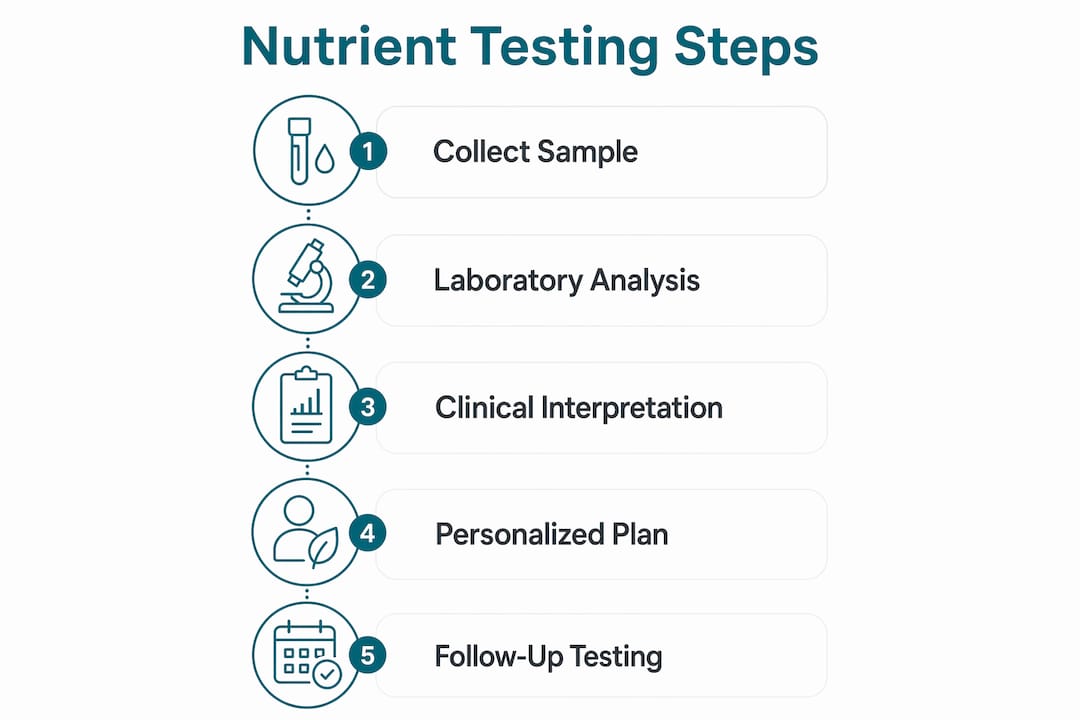
- Retest after the correction period. A follow-up test at 12 to 16 weeks confirms whether the intervention worked and whether the dose needs adjustment. This is where the data-driven approach pays off.
- Work with a qualified practitioner. Test results in isolation are data. Test results interpreted in the context of your symptoms, lifestyle, and health history become a clinical picture.
Pro Tip: If your vitamin D result is in the low-normal range (20–39 ng/mL), do not wait for it to drop further. Supplementing to reach the 40–60 ng/mL optimal range is supported by evidence and carries minimal risk when monitored.
The micronutrient deficiency guide from Biostarks provides a detailed breakdown of how specific deficiencies present and what correction strategies are most effective.
Key takeaways
Testing dietary sufficiency is the only reliable method to identify subclinical nutrient deficiencies, set targeted correction strategies, and confirm that interventions are working before symptoms become clinical problems.
| Point | Details |
|---|---|
| Symptoms are unreliable | Fatigue, brain fog, and poor immunity overlap with many conditions and appear after deficiency is already established. |
| Optimal ranges differ from clinical ranges | A “normal” lab result can still fall below the range needed for peak performance and long-term health. |
| High-risk groups need regular testing | Athletes, vegans, adults over 50, and those with digestive conditions face structurally higher deficiency risk. |
| Timelines require patience | Vitamin D takes 12 to 16 weeks and iron takes 3 to 6 months to restore. Premature changes undermine results. |
| Retesting confirms outcomes | A follow-up panel after the correction period is the only way to verify that an intervention actually worked. |
Why I think most people are testing too late and too little
I have spent years looking at biomarker data across a wide range of individuals, from elite athletes to desk workers who eat what most would call a healthy diet. The pattern I see repeatedly is this: people test when something is wrong, not before. They wait for fatigue to become debilitating or for a doctor to flag a result before they take nutritional status seriously.
The problem with that approach is that subclinical deficiencies do real damage over months and years before they cross any clinical threshold. The cognitive drag, the slower recovery, the blunted immune response. These are not dramatic events. They are quiet erosions of capacity that most people normalize because they have never experienced what sufficient nutrition actually feels like.
What I find most frustrating is the supplement industry’s role in this. Billions of dollars are spent annually on supplements taken without any baseline testing. People guess at their needs based on marketing, not data. Some of those supplements are unnecessary. Some are taken at the wrong dose. A few are genuinely harmful at the levels people self-prescribe.
The answer is not more supplements. The answer is better data. Test first, then act. Retest to confirm. That cycle, repeated consistently, is what separates reactive health management from genuinely proactive wellness. The biomiapp micronutrient guide makes a similar point: knowing your baseline changes every decision that follows.
— Romain
Start testing your nutritional status with Biostarks
Biostarks, an AMR Labs SA company, offers at-home biomarker testing panels that measure vitamins, minerals, amino acids, and metabolic markers using Swiss mass spectrometry. The process is straightforward: collect a sample at home, send it to the lab, and receive a detailed report with your results mapped against optimal ranges, not just clinical thresholds.

Every Biostarks report translates complex lab data into clear, prioritized insights so you know exactly where your nutritional gaps are and what to do about them. Whether you are an athlete tracking recovery markers or someone who wants to move from guessing to knowing, the Biostarks testing platform gives you the data to make decisions grounded in your actual physiology, not population averages.
FAQ
What does testing dietary sufficiency actually measure?
Dietary sufficiency testing measures blood levels of essential nutrients including vitamins, minerals, and amino acids to determine whether your body has adequate stores for normal physiological function. Results are compared against both clinical reference ranges and optimal performance ranges to give a complete picture of nutritional status.
How often should you test for nutrient deficiencies?
Most health-conscious adults benefit from testing once or twice per year, with high-risk groups such as athletes, vegans, and individuals with digestive conditions testing more frequently. A follow-up test 12 to 16 weeks after starting a correction protocol confirms whether the intervention is working.
Can you identify nutrient deficiencies from symptoms alone?
Symptoms alone cannot reliably identify nutrient deficiencies because fatigue, brain fog, and poor immunity overlap with dozens of unrelated conditions. Blood testing is the only method that confirms a deficiency with enough precision to guide targeted supplementation.
What is the difference between serum and functional nutrient testing?
Serum tests measure the amount of a nutrient circulating in your blood at the time of the test, which can be influenced by recent meals or inflammation. Functional markers and RBC tests reflect longer-term tissue status and are more reliable for assessing true nutritional sufficiency.
Is it safe to supplement without testing first?
Supplementing without testing risks taking nutrients you do not need, missing the ones you do, or exceeding safe doses for fat-soluble vitamins like A and D that accumulate in tissue. Testing first establishes your actual baseline and allows for precise, safe dosing.
This content is for educational purposes only and does not constitute medical advice. Always consult with a healthcare professional before making changes to your health regimen.


