

Every high performer and wellness enthusiast eventually faces the challenge of understanding what is truly happening inside their body. With so much at stake—whether striving for peak athletic results or seeking longevity—generic approaches often fall short. Biomarker testing offers an advanced way to track precise internal signals, giving you data-driven insights into your physiological health and helping you make informed decisions for optimal performance and well-being.
Table of Contents
- What Is Biomarker Testing and Why It Matters
- Key Types of Biomarkers Analyzed Today
- How At-Home Biomarker Testing Works
- Real-World Uses for Health Optimization
- Risks, Limitations, and Best Practices
Key Takeaways
| Point | Details |
|---|---|
| Biomarker Testing | Provides precise insights into health by analyzing molecular indicators, aiding proactive health management. |
| Types of Biomarkers | Key categories include Molecular, Physiological, and Radiographic biomarkers, each serving unique diagnostic roles. |
| At-Home Testing | Enables individuals to monitor health conveniently by collecting samples for laboratory analysis from home. |
| Risks and Best Practices | Requires careful interpretation due to potential inaccuracies; consultation with healthcare professionals is essential for maximizing diagnostic value. |
What Is Biomarker Testing and Why It Matters
Biomarker testing represents a groundbreaking approach to understanding your body’s internal health landscape by analyzing molecular indicators that reveal critical insights about biological processes, disease states, and overall wellness. At its core, biomarker testing provides a data-driven snapshot of your physiological condition, enabling proactive health management through precise scientific measurements.
In medical science, a biomarker is a measurable indicator that serves multiple essential functions. These molecular signals can trace biological states and conditions across various domains, including:
- Disease detection and progression monitoring
- Treatment response evaluation
- Physiological process tracking
- Personalized health risk assessment
Unlike traditional diagnostic methods that offer broad, generalized insights, biomarker testing provides granular, specific information about your body’s internal environment. Molecular biomarkers can reveal intricate details about your metabolism, hormonal balance, nutritional status, and potential health risks long before symptoms become apparent.
The power of biomarker testing lies in its ability to transform abstract medical data into actionable health intelligence. By measuring specific molecular indicators, healthcare professionals can develop targeted interventions, personalized nutrition plans, and precise treatment strategies tailored to an individual’s unique physiological profile.
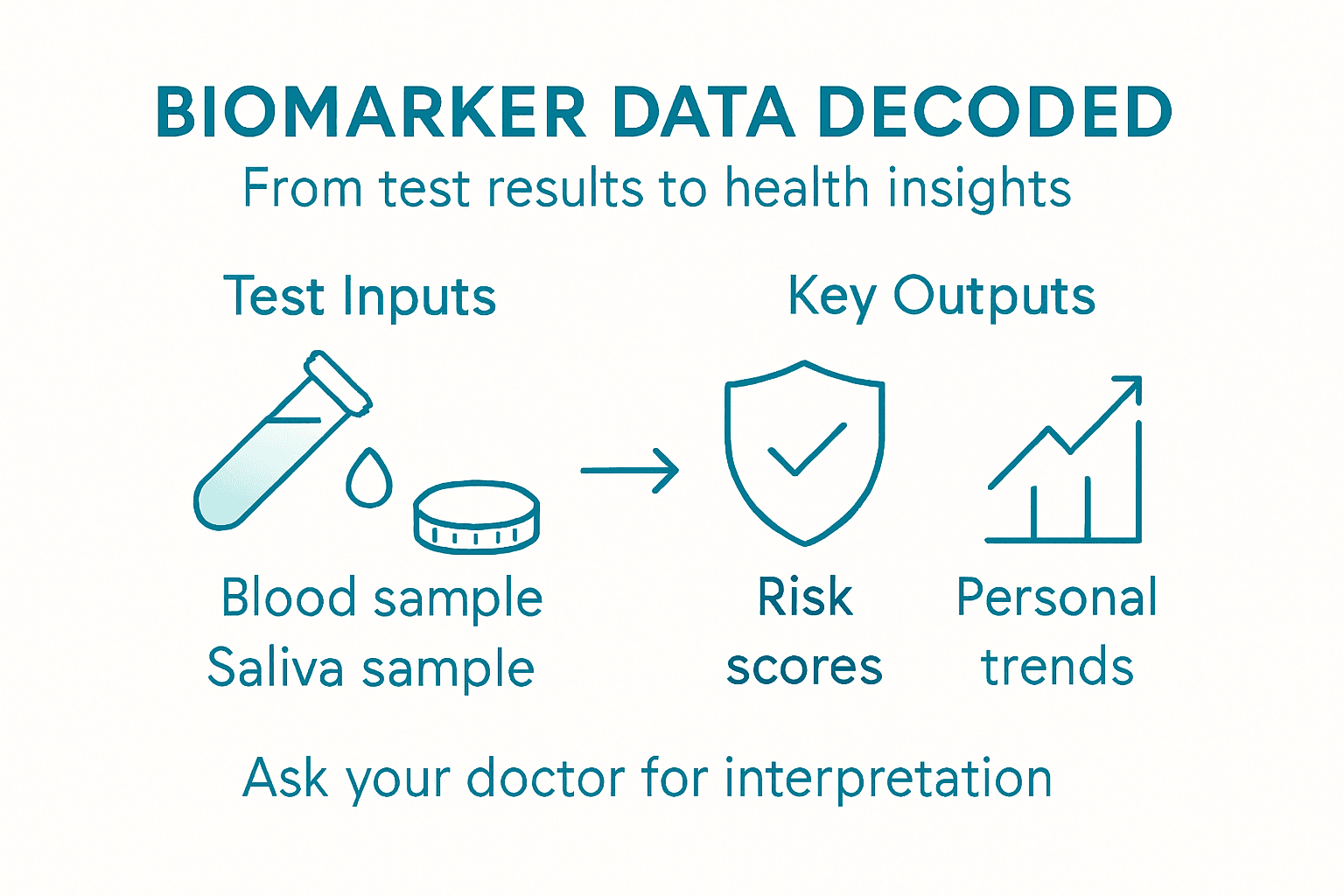
Pro tip: Schedule regular biomarker tests to establish a comprehensive baseline of your health and track changes over time, enabling early detection and proactive wellness management.
Key Types of Biomarkers Analyzed Today
Biomarker testing encompasses a diverse range of molecular and physiological indicators that provide comprehensive insights into human health. Biomedical research has identified several critical categories of biomarkers that offer unique perspectives on an individual’s biological processes and potential health risks.
The primary types of biomarkers analyzed in modern medical diagnostics include:
-
Molecular Biomarkers: Genetic, protein, and metabolic indicators
- Genes
- Proteins
- Hormones
- Metabolites
-
Physiological Biomarkers: Functional indicators of body systems
- Blood pressure
- Heart rate
- Respiratory function
-
Radiographic Biomarkers: Imaging-based diagnostic signals
- Cellular structure changes
- Tissue density variations
- Metabolic activity patterns
Molecular biomarkers represent the most sophisticated category, offering granular insights into an individual’s genetic predispositions and potential health risks. These molecular signals can include specific genetic mutations, protein expressions, and metabolic indicators that reveal intricate details about cellular function, disease progression, and potential treatment responses.
Healthcare professionals utilize these biomarker types to develop personalized medical strategies, enabling precise interventions tailored to an individual’s unique physiological profile. By analyzing these molecular signals, medical experts can predict disease risks, monitor treatment effectiveness, and design targeted therapeutic approaches.
Here’s a concise overview comparing key biomarker types and their diagnostic purposes:
| Biomarker Type | Key Indicators | Main Diagnostic Role | Typical Applications |
|---|---|---|---|
| Molecular | Genes, proteins | Identify genetic risks | Personalized medicine |
| Physiological | Blood pressure, heart rate | Monitor body functions | Chronic disease management |
| Radiographic | Tissue density, metabolic patterns | Visualize internal changes | Early detection, disease staging |
Pro tip: Consult with healthcare professionals who specialize in biomarker analysis to understand which specific tests are most relevant for your individual health profile and wellness goals.
How At-Home Biomarker Testing Works
At-home biomarker testing represents a revolutionary approach to personal health monitoring, enabling individuals to gain detailed insights into their physiological status without traditional clinical visits. Consumer health technologies now empower users to collect and analyze biological samples through convenient, user-friendly methods that transform complex medical diagnostics into accessible, personalized health data.
The typical at-home biomarker testing process involves several key steps:
- Sample Collection Kit Arrival
- Receive sterile collection materials
- Review detailed instructions
- Prepare testing environment
- Biological Sample Procurement
- Collect specified sample (blood, saliva, urine)
- Follow precise collection guidelines
- Ensure proper sample handling
- Sample Packaging and Shipment
- Use provided packaging materials
- Complete necessary documentation
- Ship to designated laboratory
- Laboratory Analysis
- Professional processing of samples
- Advanced diagnostic techniques
- Comprehensive molecular analysis
Modern at-home testing platforms leverage sophisticated technological infrastructure, utilizing mass spectrometry and advanced laboratory techniques to transform small biological samples into comprehensive health insights. These platforms can detect intricate molecular signals that reveal detailed information about metabolic function, nutritional status, hormonal balance, and potential health risks.

The precision of these testing methodologies allows individuals to track their health metrics with unprecedented accuracy, providing a proactive approach to wellness management. By democratizing advanced diagnostic technologies, at-home biomarker testing empowers users to take control of their health journey through data-driven insights and personalized health intelligence.
Pro tip: Always store your sample collection kit in a cool, dry place and carefully review instructions to ensure optimal testing accuracy.
Real-World Uses for Health Optimization
Biomarker testing has emerged as a transformative approach to personalized health management, offering individuals unprecedented insights into their physiological functioning across multiple domains. These advanced diagnostic tools enable proactive health strategies by providing detailed molecular-level information about an individual’s unique biological landscape.
Key real-world applications of biomarker testing include:
-
Athletic Performance Optimization
- Track metabolic efficiency
- Monitor muscle recovery rates
- Identify nutritional deficiencies
-
Chronic Disease Management
- Early risk detection
- Treatment response monitoring
- Personalized intervention planning
-
Nutritional Health
- Assess micronutrient levels
- Design targeted dietary interventions
- Understand metabolic interactions
-
Longevity and Preventive Care
- Predict potential health risks
- Understand genetic predispositions
- Create personalized wellness strategies
Biomarker testing transcends traditional healthcare by providing granular, actionable data that empowers individuals to make informed decisions about their health. By revealing intricate molecular signals, these tests enable precise interventions that can significantly impact overall wellness, performance, and long-term health outcomes.
Professionals across medical disciplines are increasingly leveraging biomarker insights to develop targeted, personalized treatment protocols. This approach represents a paradigm shift from reactive to proactive healthcare, allowing for more precise, individualized medical strategies that address unique physiological characteristics.
Below is a summary of common real-world outcomes unlocked by biomarker testing:
| Health Goal | Biomarker Insight Benefit | Practical Impact |
|---|---|---|
| Sports performance | Predict recovery and nutrition | Improved training strategies |
| Disease prevention | Detect early risk markers | Tailored wellness interventions |
| Nutrition optimization | Reveal micronutrient levels | Personalized dietary planning |
| Longevity planning | Analyze genetic factors | Proactive age-related care |
Pro tip: Consult with healthcare professionals to interpret your biomarker results comprehensively and develop a personalized health optimization plan.
Risks, Limitations, and Best Practices
Biomarker testing presents complex challenges that require careful interpretation and understanding of its potential risks and limitations. While these advanced diagnostic tools offer unprecedented insights into individual health, they are not infallible and demand a nuanced approach to their application and analysis.
Key risks and limitations of biomarker testing include:
-
Scientific Variability
- Measurement inconsistencies
- Potential false positives/negatives
- Context-dependent interpretations
-
Analytical Challenges
- Assay performance variations
- Technical measurement limitations
- Complex data interpretation requirements
-
Ethical and Privacy Concerns
- Genetic information sensitivity
- Potential discrimination risks
- Consent and data protection issues
Biomarker interpretation requires sophisticated understanding and contextual analysis. No single biomarker provides a comprehensive health snapshot, and results must be evaluated holistically, considering multiple factors such as individual physiology, lifestyle, and broader medical history.
Best practices for responsible biomarker testing involve comprehensive approaches that minimize risks and maximize diagnostic value. Healthcare professionals recommend continuous validation, interdisciplinary collaboration, and maintaining realistic expectations about the predictive power of molecular indicators.
Pro tip: Always consult with qualified healthcare professionals who can provide comprehensive interpretation and contextual understanding of your biomarker test results.
Take Control of Your Health with Precise At-Home Biomarker Testing
Understanding your body’s unique molecular and physiological signals is key to unlocking personalized health optimization. This article highlighted challenges like interpreting complex biomarker data, managing nutrition, and monitoring metabolic health effectively. At Biostarks, we address these pain points by offering advanced at-home biomarker testing that analyzes vitamins, hormones, amino acids, and more using cutting-edge Swiss mass spectrometry techniques.
Discover how our Biostarks | Collection provides clear, actionable insights so you can proactively manage athletic performance, longevity, and chronic disease risks from the comfort of your home.
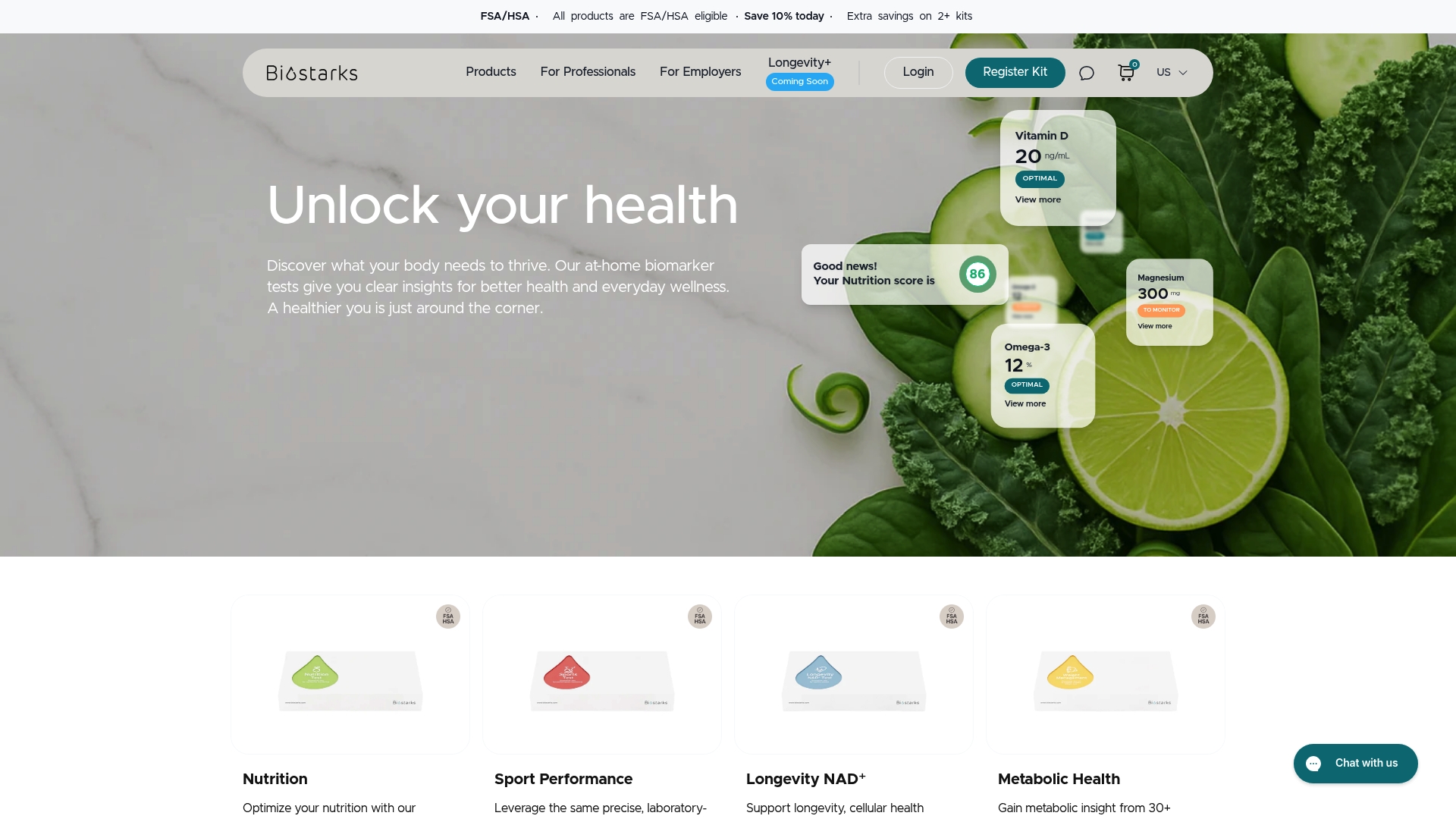
Ready to transform your health journey with scientifically precise biomarker data? Visit Biostarks today and explore our premium at-home testing solutions. Your personalized path to better metabolic function and wellness starts now. Learn more about our professional options at Biostarks | Collection and choose the right kit for your goals.
Frequently Asked Questions
What is biomarker testing?
Biomarker testing is a method used to analyze molecular indicators in the body that provide insights into biological processes, disease states, and overall health. It allows for proactive health management through specific measurements.
How does at-home biomarker testing work?
At-home biomarker testing involves receiving a sample collection kit, collecting a biological sample (such as blood or saliva), and sending it to a laboratory for analysis. The results provide detailed insights into your health without needing to visit a clinic.
What are the main types of biomarkers analyzed?
The main types of biomarkers include molecular biomarkers (like genes and proteins), physiological biomarkers (such as blood pressure and heart rate), and radiographic biomarkers (which focus on imaging signals). Each type serves a unique diagnostic purpose.
What are the potential risks and limitations of biomarker testing?
Biomarker testing can have risks such as measurement inconsistencies, potential false positives or negatives, and ethical concerns regarding genetic data privacy. It is essential to interpret biomarkers holistically with the guidance of qualified healthcare professionals.


