

Sticking a finger for an at-home test can feel simple, but getting accurate insights into your metabolic health demands more than just checking a box. For health-conscious millennials and Gen Z, understanding precise sample preparation means you can truly trust your results. Following clear steps around fasting, timing, and sample handling empowers you to gain reliable metabolic measurements and make data-driven choices personalized to your unique wellness journey.
Table of Contents
- Step 1: Prepare for Accurate At-Home Sample Collection
- Step 2: Collect and Submit Your Sample Properly
- Step 3: Interpret Your Biomarker Results Effectively
- Step 4: Apply Actionable Recommendations for Improvement
Quick Summary
| Key Insight | Explanation |
|---|---|
| 1. Follow Preparation Guidelines | Adhere to fasting, hydration, and timing instructions for accurate metabolic sample collection. |
| 2. Collect Samples with Care | Ensure proper hygiene and labeling to maintain sample integrity during collection and transport. |
| 3. Interpret Results Holistically | Analyze biomarker results in context of overall health and historical data for accurate insights. |
| 4. Implement Targeted Health Strategies | Use insights from biomarker data to customize lifestyle adjustments for optimal metabolic health. |
Step 1: Prepare for Accurate At-Home Sample Collection
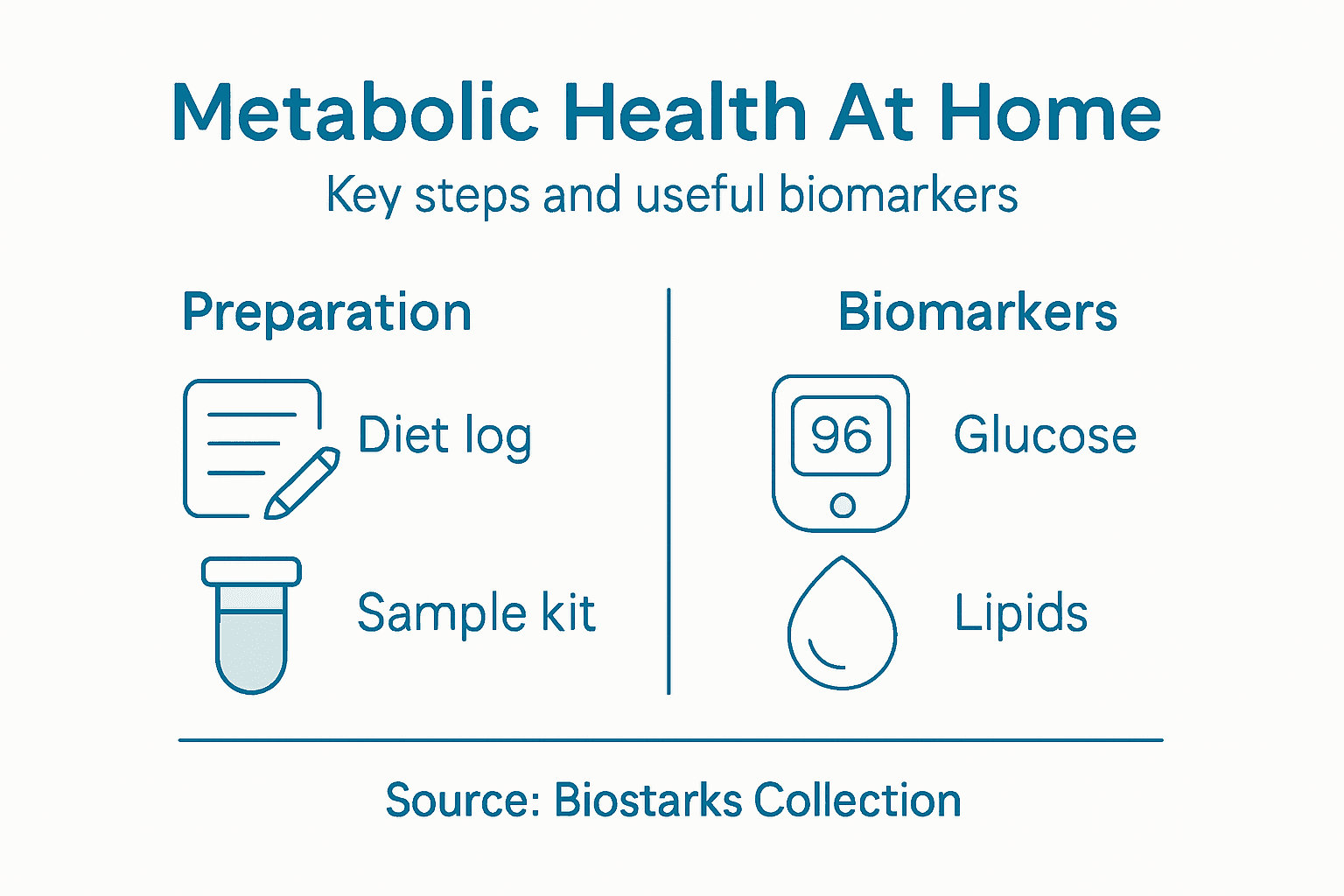
Preparing for at-home metabolic health sample collection requires precise steps to ensure accurate results. Proper preparation helps minimize variables that could impact your metabolic biomarker analysis.
Successful sample collection starts with understanding key preparation requirements. Metabolic profiling protocols emphasize controlling external factors that might influence blood metabolite measurements. Here are critical preparation steps:
- Fast as recommended by your specific test kit instructions
- Avoid consuming alcohol 24-48 hours before testing
- Refrain from strenuous exercise 12-24 hours prior to sample collection
- Stay hydrated but avoid excessive water intake immediately before sampling
- Follow precise timing guidelines for hormone or glucose-related tests
Your goal is to create a consistent internal environment that provides the most accurate snapshot of your metabolic health. At-home health testing preparation requires careful attention to dietary and lifestyle factors that could temporarily alter blood chemistry.
Consistent preparation reduces measurement variability and increases the reliability of your metabolic health insights.
Pro tip: Keep a detailed log of your diet, exercise, and medication intake in the 48 hours before sample collection to help interpret your results accurately.
Step 2: Collect and Submit Your Sample Properly
Collecting and submitting your metabolic health sample requires precision and careful attention to detail. Your goal is to ensure the highest quality specimen reaches the laboratory for accurate analysis.
Best practices for home sample collection emphasize maintaining sample integrity from collection through submission. Follow these critical steps for proper sample handling:
- Wash hands thoroughly before starting collection
- Use sterile collection materials provided in the kit
- Follow kit instructions exactly
- Label samples with all required information
- Maintain recommended temperature during transport
Timing and handling are crucial to preserving your sample’s diagnostic value. Ensure you understand each specific instruction in your testing kit, as requirements can vary depending on the type of metabolic panel you’re completing.
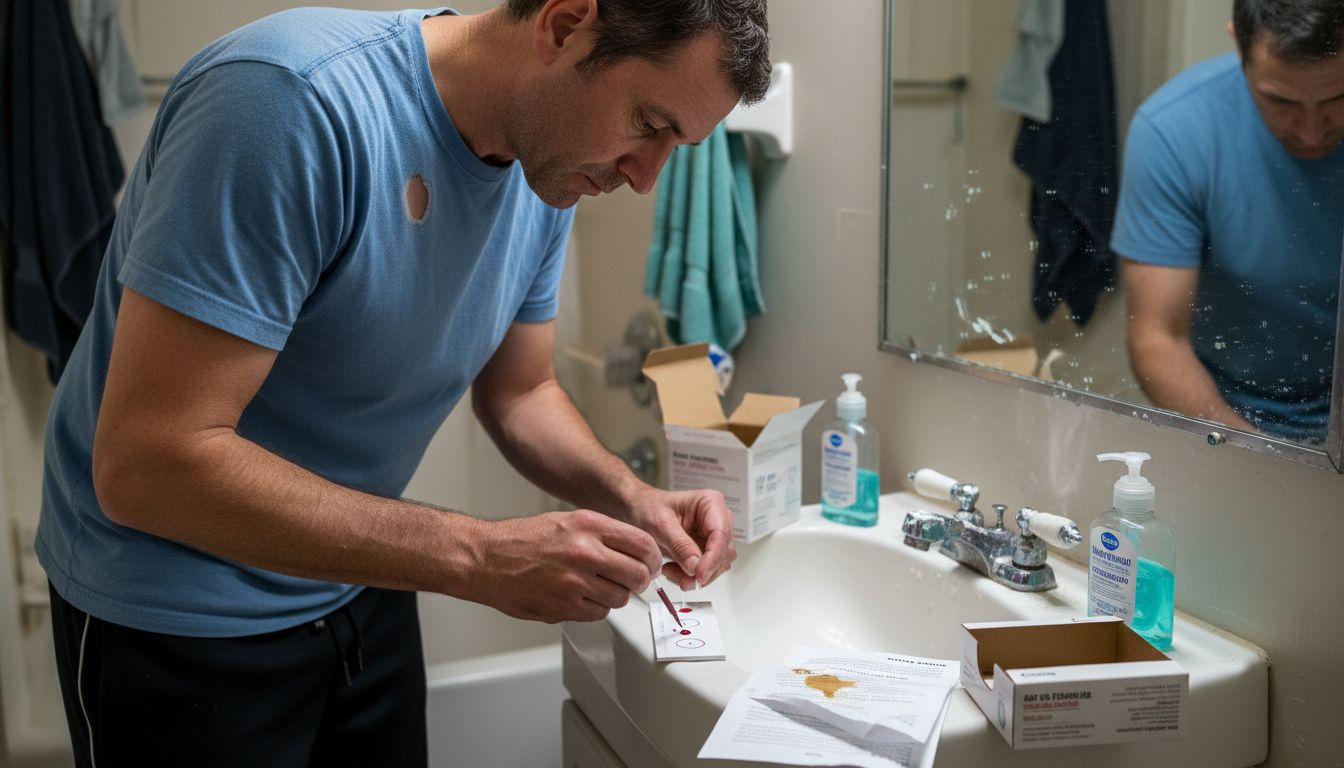
Below is a comparison of sample collection errors and their impact on metabolic health results:
| Collection Error | Potential Impact | How to Prevent |
|---|---|---|
| Not fasting properly | Skewed glucose values | Follow fasting instructions |
| Excessive exercise | Altered hormone readings | Avoid strenuous activity |
| Labeling mistakes | Sample identification issues | Double-check labels |
| Poor hygiene | Contamination risk | Wash hands thoroughly |
Precise sample collection transforms your biological data into meaningful health insights.
Pro tip: Take a clear, well-lit photo of your completed sample collection kit’s instructions as a backup reference in case you need to review the steps during the process.
Step 3: Interpret Your Biomarker Results Effectively
Interpreting your metabolic health biomarker results requires a strategic approach to understanding complex health data. Your goal is to transform raw numbers into meaningful insights about your personal health trajectory.
Blood work results interpretation involves more than just reading numbers - it requires contextualizing markers within your overall health profile. Key areas to focus on include:
- Understand reference ranges for each biomarker
- Compare results against standard health benchmarks
- Note any values outside normal limits
- Consider your personal health history
- Look for patterns across different metabolic indicators
Metabolic marker analysis demands a holistic perspective. Some markers like fasting glucose, cholesterol levels, and hormone profiles provide critical insights into your body’s internal functioning. Pay special attention to trends that might indicate potential health risks or opportunities for optimization.
Individual biomarker results are puzzle pieces - their true meaning emerges when viewed as part of your comprehensive health picture.
Pro tip: Create a digital health dashboard or spreadsheet to track your biomarker results over time, enabling you to visualize your metabolic health progression and identify long-term trends.
Step 4: Apply Actionable Recommendations for Improvement
Transforming your biomarker insights into meaningful lifestyle changes requires a strategic and personalized approach. Your goal is to develop targeted interventions that address specific metabolic health indicators and optimize your overall wellness.
Navigating metabolic health optimization involves creating a comprehensive action plan tailored to your unique biomarker results. Consider implementing these key strategies:
- Prioritize nutritional adjustments based on specific marker deficiencies
- Design targeted exercise routines addressing metabolic weak points
- Develop stress management techniques
- Create sleep optimization protocols
- Establish consistent monitoring and tracking mechanisms
Metabolic health improvement is not about radical transformation but consistent, incremental changes. Focus on sustainable modifications that align with your lifestyle and personal health goals. Each adjustment should be purposeful and backed by your specific biomarker data.
Small, consistent changes compound over time to create significant metabolic health improvements.
Pro tip: Work with a healthcare professional to develop a nuanced, personalized improvement strategy that translates your biomarker data into practical, actionable lifestyle modifications.
Take Control of Your Metabolic Health with Precision At-Home Testing
Understanding and improving your metabolic health at home can seem challenging when faced with complex biomarker data and the need for precise sample collection. If you want to minimize variability, select the right biomarker panels, and interpret your metabolic markers with confidence, Biostarks offers a scientifically advanced solution tailored to these exact needs. Our platform uses Swiss mass spectrometry to deliver detailed insights on vitamins, hormones, lipids, amino acids, and more, empowering you to make data-driven decisions for your health, performance, and longevity.
Explore our specially designed Biostarks | Collection to find the perfect at-home test for your metabolic profiling goals. Start now to experience user-friendly sample collection combined with comprehensive reports that bring clarity to your metabolic health journey. Visit https://biostarks.com today and transform your metabolic health assessment into actionable lifestyle improvements.
Frequently Asked Questions
How should I prepare for at-home metabolic health sample collection?
To prepare effectively, follow the specific fasting guidelines provided in your test kit and avoid alcohol for 24-48 hours prior to sampling. Maintain a log of your diet and activities for the 48 hours leading up to the sample collection to ensure accuracy and reduce variability.
How do I collect and submit my metabolic health sample correctly?
Follow the instructions in your test kit carefully, ensuring to wash your hands, use sterile materials, and label your samples correctly. Properly handle the sample during transport, maintaining the recommended temperature and minimizing time before submission to preserve its integrity.
How can I interpret my metabolic biomarker results effectively?
Understand the reference ranges for each biomarker and compare your results against standard health benchmarks. Look for values outside normal limits and consider any patterns across different markers to develop a clear picture of your overall health.
What actionable recommendations can I apply based on my metabolic health results?
Transform your insights into actionable health strategies by addressing specific marker deficiencies through dietary changes, exercise routines, and stress management techniques. Aim for consistent, small modifications to gradually optimize your metabolic health over time.
How often should I assess my metabolic health at home?
Consider assessing your metabolic health every 3-6 months to track changes and adapt your health strategies accordingly. Regular assessments will help you monitor your progress and make necessary adjustments to your wellness plan.


