

TL;DR:
- Personalized nutrition tailors dietary strategies using individual biological data, improving internal markers more effectively than generic guidelines. Evidence shows it enhances dietary quality, HbA1c, triglycerides, and insulin sensitivity, especially in metabolic health, with athletes benefiting from targeted fueling tactics. However, choosing validated tests, qualified practitioners, and safeguarding data privacy are essential before adopting personalized approaches.
Most people who dial in their training still hit a wall with nutrition. Generic macros, food pyramids, and one-size-fits-all guidelines can only take you so far when your biology, lifestyle, and goals are yours alone. Personalized nutrition changes that equation by using real data, from your blood biomarkers to your metabolic response, to build dietary strategies that actually fit how your body works. This article breaks down the key advantages, what the evidence supports, and what you need to know before investing in a personalized approach.
Table of Contents
- What is personalized nutrition and how does it work?
- Improvements in dietary quality and metabolic health
- Personalized nutrition for athletes: targeted fueling and edge cases
- Safety, privacy, and validity: what to ask before you start
- Comparison: personalized nutrition versus traditional approaches
- Why practical personalization will define future nutrition
- Ready to get started with personalized nutrition?
- Frequently asked questions
Key Takeaways
| Point | Details |
|---|---|
| Custom-fit nutrition | Personalized nutrition adjusts dietary advice based on your unique biomarkers for more effective results. |
| Evidence-backed improvements | Studies show benefits in dietary quality and key metabolic indicators when nutrition is tailored to the individual. |
| Consider safety and privacy | Choose only programs with credible professionals, proven test accuracy, and clear data protection. |
| Athlete-specific strategies | Personalized nutrition helps athletes fine-tune performance but requires robust data and ongoing monitoring. |
| Balance promise vs. proof | While personalized nutrition advances rapidly, careful evaluation and transparency matter for real-world results. |
What is personalized nutrition and how does it work?
Personalized nutrition is the practice of tailoring dietary guidance to an individual based on their unique biological data. This includes genetics, blood biomarkers, gut microbiome composition, and metabolic markers. It contrasts with population-level guidelines, which recommend the same intake targets for everyone within a broad demographic.
The terms “personalized” and “precision” nutrition get used interchangeably, but they carry different technical meanings. Researchers are increasingly calling for a clear separation. Precision nutrition tends to refer to a more clinical, research-driven framework, while personalized nutrition is the broader consumer-facing application. Both, however, aim to outperform one-size-fits-all guidance by leveraging within- and between-person variability in dietary response using technologies such as deep phenotyping, digital tools, and AI. Meanwhile, experts in the field distinguish “precision” from “personalized” and argue for consistent definitions, research standards, and clinical validation before broad translation into everyday practice.
In practice, personalized nutrition draws on several categories of data:
- Biomarker panels: Blood tests measuring vitamins, hormones, lipids, amino acids, and metabolic markers. Learn more about the types of nutrition biomarkers used in modern testing.
- Genomics and multi-omics: Analysis of how your genes influence nutrient absorption, inflammation response, and dietary risk factors.
- Wearable devices: Continuous glucose monitors, heart rate variability trackers, and sleep monitors that capture real-time metabolic data.
- AI-driven pattern recognition: Algorithms that identify correlations between diet, biomarkers, and health outcomes across large datasets.
“The most powerful nutrition plan is not the most complicated one. It’s the one calibrated to your actual physiology, not your demographic average.”
Understanding how biomarkers drive client outcomes for nutritionists also illustrates why this approach is gaining traction not just among athletes but among clinicians and coaches who need measurable results.
Improvements in dietary quality and metabolic health
Understanding the technology is only part of the story. What does the evidence say about real-world benefits?
Personalized nutrition approaches can improve dietary quality and some metabolic biomarkers, though effects on weight loss and blood pressure are less consistent. This is a nuanced but important finding. It means personalized strategies genuinely move the needle on specific internal markers, even when the scale does not shift dramatically.
The strongest evidence clusters around these metabolic outcomes:
- HbA1c reduction: Long-term blood sugar control improves reliably with tailored carbohydrate strategies, especially in people with insulin resistance.
- Triglyceride levels: Adjusting dietary fat quality and meal timing shows measurable improvements in triglyceride profiles.
- Insulin sensitivity: Matching macronutrient ratios to an individual’s metabolic type reduces fasting insulin over time.
- Inflammatory markers: Targeted anti-inflammatory dietary adjustments, guided by specific biomarker readings, reduce markers like C-reactive protein.
| Metabolic outcome | Evidence strength | Notes |
|---|---|---|
| Dietary quality and adherence | Strong | Consistent across multiple RCTs |
| HbA1c and blood sugar | Strong | Particularly in insulin-resistant populations |
| Triglycerides | Moderate to strong | Responds well to fat quality adjustments |
| Insulin sensitivity | Moderate | Requires sustained dietary changes |
| Weight loss | Weak to moderate | Less consistent than metabolic markers |
| Blood pressure | Weak | Limited and inconsistent evidence |
If you want to understand how to build on these findings, exploring metabolic function optimization gives you a strong practical framework. You can also look at specific examples of metabolic markers to understand what you should be tracking.

Pro Tip: Focus your data-driven nutrition plan on measurable biomarkers, not just body weight. Triglycerides, HbA1c, and fasting insulin tell you far more about metabolic progress than the number on the scale, and they respond faster to targeted dietary changes.
For anyone serious about sustainable change, actionable tips for better metabolism offer a solid companion guide to the biomarker findings above.
Personalized nutrition for athletes: targeted fueling and edge cases
While most people look to personalized nutrition for general health, athletes face specific challenges and use cases that make data-driven dietary strategies especially valuable.
In athletes, personalized nutrition is used to tailor macronutrient and supplement strategies using biomarkers, metabolic testing, and wearables. But it comes with real-world feasibility and data reliability constraints that general consumers rarely encounter. Training load fluctuates. Racing schedules compress recovery windows. And the margin between peak performance and overtraining is narrow.
Here is how national-caliber and competitive athletes typically apply personalized nutrition:
- Pre-competition carbohydrate loading: Continuous glucose monitoring reveals each athlete’s glycemic response to different carbohydrate sources, enabling precise loading protocols instead of generic strategies.
- Iron and ferritin monitoring: Endurance athletes are especially vulnerable to iron deficiency, which tanks aerobic capacity. Routine blood panels catch drops before they affect performance.
- Vitamin D and immune function: Athletes training indoors or at altitude face specific deficiency risks. Testing removes guesswork from supplementation timing and dosage.
- Amino acid optimization: Muscle protein synthesis depends on leucine threshold and timing. Amino acid biomarker testing helps athletes hit that threshold without overloading total protein intake.
- Recovery nutrition calibration: Tracking inflammatory and oxidative stress markers post-training guides anti-inflammatory food choices and supplement timing.
A 16-week personalized nutrition intervention with national-level athletes showed that structured biomarker testing combined with periodic follow-up and qualitative feedback produces feasible implementation pathways. Athletes who received individualized dietary guidance based on both performance data and subjective recovery feedback reported clearer direction and better adherence than those following general sports nutrition guidelines.
| Factor | Generic sports nutrition | Personalized sports nutrition |
|---|---|---|
| Macronutrient timing | Population averages | Calibrated to individual metabolic response |
| Supplementation | Category-based (e.g., all endurance athletes) | Biomarker-guided and adjusted over time |
| Recovery protocols | Standard rest-day nutrition | Adjusted based on inflammatory markers |
| Monitoring frequency | Periodic or none | Ongoing, with periodic retest cycles |
The practical constraint is real, though. Device accuracy, cost, and the need for qualified practitioners to interpret data all limit how widely athletes can use these tools right now. Personalized health data is most powerful when paired with someone who knows how to translate numbers into action.
Safety, privacy, and validity: what to ask before you start
Embracing personalized nutrition is exciting, but practical and regulatory factors matter just as much as the scientific promise.
Personalized nutrition programs must address the safety and accuracy of tests and devices, expert credentials, substantiation of claims, communication standards, and privacy, especially as biomarker testing and AI are increasingly incorporated. Before you start any program, run through this checklist:
- Test accuracy: Is the lab or device clinically validated? Look for ISO-certified laboratories or mass spectrometry-based analysis rather than low-cost lateral flow tests.
- Regulatory status: In the United States, lab-developed tests and direct-to-consumer genomics kits operate under varying regulatory frameworks. Understand what oversight applies to your testing provider.
- Practitioner credentials: Is dietary advice provided by a registered dietitian, licensed nutritionist, or supervised by a physician? Credentials matter when acting on biomarker results.
- Claim substantiation: Does the program reference peer-reviewed evidence for its recommendations, or does it make broad wellness claims without citation?
- Data privacy: Who owns your biomarker and genomic data? Can it be sold or shared with third parties? Request a clear data use agreement before submitting samples.
- Actionability: Are results presented in a way you can actually use, or buried in raw numbers without interpretation?
Pro Tip: Before enrolling in any personalized nutrition program, ask two specific questions: Who developed the dietary recommendations and what are their credentials? And how is your biological data stored, protected, and used after testing? Clear, direct answers signal a trustworthy provider.
Comparison: personalized nutrition versus traditional approaches
Now that we’ve covered benefits and caveats, see how personalized nutrition compares with more traditional approaches.
Traditional dietary guidelines are built on population-level research. They work reasonably well for reducing risk at a public health scale, but they systematically fail individuals who metabolize nutrients differently, carry genetic variants affecting absorption, or have specific performance goals. Personalized nutrition leverages within- and between-person variability in dietary response, which is exactly what population averages cannot capture.
| Factor | Traditional nutrition | Personalized nutrition |
|---|---|---|
| Basis for advice | Population averages | Individual biomarker and genetic data |
| Adherence support | General guidelines | Real-time feedback and iterative adjustment |
| Metabolic outcomes | Moderate at population level | Strong for specific markers (HbA1c, triglycerides) |
| Cost and complexity | Low | Moderate to high |
| Evidence base | Decades of large-scale studies | Growing but still maturing |
| Weight loss results | Inconsistent individually | Also inconsistent, even when personalized |
Statistical callout: Across multiple randomized controlled trials (RCTs), personalized nutrition shows consistent improvements in dietary quality, HbA1c, and triglycerides. However, outcomes like body weight and blood pressure change less reliably even under personalized protocols, which suggests that personalization is a precision tool for specific targets, not a universal fix.
The cost consideration is real. Biomarker panels, follow-up testing, and qualified practitioners add up. But if your goal is specific, such as optimizing insulin sensitivity, correcting a micronutrient deficiency, or improving recovery from training, targeted metabolic health optimization delivers value that generic plans simply cannot match.
Why practical personalization will define future nutrition
Here is where we step back from the feature list and get direct about something the field does not always say clearly.
The excitement around personalized nutrition is real. But so is the noise. RCTs labeled as personalized, individualized, or precision vary widely in methodology, and many show high risk of bias and low transparency, with limited data and code sharing. That matters when you’re trying to translate research findings into dependable benchmarks for your own health decisions.
This does not mean personalized nutrition is overblown. It means you should be selective. The real innovation is not chasing the most advanced gadget or the deepest genomic analysis. It’s finding the level of personalization that is actionable, evidence-backed, and calibrated to your actual goals. A targeted biomarker panel that identifies your vitamin D status, fasting insulin, and ferritin levels can change your training outcomes more concretely than a multi-thousand-dollar genomic deep-dive with no clear path to action.
We see this consistently: the people who get the most from personalized nutrition are not the ones who collect the most data. They’re the ones who collect the right data, work with credentialed practitioners who can interpret it, and adjust their habits based on clear, measurable feedback. That’s the loop that drives real progress. Understanding why metabolite monitoring matters for personalized health performance is a good starting point for understanding what that loop looks like in practice.
The uncomfortable truth is that complexity does not equal efficacy. Small, evidence-based tailoring grounded in solid biomarker data often outperforms elaborate programs that dazzle with technology but lack clinical grounding.
Ready to get started with personalized nutrition?
If the evidence in this article resonates with where you are in your health journey, the logical next step is getting your own data.
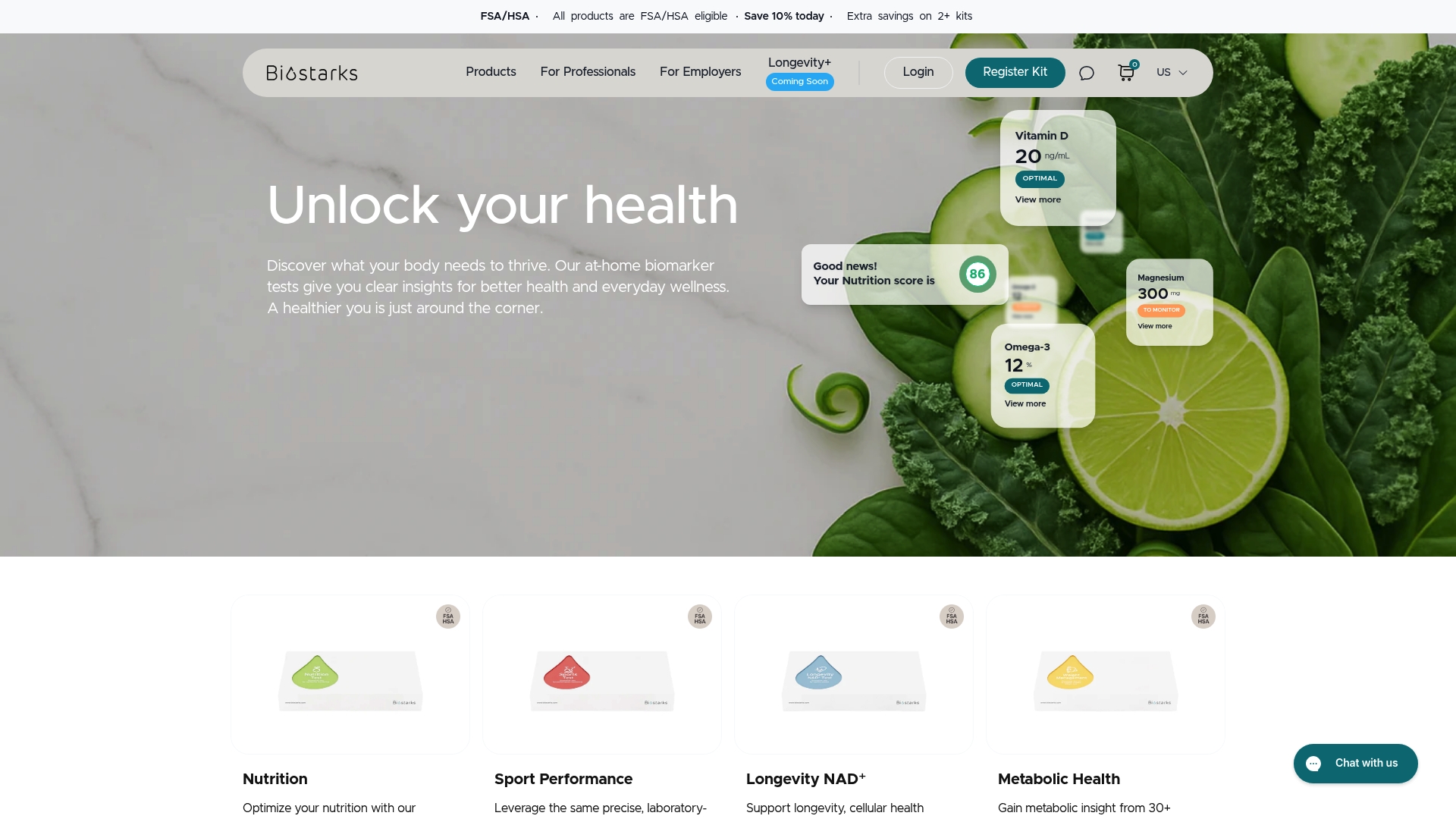
Biostarks makes that step straightforward. Using advanced Swiss mass spectrometry, at-home sample collection, and clear, actionable reports, Biostarks measures the biomarkers that matter most for metabolic health, performance, and longevity. From vitamins and hormones to amino acids and lipid panels, every result comes with the context you need to act on it. Explore personalized nutrition testing and see how your internal data can become the foundation for a nutrition strategy built around your biology, not population averages.
Frequently asked questions
What are the core benefits of personalized nutrition?
Personalized nutrition can improve dietary quality, support metabolic marker improvements like HbA1c and triglycerides, and tailor advice to your unique biology rather than population averages.
Do personalized diets work better for athletes?
Athletes may benefit from targeted protocols for macronutrient timing and recovery, but real-world results depend on practitioner skill, monitoring consistency, and the reliability of the testing methods used.
Is personalized nutrition more expensive than generic plans?
Yes, personalized nutrition typically costs more due to biomarker testing and ongoing professional guidance, but the value depends on how specific and measurable your health or performance goals are.
How is my privacy protected with nutrition testing?
Reputable programs must address clear data protection policies, credentialed practitioner oversight, and transparent data use agreements before you submit any biological sample.
Is there a difference between precision nutrition and personalized nutrition?
While often used interchangeably, the field distinguishes these terms and experts stress the need for consistent definitions, validated research standards, and clinical evidence before either approach is broadly translated into practice.


