

TL;DR:
- Nutritional biomarkers are categorized as exposure, status, and functional indicators for comprehensive assessment.
- Key at-home biomarkers include vitamin D, B12, ferritin, homocysteine, omega-3s, zinc, and selenium.
- Interpreting results requires understanding inflammation effects, pattern analysis, and avoiding reliance on single markers.
Figuring out which nutritional biomarkers actually matter is harder than it sounds. With hundreds of measurable indicators now available, most people either test too little and miss critical gaps, or test everything and drown in data they cannot act on. The good news: a structured approach cuts through the noise. This guide breaks down what nutritional biomarkers are, how they are categorized, and which ones deserve a spot on your tracking list. Whether you are optimizing energy, longevity, or metabolic function, understanding these markers helps you interpret your results with precision and purpose.
Table of Contents
- What are nutritional biomarkers?
- Types of nutritional biomarkers and their categories
- Essential nutritional biomarkers to track at home
- Interpreting biomarker results: Pitfalls and best practices
- Advanced and emerging nutritional biomarkers
- Why context trumps numbers: Lessons from biomarker data
- Next steps: Empower your wellness with at-home biomarker testing
- Frequently asked questions
Key Takeaways
| Point | Details |
|---|---|
| Biomarker basics | Nutritional biomarkers reveal true dietary status and help identify hidden deficiencies. |
| Categories matter | Track water- and fat-soluble vitamins, trace elements, and bioactives for a complete wellness profile. |
| Panels outperform singles | Using biomarker panels gives you a more accurate picture than relying on individual tests alone. |
| Interpret carefully | Always consider inflammation, genetics, and lifestyle when analyzing your results. |
| At-home options expand | At-home tests make it easier than ever to access key nutritional biomarker insights. |
What are nutritional biomarkers?
A nutritional biomarker is any biological indicator that reflects your dietary exposure, nutrient status, or how well your body is actually using a given nutrient. Think of them as internal signals that translate what you eat (or do not eat) into measurable data. Unlike food diaries or recall surveys, biomarkers give you objective evidence. They do not rely on memory or estimate.
Scientists generally sort nutritional biomarkers into three functional types:
- Exposure biomarkers: Reflect recent dietary intake. Plasma carotenoids after eating vegetables, for example, signal what you consumed in the past few days.
- Status biomarkers: Indicate how much of a nutrient your body currently has stored. Serum ferritin for iron is a classic example.
- Functional biomarkers: Show whether a nutrient is actually doing its job. Methylmalonic acid (MMA) rising in the blood signals that B12 is not functioning properly at the cellular level, even if serum B12 looks normal.
This layered distinction matters enormously. As nutritional biomarkers are classified/13%3A_Biomarkers_(Chapter_15)) into exposure, status, and function categories, relying on just one type can give you an incomplete or outright misleading picture.
Explore the broader landscape of types of biomarkers to see how nutritional markers fit alongside hormonal, metabolic, and performance indicators.
“No single biomarker tells the whole story. The most actionable insights come from understanding how exposure, status, and functional markers interact within your unique physiology.”
This is why panels consistently outperform individual tests. A single result is a snapshot. A panel is a narrative.
Types of nutritional biomarkers and their categories
Once you understand what biomarkers measure, the next step is knowing which categories exist. The CDC’s 2026 Nutrition Report categorizes 131 biomarkers into four primary groups: water-soluble vitamins, fat-soluble vitamins, trace elements, and bioactive compounds. This framework gives you a practical map.
| Category | Examples | What it tracks |
|---|---|---|
| Water-soluble vitamins | B12, folate, B6, vitamin C | Cell energy, DNA synthesis, immune function |
| Fat-soluble vitamins | Vitamin D, A, E, K | Bone health, immune defense, antioxidant status |
| Trace elements | Iron, zinc, selenium, iodine | Enzyme function, thyroid health, immunity |
| Bioactive compounds | Carotenoids, polyphenols, omega-3s | Inflammation, oxidative stress, cardiovascular risk |
Here is what makes each category clinically distinct:
- Water-soluble vitamins are not stored for long. Depletion can happen within weeks of inadequate intake, making regular testing valuable.
- Fat-soluble vitamins accumulate in tissue. Deficiency builds slowly, but so does toxicity from supplementation without monitoring.
- Trace elements often act as cofactors for critical enzymes. A zinc shortfall, for instance, impairs immune signaling, wound healing, and testosterone synthesis simultaneously.
- Bioactive compounds like omega-3s and carotenoids do not fit neatly into “essential nutrient” boxes but powerfully modulate inflammation and longevity pathways.
For a practical breakdown mapped to wellness goals, the biomarkers list for optimal wellness offers a solid starting reference across all four CDC-recognized groups.

Knowing these categories lets you ask a smarter question: not “what should I test?” but “which category am I most likely underserved in right now?”
Essential nutritional biomarkers to track at home
With the four categories mapped, here are the nutritional biomarkers that deliver the highest return on insight for most people tracking wellness at home.
| Biomarker | What it measures | Key wellness signal |
|---|---|---|
| Vitamin D (25-OH) | Bone, immune, hormonal function | Deficiency is widespread; affects mood and immunity |
| Vitamin B12 + MMA | Nerve function, DNA synthesis | MMA flags cellular deficiency before symptoms appear |
| Ferritin + serum iron | Iron storage and transport | Fatigue, brain fog, and poor recovery often start here |
| Homocysteine | Cardiovascular and methylation risk | Elevated levels signal B vitamin insufficiency |
| Omega-3 Index | Inflammation and cardiac protection | Low levels correlate with poor mood and higher CV risk |
| Folate (RBC) | DNA repair and cell division | Critical for methylation; reflects tissue stores, not just diet |
| Zinc | Immune defense, hormone health | Commonly depleted in athletes and restrictive eaters |
| Selenium | Thyroid enzyme function | Subclinical deficiency is often invisible without testing |
A few points worth emphasizing:
- Pair functional with status markers. Functional biomarkers like MMA and homocysteine/13%3A_Biomarkers_(Chapter_15)/13.05%3A_Factors_affecting_choice_of_nutritional_biomarkers_(15.5)) are superior to serum alone for detecting some deficiencies that serum levels will miss entirely.
- Do not test in isolation. A single low ferritin reading looks very different depending on whether CRP (C-reactive protein) is elevated at the same time.
- Use an at-home biomarker testing guide to understand collection timing, fasting requirements, and how to sequence your testing.
Pro Tip: Always include a CRP measurement in any nutritional panel. Inflammation actively distorts multiple nutrient markers, so knowing your inflammation status is essential context for interpreting everything else. The biomarker checklist outlines exactly how to build a reliable baseline.
Interpreting biomarker results: Pitfalls and best practices
Getting results back is satisfying. Misreading them is surprisingly easy. Here are the four most common pitfalls that trip up even motivated, data-savvy people.
- Ignoring inflammation status. Ferritin, zinc, and retinol-binding protein all shift in response to inflammation, not just nutrient availability. As ferritin rises in inflammation/13%3A_Biomarkers_(Chapter_15)/13.01%3A_Biomarkers_to_assess_nutritional_status_(15.1)), a high ferritin reading during illness does not confirm adequate iron stores. Always measure CRP and AGP together.
- Testing during acute illness. An infection, even a mild cold, temporarily alters multiple biomarkers. Wait at least two weeks after recovery before drawing a sample for nutritional assessment.
- Over-relying on single markers. One number in isolation proves very little. A low serum B12 with normal MMA is very different from a low B12 with elevated MMA. Pattern recognition matters far more than individual values.
- Missing genetic context. Variants in genes like MTHFR affect how your body processes folate and homocysteine. This is why two people with identical folate intake and similar serum folate can have completely different functional outcomes.
Best practice steps for smarter interpretation:
- Compare your results against functional reference ranges, not just standard lab normals.
- Look for clusters of related markers moving in the same direction.
- Retest after any significant dietary or supplementation change, typically 8 to 12 weeks later.
- Use resources like nutritionists using biomarkers to understand how practitioners integrate results into real protocols.
Pro Tip: Never start a new supplement protocol based on a single abnormal result. Verify with a follow-up panel or consult a qualified practitioner first. For a deeper view on interpreting metabolic markers alongside nutritional data, the metabolic health optimization resource offers a solid clinical framework.
Advanced and emerging nutritional biomarkers
Beyond the established essentials, a new wave of nutritional biomarkers is gaining scientific traction. These are not yet standard in at-home panels, but they represent where the field is heading.
- Alkylresorcinols: These bioactive compounds, found in whole grains like wheat and rye, appear in blood and urine after consumption. As dietary biomarkers like alkylresorcinols emerge for whole grain intake, blood and urine remain preferred for at-home status assessment. Still, their potential as objective markers of dietary quality is significant.
- Genetic nutrient metabolism markers: Variants in genes controlling vitamin D receptor sensitivity, iron absorption (HFE gene), and omega-3 metabolism are beginning to appear in consumer testing. Understanding your genotype adds a powerful layer of context to your standard biomarker data.
- Metabolomic panels: Rather than measuring one nutrient at a time, metabolomics looks at hundreds of metabolites simultaneously, revealing how nutrients interact across entire biochemical pathways. Early research shows these panels can detect subtle functional deficiencies years before symptoms surface.
“The future of nutritional biomarker testing is not more numbers. It is smarter patterns, connecting genetic predisposition with real-time functional status to guide genuinely personalized nutrition.”
For now, the practical reality is that blood and urine markers remain your most reliable, accessible, and actionable tools. Emerging options are worth watching, but verify they come with validated reference ranges before acting on results. Explore how data and personalized wellness are converging to shape the next generation of nutritional testing.
Why context trumps numbers: Lessons from biomarker data
Here is a perspective that most testing guides skip entirely: obsessing over specific numbers is often the least productive thing you can do with your biomarker data.
We see it repeatedly. Someone gets their results, fixates on one low value, immediately purchases a high-dose supplement, and never revisits the bigger picture. The number shifts. Nothing else changes. That is not optimization. That is data theater.
The real value of nutritional biomarkers shows up when you use them to identify patterns across time and across markers. A rising homocysteine combined with declining folate and a creeping CRP tells a story that none of those three numbers tells on its own. Experienced practitioners trust trends over snapshots and context over cutoffs.
Bigger lifestyle factors such as sleep quality, stress load, and gut health routinely shape biomarker results more than any single supplement could correct. The wellness optimization checklist reflects this systems-level thinking. Use your biomarkers to guide meaningful behavior change, not to chase perfect numbers.
Next steps: Empower your wellness with at-home biomarker testing
You now have the framework to understand which nutritional biomarkers matter, how to categorize them, and how to interpret results without falling into common traps. The logical next step is putting that knowledge into practice.
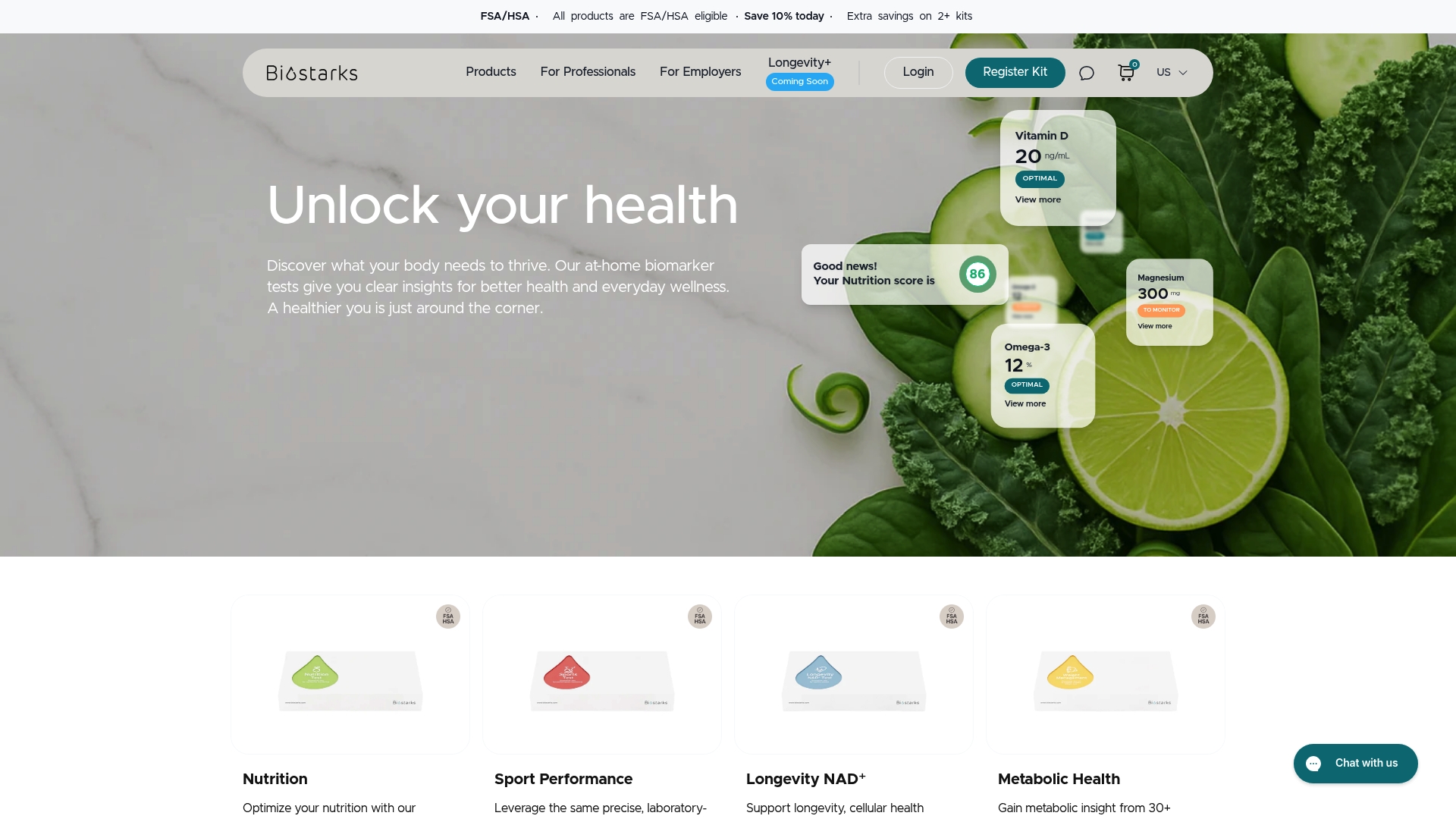
At-home biomarker panels make this process genuinely accessible. Rather than relying on a single test ordered during a routine checkup, you can run a comprehensive nutritional panel on your own schedule, from home, and receive results that are actionable rather than just informational. Personalized panels covering vitamins, minerals, amino acids, and inflammatory markers give you a far more complete picture than any isolated test could. Explore at-home biomarker panels to find the right starting point for your goals and start making data-driven decisions about your nutritional health today.
Frequently asked questions
What is the most reliable way to measure vitamin B12 status at home?
At-home test panels that include methylmalonic acid and homocysteine alongside serum B12 are significantly more reliable. Functional markers like MMA and homocysteine/13%3A_Biomarkers_(Chapter_15)/13.04%3A_Biomarkers_of_function_(15.4)) for B12 are superior to serum levels alone and can detect functional deficiency even when serum looks normal.
Which nutritional biomarkers are most affected by inflammation?
Ferritin, zinc, and retinol-binding protein are all significantly skewed by active inflammation. Inflammation affects ferritin, zinc, and RBP/13%3A_Biomarkers_(Chapter_15)/13.01%3A_Biomarkers_to_assess_nutritional_status_(15.1)), so including CRP and AGP in your panel allows you to adjust interpretation accordingly.
How many nutritional biomarkers should I check for optimal results?
Panels consistently outperform single-marker tests for accuracy and actionability. Single biomarkers are insufficient/13%3A_Biomarkers_(Chapter_15)/13.05%3A_Factors_affecting_choice_of_nutritional_biomarkers_(15.5)) for comprehensive assessment, and experts recommend covering major nutrients across all four CDC-recognized categories.
Are there new nutritional biomarkers becoming available for at-home testing?
Emerging options like alkylresorcinols and genetic nutrient metabolism markers are gaining scientific interest. However, dietary biomarkers are emerging while traditional blood and urine markers remain the most validated and accessible tools for at-home nutritional assessment right now.


