

TL;DR:
- Effective hormone balance strategies require evidence-based, practical, and personalized approaches tailored to individual life stages and health conditions. Lifestyle factors such as managing stress, prioritizing sleep, exercising, eating blood sugar-stabilizing foods, maintaining a healthy weight, and controlling chronic illnesses are foundational for supporting hormonal health. Combining tracked symptoms with objective biomarker data guides personalized interventions, with medical evaluation essential for persistent or severe symptoms beyond lifestyle adjustments.
Hormone-related symptoms are some of the most frustrating health challenges to navigate, partly because the advice out there ranges from sensible to wildly oversimplified. You’ll find lists promising to “fix” your hormones with a single supplement, and you’ll find dense clinical papers that don’t translate to daily life. Neither extreme actually helps. What you need is a clear, evidence-based framework that respects both the complexity of your physiology and the real-world practicality of making lasting changes. This article breaks that down, walking you through proven criteria, actionable lifestyle tips, and a transparent comparison of your options.
Table of Contents
- Criteria for effective hormone balance strategies
- Top lifestyle tips for hormone balance
- Comparing symptom relief options: Lifestyle vs. medical treatments
- Personalizing your hormone balance plan
- Our perspective: Why personalized care beats one-size-fits-all advice
- Get started with personalized hormone wellness
- Frequently asked questions
Key Takeaways
| Point | Details |
|---|---|
| Lifestyle is foundational | Optimizing stress, sleep, activity, diet, and weight supports hormone balance for most people. |
| Medical care for persistent symptoms | Persistent or severe symptoms require professional assessment and sometimes treatment. |
| Personalization matters | The best hormone balance strategy is tailored to your physiology, life stage, and goals. |
| Lifestyle and medical treatments compared | Both approaches play key roles; comparison guides can help decide when to use each. |
| Tracking and adapting | Monitor symptoms and adjust your plan over time for sustained hormone wellness. |
Criteria for effective hormone balance strategies
Before jumping into any list of tips, it’s worth pausing to ask: what makes hormone balance advice actually good? Three criteria matter most. First, it should be evidence-backed, meaning it’s grounded in clinical research or established medical guidance rather than trending wellness culture. Second, it needs to be practical, something you can realistically sustain over weeks and months. Third, it must allow for personalization, because understanding hormone balance starts with recognizing that no two people’s hormonal profiles are identical.
The foundational lifestyle factors are consistent across the research. Lifestyle factors that support hormone balance include managing stress, getting enough quality sleep, regular exercise, eating a balanced diet, and maintaining a healthy weight. These five pillars appear repeatedly in clinical guidance because they influence the endocrine system at a fundamental level. Sleep, for example, regulates cortisol and growth hormone secretion. Chronic stress keeps your HPA axis (the hypothalamic-pituitary-adrenal stress response system) in overdrive, suppressing reproductive hormones. Diet and weight both directly affect insulin sensitivity and estrogen metabolism.
“Lifestyle factors that commonly help support hormone balance include managing stress, getting enough quality sleep, regular exercise, eating a balanced diet, and maintaining a healthy weight.” — Cleveland Clinic
The criteria become especially important when you consider that people at different life stages face very different hormonal challenges. A 28-year-old managing PCOS has different needs from a 52-year-old navigating perimenopause, who in turn faces a different picture than a 35-year-old man with subclinical hypothyroidism. Effective advice has to account for that. Building healthy lifestyle habits is the foundation, but applying them intelligently to your specific context is what actually moves the needle.
Pro Tip: If you’re experiencing new or persistent symptoms, medical evaluation should come before lifestyle experimentation. Testing establishes a baseline and rules out underlying conditions that lifestyle changes alone cannot address. Using an at-home hormone analysis guide is a smart first step toward informed action.
Top lifestyle tips for hormone balance
With criteria in place, here are the most effective, research-supported lifestyle changes you can make. These aren’t generic wellness suggestions. Each one maps directly onto a hormonal mechanism.
-
Manage stress consistently. Chronic psychological stress elevates cortisol over long periods, which suppresses thyroid function, disrupts sleep architecture, and reduces progesterone and testosterone. Structured relaxation therapy including breathwork, progressive muscle relaxation, and mindfulness-based stress reduction have measurable effects on cortisol variability. Even 15 to 20 minutes daily of intentional downregulation creates real change over weeks.
-
Prioritize quality sleep, not just quantity. Seven to nine hours matters, but so does sleep architecture. Stage 3 slow-wave sleep is when growth hormone pulses occur, and REM sleep influences emotional regulation tied to cortisol reactivity. Keeping your bedroom cool (around 65 to 68°F), blocking light exposure after 9 pm, and avoiding caffeine after noon are practical levers. Many people discover that improving sleep alone shifts energy, mood, and weight more than any supplement.
-
Exercise regularly with intentional variety. Both aerobic and resistance training influence hormone balance, but they work differently. Weight-bearing resistance exercise increases testosterone and growth hormone acutely, while consistent aerobic activity improves insulin sensitivity over time. The key is avoiding both extremes: too little exercise leaves insulin resistance and metabolic hormones unchallenged, while excessive training without recovery raises cortisol and suppresses reproductive hormones. Aim for three to five sessions weekly, mixing modalities.
-
Eat a diet that stabilizes blood sugar. Insulin is a hormone too, and chronically elevated insulin from refined carbohydrate excess drives hormonal dysregulation across the board. A diet rich in fiber, lean protein, healthy fats, and low-glycemic carbohydrates keeps insulin in a range that supports estrogen metabolism, thyroid function, and adrenal health. Specific nutrients such as zinc (for testosterone), magnesium (for cortisol and sleep), and iodine (for thyroid) are worth understanding in relation to your personal lab data.
-
Maintain a healthy weight. Adipose tissue (body fat) is not metabolically inert. It actively produces and converts hormones, particularly estrogens. Excess adipose tissue raises estrogen in both sexes and drives aromatization (the conversion of testosterone to estrogen) in men. Conversely, very low body fat in women disrupts the HPG axis (the reproductive hormone system) and can suppress ovulation entirely. A moderate, stable weight is the hormonal sweet spot for most people.
-
Control chronic conditions actively. Type 2 diabetes, autoimmune thyroid disease, PCOS, and metabolic syndrome are among the conditions that directly disrupt hormonal regulation. Managing these conditions with appropriate medical care, alongside lifestyle changes, compounds the benefit. Left unmanaged, they create a feedback loop that no amount of clean eating will fully overcome.
Lifestyle measures such as a balanced diet and regular exercise help manage menopausal symptoms and support overall hormone balance. Tracking hormone markers gives you objective data to confirm whether your lifestyle changes are actually translating into better hormonal function.
Pro Tip: Personalization is essential. Someone managing perimenopause may benefit most from resistance training and phytoestrogen-rich foods, while someone with subclinical hypothyroidism may need to prioritize iodine, selenium, and stress reduction above all else. Adopting a holistic health approach helps you address interconnected systems rather than chasing isolated fixes. Reviewing metabolic health tips alongside hormone guidance rounds out your strategy.
Comparing symptom relief options: Lifestyle vs. medical treatments
Lifestyle changes are powerful, but they’re not always sufficient. Understanding when to add medical intervention is one of the most important decisions you’ll make in your hormone wellness journey.
| Factor | Lifestyle strategies | Medical treatments |
|---|---|---|
| Effectiveness | Strong for subclinical imbalances and prevention | Necessary for diagnosed deficiencies or conditions |
| Onset of effect | Weeks to months | Days to weeks depending on treatment |
| Risk profile | Low, with proper guidance | Varies by treatment; needs clinical monitoring |
| Accessibility | High, no prescription needed | Requires medical evaluation and prescription |
| Best for | Early symptoms, optimization, prevention | Diagnosed hypothyroidism, surgical menopause, HRT candidates |
| Sustainability | High when habits are built | Dependent on ongoing medical management |
Symptoms that typically respond well to lifestyle changes include mild fatigue, subclinical stress-related irregularities, mild mood fluctuations, and early-stage insulin resistance. These are situations where consistent effort over 8 to 12 weeks produces measurable improvement. A solid hormone profiling guide can help you establish whether you’re in the subclinical zone or whether something more significant is going on.
Symptoms that warrant medical evaluation before or alongside lifestyle changes include:
- Significant unexplained weight changes (gain or loss over 10% of body weight)
- Persistent fatigue unresponsive to sleep and stress improvements
- Heavy, irregular, or absent menstrual cycles
- Sudden mood disorders or cognitive changes
- Symptoms consistent with thyroid disease or diabetes
“Hormone imbalances often have underlying causes and may require medical treatment; persistent symptoms warrant evaluation.” — NHS
When it comes to medical options, hormone replacement therapy (HRT) and other hormone-based treatments are legitimate interventions. An overview of HRT shows that for conditions such as early or premature menopause, missing or low hormones sometimes require direct replacement, not just lifestyle support. The decision should always involve a clinician reviewing your complete hormonal picture. Tracking hormonal health over time gives both you and your provider the clearest possible view.
Personalizing your hormone balance plan
Generic lists have limited use. The real value comes from tailoring any strategy to your actual situation. Here is a practical approach to building a plan that fits.
Steps to personalize your approach:
- Track your symptoms over at least four to six weeks. Note energy levels, sleep quality, mood, libido, menstrual patterns if applicable, and body composition changes. Patterns reveal more than individual data points.
- Assess your life stage. Perimenopause, post-menopause, reproductive years with PCOS, or andropause in men each carry distinct hormonal signatures. Hormone-related symptoms are stage-specific, and the best strategies differ based on underlying physiology.
- Use objective data. Subjective symptom tracking is necessary but not sufficient. Biomarker testing tells you which hormones are actually out of range and by how much, so you can prioritize interventions.
- Set measurable goals. “I want more energy” is not actionable. “I want to improve sleep efficiency and reduce waking cortisol within 90 days” gives you something to track and adjust.
- Revisit and adapt. Hormone physiology shifts with seasons, stress loads, age, and health changes. A plan that works at 40 may need adjusting at 45.
| Scenario | Top lifestyle priorities | When to consider medical input |
|---|---|---|
| Perimenopause | Resistance training, phytoestrogens, sleep hygiene | If hot flashes, bone loss, or cognitive symptoms persist |
| Thyroid disorders | Iodine and selenium intake, stress management, sleep | Confirmed hypothyroid diagnosis requires medication |
| Chronic stress | HPA axis recovery: breathwork, exercise balance, sleep | If cortisol dysregulation drives metabolic or reproductive issues |
| Insulin resistance | Low-glycemic diet, resistance training, weight management | If A1C is rising or pre-diabetes is diagnosed |
| Andropause (men) | Sleep optimization, strength training, zinc and vitamin D | If testosterone is clinically low with clear symptoms |
Resources like personalized wellness strategies and metabolic health optimization give you frameworks to apply these principles with greater precision. For those managing chronic conditions alongside hormone changes, reviewing lifestyle adjustments for chronic pain offers complementary tools that reduce systemic inflammation and improve hormonal outcomes.

Our perspective: Why personalized care beats one-size-fits-all advice
Here’s something the popular hormone wellness space rarely admits: most “top 10 hormone tips” articles are giving you the same five lifestyle factors repackaged. Sleep more. Stress less. Eat better. Exercise. These are not wrong, but they’re incomplete. They assume that the missing variable in your hormonal equation is simply that you haven’t been told to prioritize vegetables yet.
The clinical reality is messier. Someone with Hashimoto’s thyroiditis who eats perfectly and exercises five days a week may still struggle with fatigue and weight changes because their immune system is destroying thyroid tissue faster than lifestyle can compensate. A woman in early perimenopause making every right choice may still experience significant vasomotor symptoms (hot flashes, night sweats) that require hormonal support. Telling these individuals to “just eat more fiber” is not empowering. It’s a distraction.
What actually works is tracking. Not obsessing, but tracking. When you bring structured symptom data and objective biomarker results to a conversation with your healthcare provider, you stop guessing and start making targeted decisions. The detailed hormone analysis steps that matter most are the ones that distinguish between “my cortisol is mildly elevated because of work stress” and “my adrenal function is significantly impaired and I need a different strategy entirely.”
We’ve also seen that the people who succeed long-term with hormone balance are not those who follow the strictest protocols. They’re the ones who understand their own physiology well enough to adapt intelligently. That adaptability comes from data, clinical partnership, and a willingness to question whether a strategy that isn’t working needs to be modified rather than just pursued harder. Generic advice cannot give you that. Personalized assessment can.
Get started with personalized hormone wellness
You’ve built a solid foundation here: criteria for evaluating advice, actionable lifestyle strategies, a clear comparison of options, and a personalization framework. The next step is applying this with precision, and that means working with accurate, personalized data rather than assumptions.
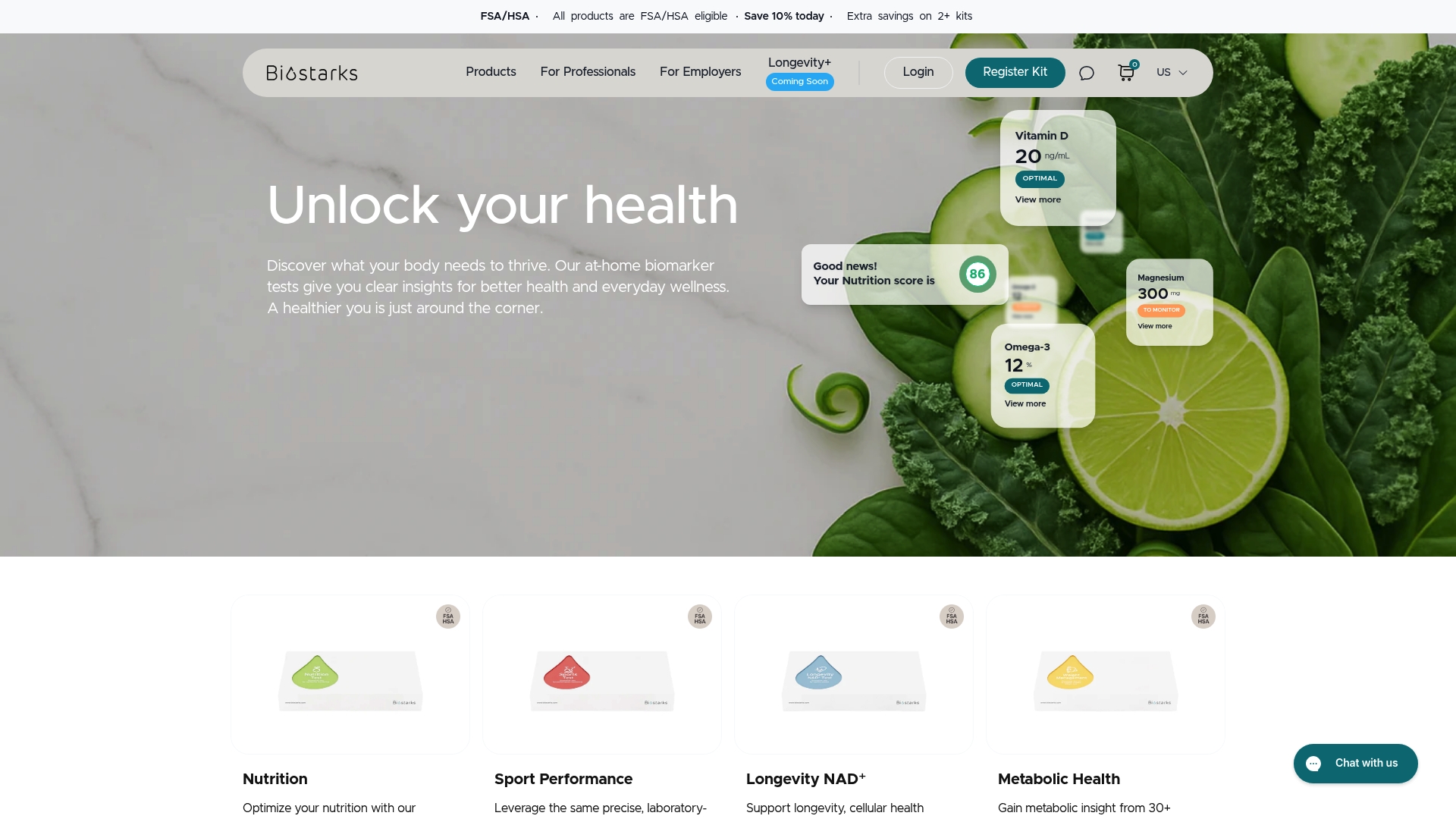
Biostarks provides at-home biomarker testing powered by Swiss mass spectrometry, giving you high-resolution hormonal data you can actually act on. Whether you’re exploring optimization or managing persistent symptoms, Biostarks bridges the gap between advanced diagnostics and daily wellness decisions. From testosterone and estrogen to cortisol, thyroid markers, and metabolic hormones, every result comes with actionable insights tailored to your biology. Ready to stop guessing? Learn more about hormone balance and take the first evidence-based step toward lasting wellness.
Frequently asked questions
Are lifestyle changes always enough for hormone balance?
Lifestyle changes support hormone balance for many people, but persistent symptoms need medical evaluation since underlying conditions like hypothyroidism or premature menopause require direct treatment, not just habit optimization.
What are the earliest signs of hormonal imbalance?
Common early signs include changes in energy, mood, sleep quality, weight, and reproductive health. A healthcare provider can order tests to determine whether a hormonal imbalance or another condition is driving those changes.
Can hormone balance tips help during menopause?
Yes, consistent lifestyle changes including resistance training, dietary adjustments, and sleep hygiene can meaningfully reduce menopause symptoms, though missing or low hormones sometimes make HRT the more appropriate and effective option.
How do I personalize hormone balance strategies?
Start by tracking symptoms for four to six weeks, assess your current life stage, get objective biomarker data, and then build a plan with measurable goals that you revisit and adjust every few months as your physiology evolves.


