

Tracking your metabolic health at home shouldn’t feel like decoding a lab manual. Many health-conscious individuals and athletes struggle to access precise biomarker data or interpret complex results. This guide simplifies at-home metabolic testing by walking you through preparation, sample collection, result interpretation, and common mistakes to avoid for actionable wellness insights.
Table of Contents
- Understanding Metabolic Health And Key Biomarkers
- Prerequisites: What You Need Before Starting Metabolic Health Tracking
- Step-By-Step Guide To At-Home Metabolic Biomarker Testing
- Interpreting Your Metabolic Health Test Results
- Common Mistakes In Metabolic Health Tracking And How To Avoid Them
- Expected Results And Timelines For Metabolic Health Improvements
- Costs, Safety, And Ethical Considerations For At-Home Metabolic Testing
- Optimize Your Metabolic Health With Biostarks
- Frequently Asked Questions
Key takeaways
| Point | Details |
|---|---|
| Core biomarkers | Lipids, glucose, hormones, amino acids, and vitamins reveal metabolic function and performance capacity. |
| Accurate testing | Proper fasting, sterile collection, and prompt shipping prevent skewed results and ensure data reliability. |
| Avoid mistakes | Non-fasting samples, delayed shipping, and misreading single tests undermine accuracy and health decisions. |
| Regular monitoring | Testing every 3-6 months tracks trends and optimizes interventions effectively. |
| Cost and privacy | FDA-approved kits range $100-$400 with strict data security protocols protecting personal health information. |
Understanding metabolic health and key biomarkers
Metabolic health reflects how efficiently your body converts food into energy, balances hormones, and manages nutrients. When optimized, it fuels athletic performance, accelerates recovery, and supports long-term wellness. Poor metabolic health increases risks of insulin resistance, hormone imbalances, and chronic fatigue.
Tracking specific biomarkers provides a window into these processes. Comprehensive panels measuring lipids, glucose, hormones, and micronutrients offer predictive insights into metabolic syndrome risk. Research shows biomarker panels predict metabolic syndrome with over 85% accuracy when combined with clinical context.
Key biomarkers to monitor include:
- Lipid profile: LDL, HDL, and triglycerides indicate cardiovascular health and fat metabolism efficiency.
- Glucose and insulin: Fasting levels and insulin sensitivity markers reveal energy regulation and diabetes risk.
- Hormones: Thyroid (T3, T4, TSH), cortisol, and testosterone govern metabolism, stress response, and recovery.
- Amino acids: Building blocks for muscle repair and neurotransmitter production affecting performance.
- Vitamins and minerals: Vitamin D, B12, magnesium, and iron support energy production and immune function.
Understanding what is metabolic health means recognizing how these markers interact. Elevated triglycerides paired with low HDL signals metabolic dysfunction. Low vitamin D combined with high cortisol suggests stress-induced hormone disruption. Precise measurement enables targeted interventions rather than guesswork.
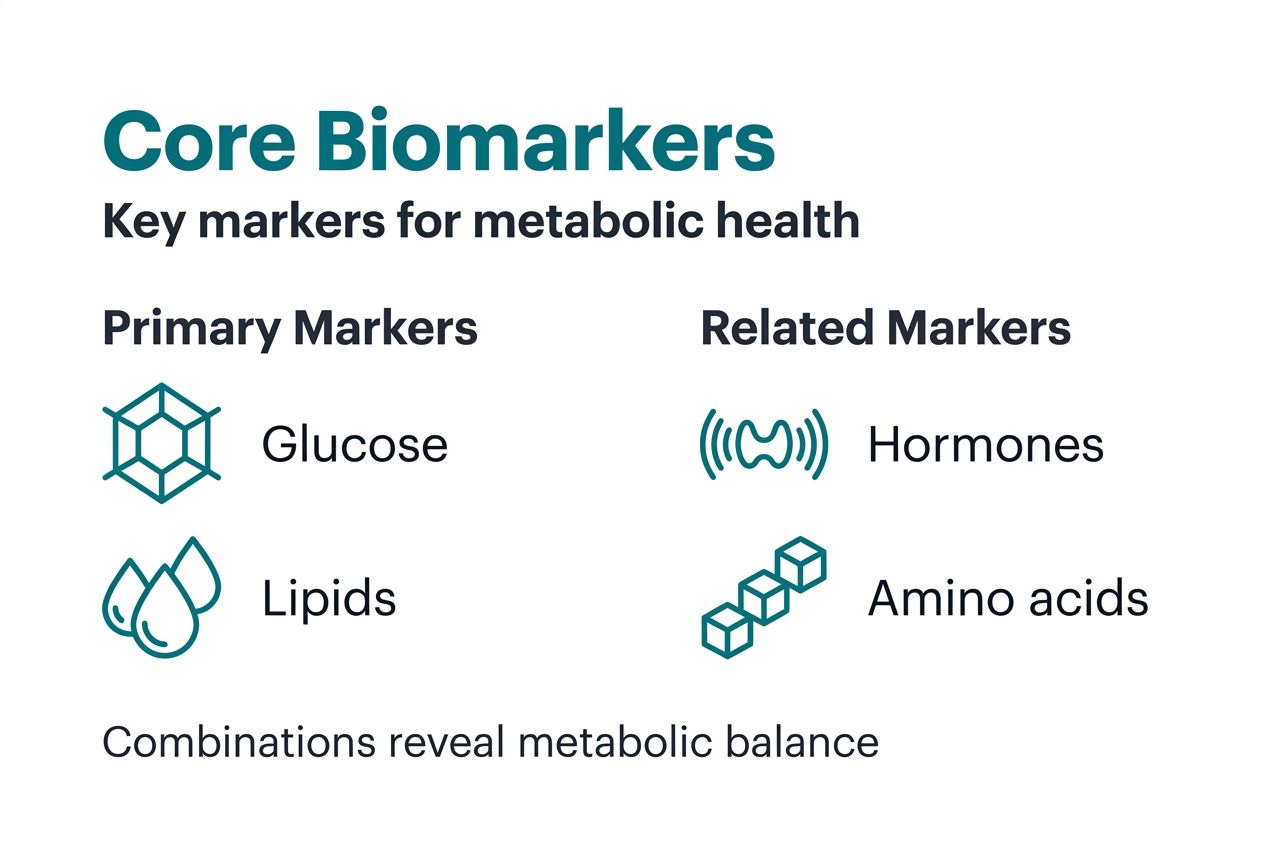
Pro Tip: Focus on marker combinations, not isolated values, for meaningful metabolic insights.
Prerequisites: what you need before starting metabolic health tracking
Successful at-home testing requires preparation and the right tools. Gathering these essentials before starting ensures accurate, reliable results.
You’ll need:
- FDA-approved testing kit: Choose comprehensive metabolic panels from certified providers using advanced mass spectrometry.
- Sample collection tools: Sterile lancets for finger prick blood spots or saliva swabs depending on biomarkers tested.
- Fasting protocol: Plan 8-12 hours without food or drinks (except water) before collection to avoid skewed glucose and lipid readings.
- Medication review: Pause supplements or medications affecting metabolism as instructed by kit guidelines or your healthcare provider.
- Shipping materials: Pre-paid courier envelopes with temperature-controlled packaging to preserve sample integrity during transit.
Understanding at-home health testing basics helps you choose the right approach. Blood spot samples offer comprehensive biomarker coverage but require proper finger prick technique. Saliva samples work well for hormone testing but provide limited lipid or glucose data.
| Sample Type | Biomarkers Covered | Accuracy | Convenience | Typical Cost |
|---|---|---|---|---|
| Blood spot | Lipids, glucose, vitamins, hormones | High (mass spectrometry) | Moderate (finger prick) | $150-$400 |
| Saliva | Cortisol, testosterone, estrogen | Moderate to high | High (simple swab) | $100-$250 |
| Urine | Metabolites, amino acids | Moderate | Very high (no invasive collection) | $120-$300 |
Access to a partnered laboratory using Swiss mass spectrometry or equivalent advanced technology matters. This precision separates actionable data from rough estimates. Cheaper kits using outdated methods often produce unreliable results, wasting time and money.
Pro Tip: Schedule collection on a weekday morning for faster courier pickup and lab processing.
Step-by-step guide to at-home metabolic biomarker testing
Following precise collection protocols ensures your samples yield valid, clinically useful data. Small errors here cascade into unreliable results.

Step 1: Fast properly Avoid all food and drinks except water for 8-12 hours before collection. Schedule early morning testing after overnight fasting. Skip morning coffee, supplements, and medications that affect metabolism unless medically necessary.
Step 2: Prepare sterile workspace Wash hands thoroughly with soap and warm water. Dry completely with a clean towel. Lay out all kit components on a sanitized surface. Review instructions completely before starting.
Step 3: Collect sample correctly For blood spots, warm hands under warm water to increase blood flow. Use the provided lancet on your ring or middle finger side (less painful). Squeeze gently to form a hanging drop, filling collection circles completely without smearing. For saliva, drool naturally into the tube without forcing or contaminating with food particles.
Step 4: Package samples immediately Place dried blood spot cards or sealed saliva tubes into provided biohazard bags. Add desiccant packs to absorb moisture. Seal outer packaging completely following kit instructions.
Step 5: Ship promptly Use the pre-paid courier label same day or next business day. Avoid weekend shipping to prevent samples sitting in transit. Track your shipment to confirm lab receipt.
Common pitfalls include insufficient blood volume (retest required), contaminated samples (invalid results), and delayed shipping (degraded biomarkers). The at-home blood testing guide provides visual aids for proper technique.
Pro Tip: Collect samples in the morning for consistent baseline readings and faster processing times.
Interpreting your metabolic health test results
Receiving your biomarker report marks the beginning of actionable health optimization. Understanding what the numbers mean transforms data into wellness decisions.
Your report lists each biomarker with measurement units, your value, and reference ranges. Flags highlight results outside normal ranges (low, optimal, high). Don’t panic at single flagged values. Context matters.
Key interpretation steps:
- Compare to reference ranges: Understand that optimal differs from normal. Athletes often target tighter ranges for peak performance.
- Consider personal context: Age, sex, activity level, and health history influence ideal biomarker values.
- Look for patterns: Multiple related markers pointing the same direction (e.g., high LDL + low HDL + elevated glucose) signal metabolic dysfunction requiring intervention.
- Use digital tools: Many providers offer dashboards visualizing trends, explaining findings, and suggesting next steps.
- Seek expert guidance: Complex results benefit from professional interpretation considering your unique health profile.
Actionable insights emerge when you connect biomarker data to interventions. Elevated LDL with optimal HDL might need dietary fat adjustments. Low vitamin D explains persistent fatigue and poor recovery. High cortisol paired with disrupted sleep indicates stress management priority.
The role of biomarkers in health extends beyond diagnosis to performance optimization. Regular testing creates baselines and tracks intervention effectiveness.
Trend analysis matters most. Testing every 3-6 months reliably monitors metabolic health changes and validates whether your diet, training, or supplement adjustments work. Single abnormal readings often reflect temporary factors like recent meals, stress, or illness.
Pro Tip: Focus on biomarker trends over time rather than reacting to single test anomalies.
Common mistakes in metabolic health tracking and how to avoid them
Even minor errors during testing or interpretation compromise data reliability. Awareness prevents wasted money and misguided health decisions.
Not fasting properly ranks as the most frequent mistake. Eating within 8 hours before collection artificially elevates glucose and triglycerides. Your results suggest metabolic dysfunction when you’re actually healthy. Always follow fasting instructions exactly.
Improper sample storage or delayed shipping degrades biomarkers before analysis. Blood exposed to heat or moisture produces falsely abnormal readings. Samples sitting over weekends lose integrity. Ship immediately using provided materials and temperature controls.
Misreading transient changes as chronic issues causes unnecessary anxiety. Stress, poor sleep, or recent intense exercise temporarily shift biomarkers. Cortisol spikes after a hard workout don’t indicate adrenal dysfunction. Confirm patterns across multiple tests before acting.
Using uncertified testing kits compromises accuracy and safety. Cheap kits from unknown providers often lack FDA clearance and laboratory certification. Results from unvalidated methods can’t guide health decisions reliably.
Ignoring privacy and data security risks exposing sensitive health information. Review provider policies on data storage, sharing, and deletion before purchasing. Reputable companies maintain strict HIPAA compliance and transparent privacy practices.
The guide on how to assess metabolic health naturally complements biomarker testing with lifestyle observation. Combining quantitative data with qualitative self-assessment provides complete pictures.
Expected results and timelines for metabolic health improvements
Setting realistic expectations prevents frustration and premature intervention changes. Biomarker improvements follow predictable timelines when interventions address root causes.
Test every 3-6 months to capture meaningful metabolic shifts. Testing too frequently misses gradual improvements. Testing too rarely delays course corrections.
Typical improvement timelines:
- Insulin sensitivity: 4-8 weeks with consistent low-glycemic diet and regular exercise.
- Lipid profile: 8-12 weeks following dietary fat adjustments, omega-3 supplementation, or cardiovascular training.
- Hormone balance: 6-12 weeks after stress management, sleep optimization, or targeted supplementation.
- Vitamin deficiencies: 4-8 weeks with appropriate supplementation at therapeutic doses.
- Amino acid balance: 6-10 weeks with protein intake optimization and digestive support.
| Intervention Type | Biomarkers Affected | Expected Timeline | Success Metric |
|---|---|---|---|
| Low-glycemic diet | Glucose, insulin, HbA1c | 4-8 weeks | Fasting glucose <100 mg/dL |
| Cardiovascular exercise | HDL, triglycerides, LDL | 8-12 weeks | HDL >60 mg/dL, TG <150 mg/dL |
| Stress reduction | Cortisol, DHEA | 6-10 weeks | Morning cortisol 10-20 μg/dL |
| Vitamin D supplementation | 25-OH vitamin D | 6-8 weeks | Levels 40-60 ng/mL |
| Protein optimization | Amino acid profile | 6-10 weeks | Balanced essential amino acids |
Key success metrics include reduced insulin resistance markers (HOMA-IR <2.0), improved HDL/LDL ratios (>0.4), balanced cortisol rhythm, and vitamin D levels in optimal range (40-60 ng/mL). Learn to track metabolic health biomarkers systematically for consistent progress monitoring.
Patience matters. Metabolic adaptations take weeks to months. Premature intervention changes prevent accurate assessment of what works. Stick with evidence-based protocols long enough for biomarkers to respond.
Costs, safety, and ethical considerations for at-home metabolic testing
Understanding financial, safety, and privacy factors builds confidence in at-home testing decisions. Transparency separates reputable providers from questionable operations.
Costs for comprehensive metabolic biomarker panels typically range $100-$400 depending on markers included and laboratory technology used. Basic lipid panels cost $100-$150. Comprehensive panels covering hormones, vitamins, amino acids, and metabolic markers run $250-$400. Insurance rarely covers at-home testing, so budget accordingly.
FDA regulations govern at-home testing kits to ensure reliability and user safety. Approved kits meet standards for collection device safety, laboratory certification, and result accuracy. Always verify FDA clearance before purchasing.
Safety protocols protect both you and laboratory personnel:
- Sterile, single-use lancets prevent infection and cross-contamination.
- Biohazard packaging contains potentially infectious blood samples during shipping.
- Clear instructions minimize collection errors and sample handling risks.
- Laboratory personnel follow strict biosafety protocols processing samples.
Data privacy and security demand careful attention. Reputable providers maintain HIPAA-compliant systems encrypting personal health information. Review privacy policies covering data storage duration, sharing practices with third parties, and deletion procedures. Understanding biomarker testing health data policies protects your sensitive information.
Choose FDA-cleared testing kits from certified laboratories with transparent privacy policies. Your metabolic health data deserves the same protection as medical records. Never compromise on provider credentials or data security for lower prices.
Ethical testing prioritizes informed consent, data ownership, and result accessibility. You own your health data. Providers should offer easy export, clear explanations, and direct access without gatekeeping.
Optimize your metabolic health with Biostarks
Ready to transform biomarker insights into peak performance and wellness? Biostarks delivers FDA-approved at-home metabolic testing using advanced Swiss mass spectrometry for laboratory-grade precision. Our comprehensive panels measure lipids, hormones, amino acids, vitamins, and metabolic markers critical for athletes and health-conscious individuals.
Every test includes expert-guided interpretation translating complex data into personalized action plans. We prioritize your privacy with strict consumer health data protections and transparent security practices. Start optimizing your metabolic function today by visiting Biostarks to explore our testing options and take control of your health journey with precision you can trust.
Frequently asked questions
What kinds of biomarkers can I test at home for metabolic health?
At-home kits measure lipids (LDL, HDL, triglycerides), glucose, insulin, hormones (thyroid, cortisol, testosterone), amino acids, vitamins (D, B12), and minerals (magnesium, iron). Comprehensive panels using blood spots provide the widest coverage for complete metabolic assessment.
How long does it take to get results from at-home metabolic tests?
Most providers deliver results within 7-14 business days after the laboratory receives your sample. Shipping takes 1-3 days, lab processing requires 5-10 days, and digital reports arrive via email or online portal once analysis completes.
Is fasting always required before sample collection?
Fasting for 8-12 hours is required for accurate glucose, insulin, and lipid measurements. Hormone tests (cortisol, testosterone) sometimes need specific collection times but not always fasting. Always follow your specific kit instructions for each biomarker tested.
Can I interpret my biomarker results without professional help?
Basic interpretation using reference ranges and educational resources is possible, but professional guidance ensures accurate context considering your health history, medications, and goals. Complex patterns or abnormal results always warrant expert consultation for safe, effective interventions.
How often should I repeat at-home metabolic testing to track progress?
Test every 3-6 months for reliable trend tracking and intervention validation. More frequent testing captures short-term fluctuations rather than meaningful metabolic changes. Less frequent testing delays identifying needed adjustments to diet, training, or supplements.


