

Despite the critical importance of preventative care, only 8% of people get regular screenings, and many avoid testing due to fear of unwanted results. Functional health offers a personalized, proactive alternative that transforms how you understand and optimize your well-being. This guide demystifies functional health principles and shows you practical ways to take control of your health journey through biomarker analysis and evidence-based strategies.
Table of Contents
- Understanding Functional Health: The Basics
- The Power of Biomarkers in Personalized Wellness
- Applying Functional Health: Biohacking Techniques and Precautions
- Preventative Health Screenings and Overcoming Common Barriers
- Explore Personalized Biomarker Solutions with Biostarks
Key takeaways
| Point | Details |
|---|---|
| Personalized assessment | Functional health uses individualized biomarker data to create targeted wellness plans |
| Root cause focus | Unlike conventional medicine, functional health addresses underlying issues rather than symptoms |
| Biomarker insights | Measurable biological indicators reveal your unique health status before symptoms appear |
| Biohacking integration | Evidence-based interventions optimize energy, cognition, and metabolic function safely |
| Preventative empowerment | Proactive testing and monitoring reduce chronic disease risk and enhance healthspan |
Understanding functional health: the basics
Functional medicine emphasizes personalized care, addressing root causes of health issues rather than just treating symptoms. This approach stands in stark contrast to conventional medicine, which typically focuses on managing symptoms with medications or procedures after problems become severe.
Functional health prioritizes understanding why your body isn’t functioning optimally. Instead of prescribing a one-size-fits-all solution, practitioners examine your unique biochemistry, lifestyle, genetics, and environment. This patient-centered model empowers you to become an active participant in your health decisions rather than a passive recipient of care.
Biohacking within functional medicine takes this concept further by using data-driven experiments to optimize your biology. This systematic approach helps you identify which interventions work best for your specific physiology. The benefits extend across multiple dimensions of wellness:
- Enhanced energy levels and reduced afternoon crashes
- Improved mental clarity and cognitive performance
- Greater physical resilience and faster recovery
- Reduced inflammation and chronic disease risk
- Optimized metabolic function and hormonal balance
By tracking objective data through wellness management biomarkers, you can measure progress and adjust interventions based on evidence rather than guesswork. This scientific approach transforms vague health goals into measurable outcomes you can actively pursue and achieve.
The power of biomarkers in personalized wellness
Biomarkers are measurable indicators of biological processes that reflect metabolic health, inflammation, nutrient status, hormonal balance, and cardiovascular risk. These objective measurements provide the foundation for personalized wellness strategies in functional health.

The real power of biomarkers lies in their predictive value. Early shifts appear well before symptoms manifest, giving you a crucial window to intervene proactively. Rather than waiting until you feel sick, biomarker tracking lets you optimize when you’re already feeling relatively good.
Different types of biomarkers serve distinct purposes in your health assessment:
| Biomarker Type | What It Measures | Health Implications |
|---|---|---|
| Blood markers | Glucose, lipids, vitamins, hormones | Metabolic function, nutrient deficiencies, hormonal imbalances |
| Continuous glucose monitors | Real-time blood sugar fluctuations | Insulin sensitivity, dietary impacts, energy stability |
| Wearable devices | Heart rate variability, sleep stages | Stress resilience, recovery capacity, autonomic balance |
| Anthropometric measures | Body composition, waist circumference | Cardiovascular risk, metabolic health, inflammation levels |
| Inflammatory markers | C-reactive protein, cytokines | Chronic disease risk, immune function, tissue damage |
Effective biomarker selection aligns with your personal health goals and risk factors. An athlete optimizing performance focuses on different markers than someone managing autoimmune conditions. Understanding the role of biomarkers in health helps you prioritize which metrics matter most for your situation.
Consistent tracking and proper interpretation transform raw data into actionable insights. You can fine-tune nutrition based on metabolic responses, optimize sleep schedules according to recovery metrics, and adjust training intensity using objective performance indicators.
Applying functional health: biohacking techniques and precautions
Functional medicine biohacking translates biomarker insights into practical interventions that optimize your biology. Research shows that 42% improvement in energy and cognition can occur within 60 days when implementing targeted strategies like sleep optimization, electromagnetic field reduction, and evidence-based supplementation.
These improvements aren’t random or placebo effects. They result from addressing specific biological imbalances revealed through biomarker analysis. Sleep optimization might involve adjusting room temperature, light exposure, and meal timing based on your cortisol patterns. EMF reduction targets environmental stressors that disrupt cellular function. Targeted supplementation corrects documented nutrient deficiencies rather than taking random vitamins.
Starting your biohacking journey safely requires a structured approach:
- Assess your current baseline with comprehensive biomarker testing to identify specific areas needing optimization
- Research evidence-based interventions that address your unique imbalances and align with your lifestyle constraints
- Implement one change at a time so you can isolate which interventions produce measurable improvements
- Monitor your biomarkers regularly to track progress and catch any unintended consequences early
- Adjust your protocol based on objective data rather than subjective feelings or popular trends
- Consult healthcare professionals when making significant changes to supplements, diet, or exercise intensity
Pro Tip: Start with the intervention that addresses your worst biomarker imbalance first. This focused approach typically produces the most noticeable improvements and builds momentum for continued optimization.
Biohacking should involve guidance from healthcare providers to avoid potential harm from blood sugar swings, hormone imbalances, or nutritional deficiencies. What works brilliantly for one person might create problems for another due to genetic differences, existing conditions, or medication interactions.
The biomarker testing benefits extend beyond identifying problems. Regular testing creates accountability, reveals subtle improvements you might miss subjectively, and helps you understand which lifestyle factors impact your biology most significantly. This feedback loop accelerates learning and prevents wasted effort on ineffective strategies.
Proper biomarker interpretation requires understanding reference ranges, individual variation, and context. A marker slightly outside the standard range might be optimal for your genetics, while technically normal values could still indicate room for improvement in your specific case.
Preventative health screenings and overcoming common barriers
Despite overwhelming evidence supporting preventative care, only 8% get regular screenings. This gap represents millions of people missing opportunities to catch health issues early when interventions are most effective and least invasive.
Fear drives much of this avoidance. Research shows 18% avoid tests due to anxiety about receiving bad news. Others cite time constraints, cost concerns, or confusion about which tests they actually need. Functional health reframes screening from a scary medical event into empowering biomarker tracking that gives you control.
Common fears and practical strategies to overcome them:
- Fear of bad results: Reframe testing as gaining information that empowers action rather than receiving a verdict
- Cost concerns: Consider that early detection and prevention cost far less than treating advanced disease
- Time constraints: At-home testing options eliminate travel and waiting room time while providing comprehensive data
- Confusion about what to test: Work with functional health practitioners who customize panels based on your specific risks and goals
- Privacy worries: Choose providers with transparent data protection policies and clear consent procedures
Preventative care isn’t about finding problems. It’s about catching shifts early enough that small adjustments prevent big issues down the road.
Functional health transforms the screening paradigm entirely. Instead of dreading an annual checkup where a doctor might scold you, you’re actively tracking metrics that show real-time feedback on your optimization efforts. This positive framing makes testing feel like checking your progress rather than awaiting judgment.
The biomarkers disease prevention connection becomes clear when you see how early metabolic dysfunction predicts future chronic disease. Catching prediabetic glucose patterns years before diabetes develops gives you time to reverse course. Identifying inflammatory markers before joint pain starts lets you address root causes.
Think of preventative screening like regular pest inspections for your home. You wouldn’t wait until you see termites to check the foundation. Similarly, waiting for symptoms before assessing your health means problems have already progressed significantly.
Personalized biomarker analysis shifts preventative care from a scary obligation into an investment in sustained wellness. You’re not just avoiding disease but actively building resilience, optimizing performance, and extending your healthspan through data-driven decisions.
Explore personalized biomarker solutions with Biostarks
Ready to apply functional health principles to your own wellness journey? Biostarks offers comprehensive at-home biomarker testing that analyzes vitamins, hormones, amino acids, lipids, minerals, and metabolic markers using advanced Swiss mass spectrometry techniques.
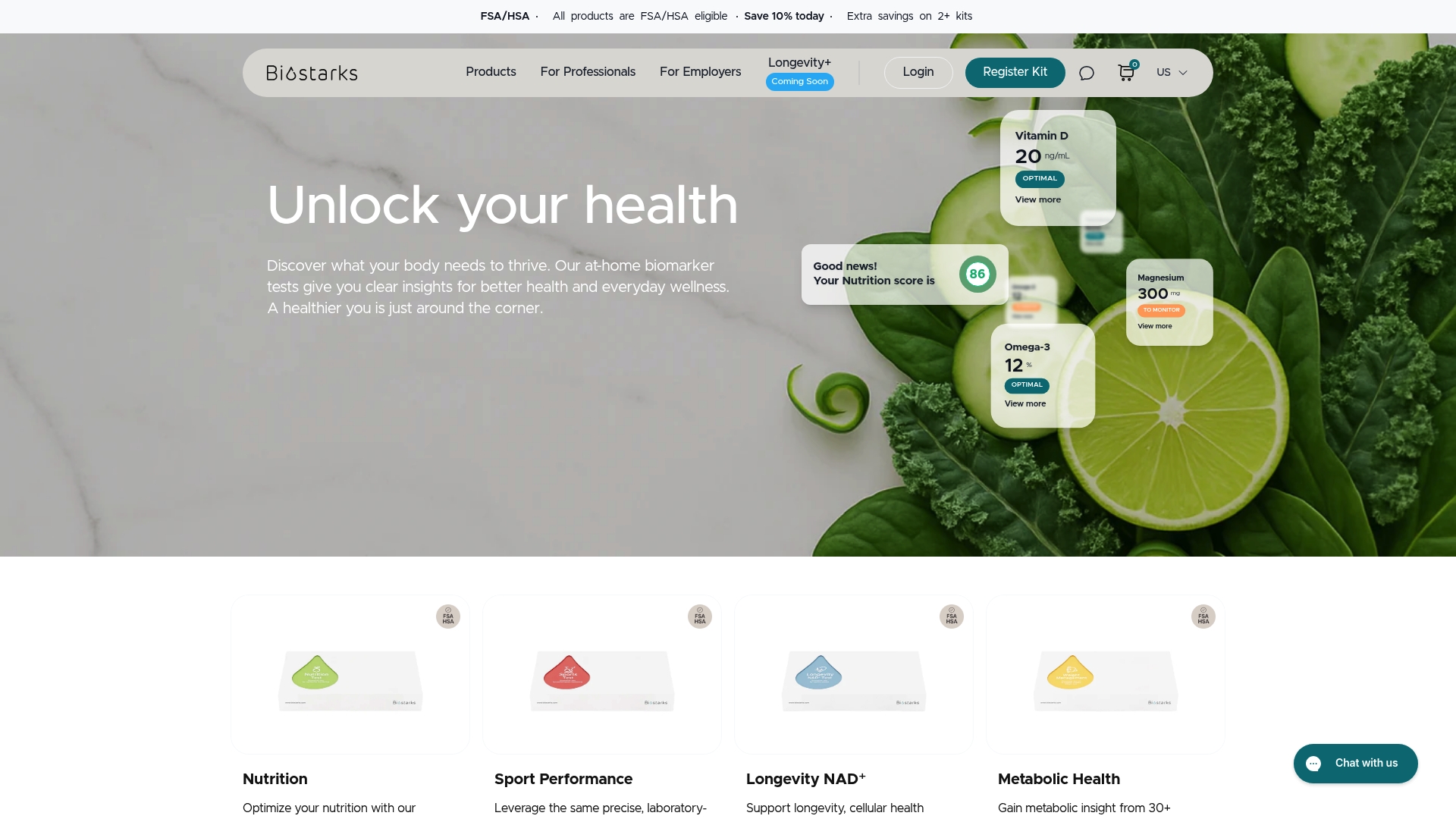
Our personalized testing panels are tailored to your unique health goals, whether you’re optimizing athletic performance, managing chronic conditions, or simply pursuing longevity. You’ll receive detailed reports with actionable insights rather than confusing lab values. We protect your health data privacy with transparent policies and secure handling procedures. Take control of your health optimization with evidence-based biomarker tracking and expert interpretation that transforms data into meaningful wellness improvements.
FAQ
What is functional health?
Functional health is a personalized approach that focuses on identifying and addressing root causes of health issues rather than just managing symptoms. It integrates comprehensive biomarker analysis with lifestyle strategies to optimize overall wellness, prevent chronic disease, and enhance performance. This patient-centered model empowers you to take an active role in your health decisions based on your unique biochemistry and goals.
How do biomarkers improve personalized health plans?
Biomarkers provide objective, measurable data about your body’s functions, nutrient status, hormonal balance, and disease risks. This information allows healthcare providers to create targeted interventions suited to your specific needs rather than generic recommendations. By tracking biomarkers over time, you can measure the effectiveness of lifestyle changes and adjust your approach based on evidence. Learn more about biomarker interpretation for deeper insights into this process.
Is biohacking safe, and how can I start?
Biohacking is safe when you use evidence-based strategies under professional guidance to avoid blood sugar swings, hormone imbalances, or nutrient deficiencies. Start by assessing your current health metrics through comprehensive biomarker testing to identify specific areas for optimization. Implement one intervention at a time while monitoring your biomarkers regularly to track progress and catch any unintended effects early.
Why do people avoid health screenings and how can functional health help?
Fear of receiving bad results prevents many people from getting screened, with 18% explicitly citing this concern as their reason for avoidance. Others struggle with time constraints, cost worries, or confusion about which tests they need. Functional health reframes screening as empowering biomarker tracking that provides actionable insights for optimization rather than a scary medical judgment. At-home testing options eliminate many practical barriers while delivering comprehensive, personalized data you can actually use to improve your wellness.


