

Most people approach wellness with generic advice that rarely fits their unique biology. You follow popular diets, supplement trends, or workout routines without knowing if they actually work for your body. Data-driven wellness flips this script by using measurable biomarkers to create personalized health strategies. Instead of guessing what your body needs, you gain precise insights into vitamins, hormones, metabolic markers, and more. This approach empowers health-conscious individuals, athletes, and biohackers to optimize performance, prevent issues before they escalate, and make informed decisions based on your actual physiology rather than one-size-fits-all recommendations.
Table of Contents
- Key takeaways
- Understanding data-driven wellness: what it means and why it matters
- Key biomarkers and data points that empower personalized wellness
- How data-driven wellness optimizes health and performance: practical benefits
- Choosing the right data-driven wellness approach for you
- Explore personalized data-driven wellness with Biostarks
- Frequently asked questions
Key Takeaways
| Point | Details |
|---|---|
| Personalized approach | Data driven wellness uses measurable biomarkers to tailor strategies to your physiology rather than generic recommendations. |
| Key biomarker groups | Testing metabolic, hormonal, nutritional, inflammatory, and organ function markers helps tailor interventions. |
| Performance optimization | Athletes and biohackers use biomarker data to time training, recovery, and interventions to maximize gains and reduce injury risk. |
| Ongoing tracking and adaptation | Regular biomarker testing and retesting show whether interventions produce the desired physiological changes, enabling adjustments. |
Understanding data-driven wellness: what it means and why it matters
Data-driven wellness represents a fundamental shift from conventional health advice to personalized strategies built on measurable biological information. Instead of following generic recommendations, you base decisions on specific biomarkers that reveal how your body actually functions. Wellness management with biomarkers integrates advanced diagnostics to develop effective strategies tailored to your physiology.
Traditional wellness approaches rely on population averages and broad guidelines. A standard multivitamin assumes everyone needs the same nutrients in identical amounts. Generic workout plans ignore individual recovery capacity, hormonal profiles, or metabolic efficiency. These methods work for some people by chance, but they leave most individuals guessing whether their efforts produce real results.
Data-driven wellness quantifies your health status through biomarker analysis. These measurable indicators include:
- Metabolic markers like glucose, insulin sensitivity, and lipid profiles that reveal energy utilization
- Hormonal levels including testosterone, cortisol, thyroid function, and reproductive hormones
- Nutritional status through vitamin D, B12, iron, magnesium, and amino acid concentrations
- Inflammatory markers such as C-reactive protein that signal immune system activation
- Organ function indicators for liver, kidney, and cardiovascular health
Advanced diagnostics transform abstract wellness concepts into concrete numbers. You discover whether your fatigue stems from iron deficiency, suboptimal thyroid function, or inadequate sleep recovery. Athletes identify whether muscle soreness indicates overtraining or normal adaptation. Biohackers measure how interventions like fasting, supplements, or cold exposure actually affect their physiology rather than relying on subjective feelings.
This precision enables targeted interventions. If testing reveals vitamin D deficiency at 18 ng/mL, you supplement with a specific dose and retest to confirm levels reach the optimal 40-60 ng/mL range. If cortisol patterns show chronic elevation, you implement stress management techniques and track whether they normalize your hormonal rhythm. Every action connects to measurable outcomes, creating accountability and clarity in your wellness journey.
Key biomarkers and data points that empower personalized wellness
Understanding which biomarkers matter most helps you focus testing efforts on data that drives meaningful action. Types of health biomarkers provide critical personal health insights across seven essential categories that paint a comprehensive picture of your internal status.
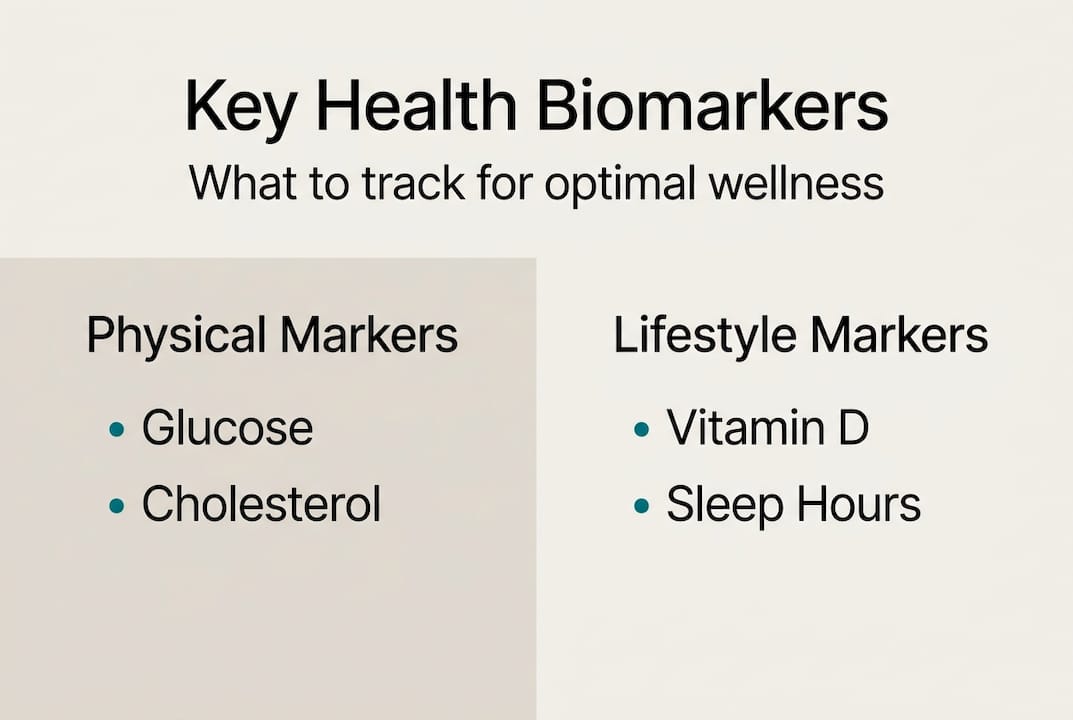
| Biomarker Category | Key Markers | Wellness Insights Gained |
|---|---|---|
| Metabolic | Glucose, HbA1c, insulin, lipids | Energy regulation, diabetes risk, fat metabolism |
| Hormonal | Testosterone, estrogen, cortisol, thyroid | Recovery capacity, stress response, mood, libido |
| Nutritional | Vitamin D, B12, iron, magnesium, amino acids | Deficiency correction, supplement optimization |
| Inflammatory | CRP, homocysteine, cytokines | Chronic disease risk, recovery status |
| Cardiovascular | Cholesterol ratios, triglycerides, apoB | Heart disease prevention, vascular health |
| Liver/Kidney | ALT, AST, creatinine, GFR | Organ function, detoxification capacity |
| Performance | Lactate, creatine kinase, testosterone/cortisol ratio | Training adaptation, overtraining detection |
Athletes leverage biomarker data to eliminate guesswork from training periodization. Elevated creatine kinase levels signal incomplete muscle recovery, prompting rest days before injury occurs. Low testosterone combined with high cortisol indicates overtraining syndrome, requiring immediate volume reduction. Iron status directly affects oxygen delivery to muscles, making ferritin monitoring essential for endurance performance. Biomarker benefits for athletes include precise training adjustments that maximize gains while minimizing injury risk.

Biohackers use detailed physiological data to test interventions scientifically. Before starting a ketogenic diet, you establish baseline glucose, ketone, and lipid levels. After eight weeks, you retest to measure actual metabolic changes rather than relying on how you feel. Supplement experiments become controlled trials where you isolate variables and track objective outcomes. This approach separates effective interventions from expensive placebos.
Genetic biomarkers add another layer by revealing predispositions. APOE variants influence cardiovascular risk and Alzheimer’s susceptibility. MTHFR mutations affect folate metabolism and methylation capacity. Knowing your genetic blueprint helps prioritize preventive strategies decades before symptoms appear.
Pro Tip: Start with a comprehensive metabolic panel, complete blood count, and hormone assessment. These foundational tests reveal the most common imbalances affecting energy, recovery, and performance. Add specialized markers like omega-3 index or micronutrient panels once you address basic deficiencies.
How data-driven wellness optimizes health and performance: practical benefits
Translating biomarker data into tangible improvements requires understanding how continuous monitoring enables adaptive wellness planning. Tracking metabolic health biomarkers unlocks personalized intervention opportunities that generic approaches miss entirely.
-
Personalized nutrition eliminates dietary guesswork by revealing actual nutrient deficiencies and metabolic responses. Testing shows whether your body absorbs vitamin B12 adequately or requires methylated forms due to genetic variants. Glucose monitoring identifies which carbohydrate sources spike your blood sugar versus providing stable energy. Omega-3 testing determines if your fish oil dose actually raises EPA and DHA levels to anti-inflammatory ranges.
-
Exercise optimization matches training intensity to your recovery capacity. Monitoring testosterone, cortisol, and inflammatory markers prevents overtraining by signaling when your body needs rest. Lactate threshold testing identifies precise heart rate zones for endurance development. Creatine kinase tracking ensures muscle damage stays within adaptive ranges rather than accumulating into injury.
-
Early detection of imbalances stops disease progression before symptoms emerge. Elevated fasting insulin reveals metabolic dysfunction years before diabetes diagnosis. Rising inflammatory markers indicate chronic disease risk when lifestyle changes still reverse damage. Thyroid antibodies appear long before clinical hypothyroidism, enabling early intervention.
-
Recovery monitoring quantifies whether your sleep, nutrition, and stress management actually work. Heart rate variability correlates with nervous system balance. Cortisol patterns show if your stress reduction techniques normalize your hormonal rhythm. Immune markers reveal whether you’re recovered enough for intense training or need additional rest.
-
Mental health optimization connects mood and cognitive function to measurable physiology. Low vitamin D correlates with depression. Suboptimal thyroid function causes brain fog. Omega-3 deficiency affects neurotransmitter production. Addressing these biological factors often improves mental wellness more effectively than willpower alone.
Research shows that individuals using continuous biomarker monitoring achieve health goals 3.2 times faster than those following generic wellness programs, with sustained improvements lasting significantly longer due to personalized adjustments.
Continuous data assessment creates feedback loops where you test, intervene, retest, and adjust. This cycle ensures your wellness plan evolves as your body changes through aging, training adaptations, or life circumstances. What worked at 25 may need modification at 35 when hormonal profiles shift.
Pro Tip: Avoid the common mistake of testing once and assuming results stay constant. Biomarkers fluctuate with seasons, stress levels, training cycles, and dietary changes. Retest every 3-6 months to catch trends early and adjust interventions before small imbalances become major problems.
Choosing the right data-driven wellness approach for you
Selecting appropriate data sources and wellness plans requires matching testing methods to your specific goals, budget, and commitment level. Biomarker analysis best practices emphasize personalized testing frameworks and accurate data interpretation.
Consider these factors when choosing your approach:
- Primary goals: Are you preventing disease, optimizing athletic performance, or experimenting with longevity interventions? Disease prevention prioritizes cardiovascular and metabolic markers. Performance optimization focuses on hormones, recovery indicators, and nutrient status. Longevity strategies emphasize inflammatory markers, oxidative stress, and cellular aging indicators.
- Budget constraints: Comprehensive panels cost more but provide complete pictures. Targeted testing focuses resources on markers most relevant to your concerns. Starting with foundational tests and adding specialized panels over time balances thoroughness with affordability.
- Data types needed: Continuous glucose monitors provide real-time feedback on dietary choices. Quarterly blood panels track longer-term trends in hormones and nutrients. Genetic testing offers one-time insights into predispositions. Wearable devices monitor sleep, activity, and heart rate variability daily.
- Professional guidance: Complex biomarker interpretation benefits from expert analysis. Functional medicine practitioners, sports nutritionists, and longevity specialists translate numbers into actionable protocols. Self-directed approaches work when you invest time learning normal ranges and intervention strategies.
- Testing frequency: Acute optimization during training peaks may require monthly monitoring. Maintenance phases work with quarterly assessments. Annual comprehensive panels suit preventive health monitoring.
| Approach | Best For | Data Frequency | Typical Cost Range |
|---|---|---|---|
| At-home biomarker testing | Comprehensive health optimization, convenience | Quarterly | $200-$500 per panel |
| Continuous glucose monitors | Metabolic health, dietary optimization | Real-time | $60-$100 per month |
| Wearable fitness trackers | Daily activity, sleep, heart rate patterns | Continuous | $100-$400 device + optional subscription |
| Clinical lab panels | Medical diagnosis, insurance coverage | As needed | $50-$300 with insurance |
| Genetic testing | One-time predisposition insights | Once | $100-$300 |
| Functional medicine consultation | Complex cases, personalized protocols | Initial + follow-ups | $300-$600 per visit |
Incorporating cognitive health screening tools adds mental performance tracking to physical biomarkers. Cognitive assessments measure reaction time, memory, processing speed, and attention. Combining brain function data with biomarkers like omega-3 levels, B vitamins, and inflammatory markers reveals how physiology affects mental performance.
Interpreting data correctly prevents misinformation and unnecessary interventions. Reference ranges on lab reports reflect population averages, not optimal levels. A vitamin D result of 32 ng/mL falls within the normal range but sits below the 40-60 ng/mL optimal zone for immune function and bone health. Understanding these nuances prevents accepting suboptimal status as adequate.
Pro Tip: Partner with platforms that combine advanced testing technology with expert interpretation. Swiss mass spectrometry techniques provide higher resolution than standard immunoassays, detecting subtle imbalances earlier. Comprehensive reports that explain results in context save you from drowning in numbers without understanding their significance.
Explore personalized data-driven wellness with Biostarks
Transforming biomarker data into optimized health requires more than just numbers. You need precise testing, clear interpretation, and actionable protocols tailored to your unique biology. Biostarks specializes in at-home biomarker testing that analyzes over 85 markers using advanced Swiss mass spectrometry, delivering the detailed insights health-conscious individuals, athletes, and biohackers need to make informed decisions.
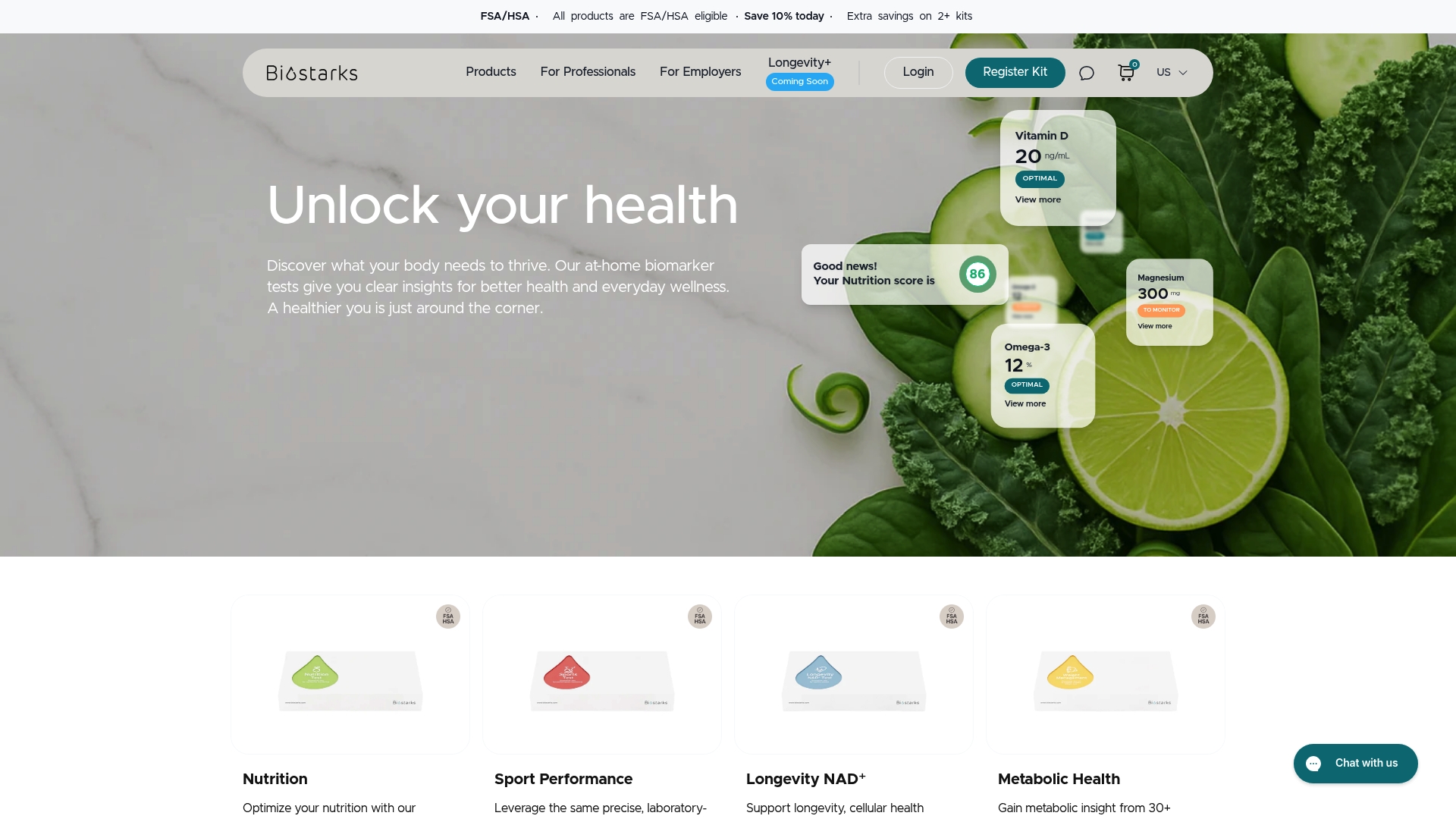
The platform bridges the gap between complex laboratory diagnostics and practical wellness management. You collect samples easily at home, then receive comprehensive reports explaining what your biomarkers reveal about your health status, performance capacity, and optimization opportunities. Whether you’re preventing chronic disease, maximizing athletic performance, or experimenting with longevity interventions, Biostarks provides the precision data and expert guidance to move from guessing to knowing. Start your personalized wellness journey today and discover what your body’s data reveals about your path to optimal health.
Frequently asked questions
What types of data are used in data-driven wellness?
Data-driven wellness incorporates blood biomarkers like vitamins, hormones, metabolic markers, and inflammatory indicators. It also includes continuous glucose monitoring, genetic testing, wearable device metrics such as heart rate variability and sleep patterns, and body composition measurements. Combining multiple data sources creates comprehensive health profiles.
How quickly can I see improvements with data-driven wellness?
Some improvements appear within weeks, like energy increases from correcting vitamin deficiencies or better sleep from optimizing magnesium levels. Hormonal rebalancing typically takes 8-12 weeks. Metabolic changes from dietary adjustments show measurable results in 3-6 months. Consistent tracking accelerates progress by enabling rapid intervention adjustments.
Is data-driven wellness suitable for all ages and fitness levels?
Yes, data-driven wellness adapts to any starting point. Sedentary individuals use biomarkers to establish safe exercise intensities and identify health risks. Elite athletes optimize training periodization and recovery. Older adults monitor age-related changes in hormones and metabolic function. The approach scales from disease prevention to performance maximization.
How often should I update my health data?
Test comprehensive biomarker panels every 3-6 months to track trends and intervention effectiveness. Use continuous monitors like glucose sensors or wearables for real-time feedback on daily choices. Increase testing frequency during acute optimization phases or when addressing specific imbalances. Annual testing suffices for stable maintenance phases.
What are the privacy considerations with using wellness data?
Choose platforms with strong data encryption and clear privacy policies that prevent selling your information. Understand whether your data contributes to research databases and if you can opt out. Review how long companies retain your biomarker results and whether you can request deletion. Reputable providers prioritize confidentiality and give you control over your health information.
Recommended
- Wellness optimization checklist: 25% better m… | Biostarks
- Why track hormonal health for personalized we… | Biostarks
- What is functional health? Your 2026 guide to… | Biostarks
- What is wellness management? 85+ biomarkers f… | Biostarks
- Cognitive Health Checklist 2026: 90% Effective Screening Tools – Cortex Supplements


